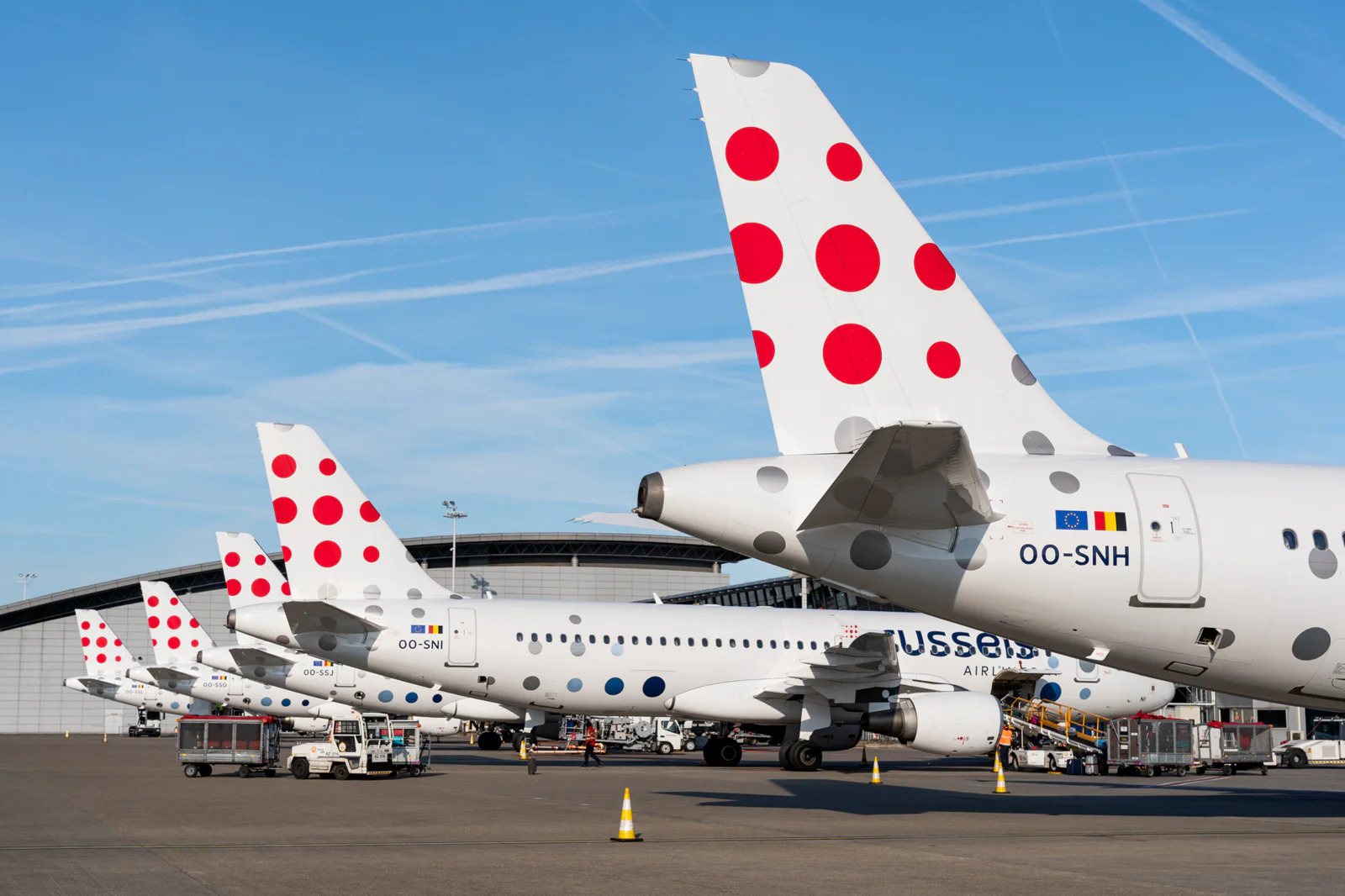


Brussels Airlines has succeeded in cutting noise pollution from its aircraft by 50% in the 12 years since 2014, according to a press release from the carrier. The airline has credited the introduction of Airbus A320neo planes for having “significantly contributed to this achievement.”
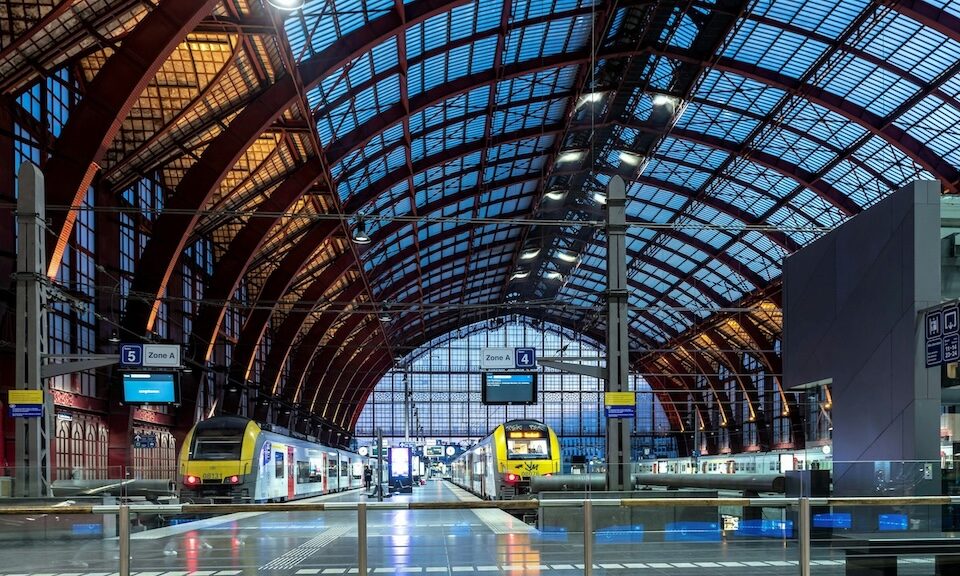
The Belgian flag carrier welcomed a new A320neo on 2 July 2026, taking the refresh of its medium-haul stable, started in 2023, to a total of eight neos. Another five neos are in the pipeline. Overall, when those deliveries have been made, the Lufthansa Group member will boast a diverse fleet of 46 aircraft.
In addition to the significant contribution made by the A320neos to reducing noise in the skies over the Belgian capital, the A320neo is more fuel efficient, consuming only around 80% of the fuel of its predecessor and helping to lower CO2 emissions.
During an event attended by Flemish minister-president Matthias Diependaele, Flemish minister of Environment Jo Brouns, and Brussels Airport CEO Arnaud Feist, the airline’s CEO Dorothea von Boxberg said Brussels Airlines had managed to reduce aircraft noise pollution by half compared to 2014.
Noise pollution has been an ongoing issue at the airport, which is surrounded by districts brandishing a list of grievances about noise, night flights, and sleep disturbances emanating from the hub. Thousands of rule breaches have caused millions in federal fines as local authorities have clashed with national lawmakers over the problem. Airlines, too, owe the airport millions in unpaid penalties for noisy flights.
As well as highlighting the recent improvement in noise pollution, stakeholders at Thursday’s meeting went on to discuss the so-called “balanced approach” procedure that now forms part of Brussels Airport’s environmental licensing agreement. The hub’s permit was rescinded in 2025 because it imposed restrictions on flights and nighttime operations without having followed the European Union’s mandatory “balanced approach”.
The balanced approach is intended to ensure that four pillars (quieter aircraft, better land-use planning, modified flight paths, and lastly, operational restrictions) are taken into account when issuing permits. It aims to find a workable compromise that supports the airport’s economic growth and daytime flight capacity while minimising disturbance and environmental impacts on neighbouring communities.
Both the Flemish and Belgian federal governments have officially launched “balanced approach” procedures. The Flemish Minister for the Environment has until 30 June 2029 to carry out the necessary assessments in line with EU regulations and issue a new environmental permit.