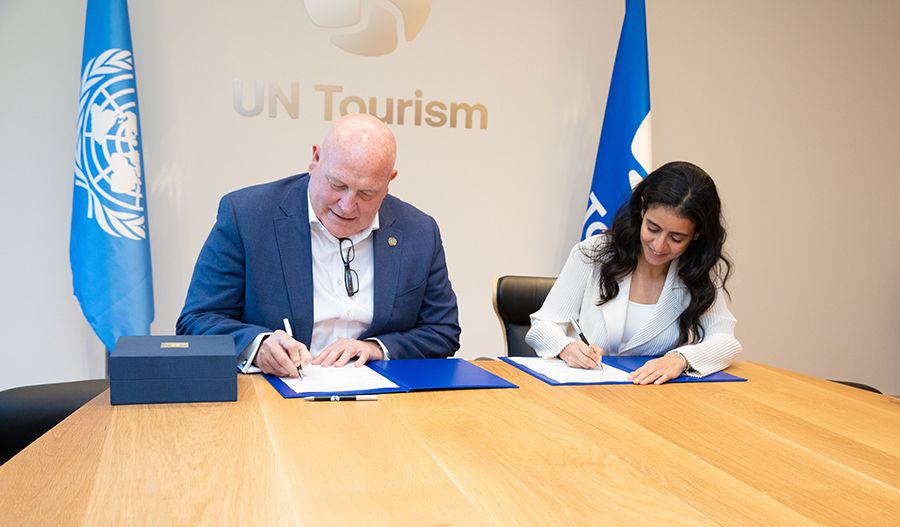


In their joint ‘Global Report on Women in Tourism Transport’, UN Tourism and the International Transport Workers’ Federation (ITF) provide a comprehensive overview of women’s participation in tourism transport employment. In what is to be considered a global first, the call for action analyses the legal, cultural, and structural elements that make the industry male-dominated.
The ‘Global Report on Women in Tourism Transport’ is the first analysis of its kind, providing sex-disaggregated data across air, land, and water passenger transport. It highlights women’s roles, challenges, and opportunities across the sector, while putting forward recommendations to support more inclusive, fair, and equitable employment in tourism transport.
The report starts with some key findings, which prove to be characteristic of the role of women in the tourism transport industry.
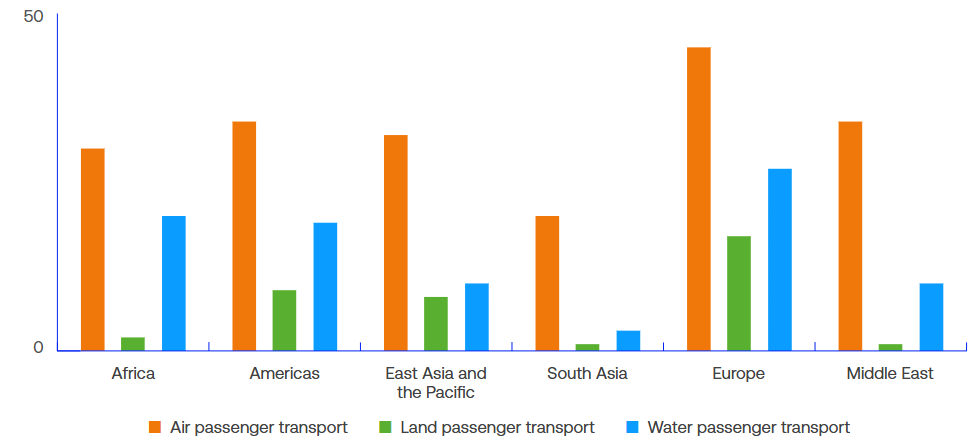
- 36% of people working in air passenger transport are women, while women make up just 6% of pilots in countries and territories with available data. While ‘air’ has the largest proportion of women working among the different passenger transport industries, ‘air’ accounts for only 2% of tourism transport employment in countries and territories with available data.
- 12% of people working in water passenger transport are women in countries and territories with available data. Water transport accounts for only 2% of tourism transport employment in countries and territories with available data.
- 3% of people working in land passenger transport are women in countries and territories with available data. This is by far the lowest proportion of women working among the different passenger transport industries, but ‘land’ accounts for 96% of tourism transport employment in countries and territories with available data.
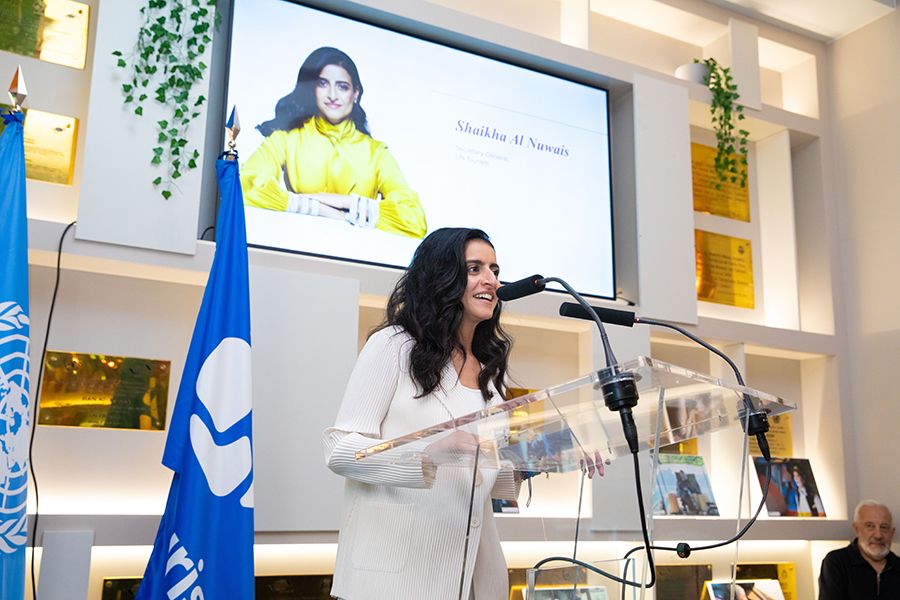
“Tourism is meant to connect people and open doors. Yet in every part of tourism transport, too many doors remain closed to women. This report gives us the data to act with precision, not good intentions alone. Our responsibility now is to ensure that the women who keep this industry moving are also able to help lead it,” said UN Tourism Secretary-General Shaikha Al Nuwais.
Overall, women are underrepresented in both senior and board positions in tourism transport across all industries. Some of the biggest challenges faced by women in the sector include harassment, gender-based violence, and a lack of safe access to decent sanitation facilities.
The ‘Global Report on Women in Tourism Transport’ is not just meant as an analysis of the current reality but also as a means to provide recommendations to make the sector more open to female involvement. It does so via five thematic areas with associated goals.
- Gender-responsive laws, corporate policies and social protection. Gender-responsive laws, gendered corporate policies and social protection measures create institutional mechanisms for the advancement of gender equality, decent work and women’s empowerment in tourism transport employment.
- Health, safety and working environments. Having safe and healthy working environments helps to attract and retain female talent in tourism transport by ensuring that women’s needs are met, that women feel safe and supported at work, that they are free of fear and harassment and have access to sanitary facilities and effective support services.
- Education, training, career progression and leadership: Education, training and awareness-raising help to attract future talent, support women’s career development and enable access to leadership positions in tourism transport.
- Measuring, monitoring and reporting. Measuring, monitoring and reporting data on tourism transport are critically important to track performance, ensure compliance, manage risks and facilitate research that informs decision-making for improving gender equality, decent work and women’s empowerment.
- Collaboration and partnerships. Strong collaborations and partnerships enable the creation of inclusive, safe and sustainable work environments for women by fostering systemic change, enhancing resource efficiency and accelerating progress toward gender equality, decent work and women’s empowerment in tourism transport.
“Launching this report is not the end of the story, it is the beginning. ITF and UN Tourism have made a joint commitment to work with governments, employers, unions and industry partners to tackle the inequalities that persist across tourism transport. Our focus now is turning evidence into action,” stated ITF General Secretary Stephen Cotton.
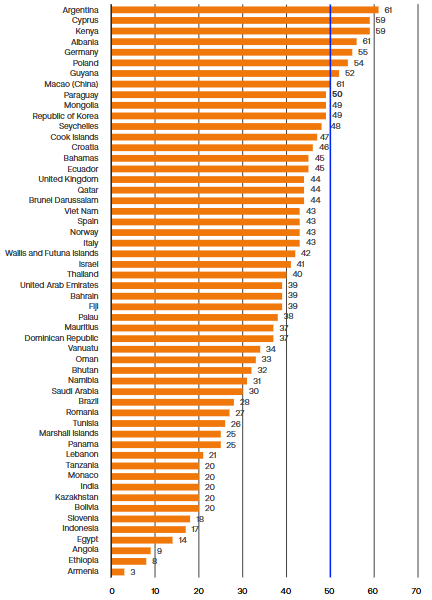
By providing a clear overview of the current underrepresentation of women in the tourism transport industry, by encouraging data collection, by showcasing examples of good practice, and by giving detailed recommendations, UN Tourism and the International Transport Workers’ Federation aim to reduce the gender gap in the industry.