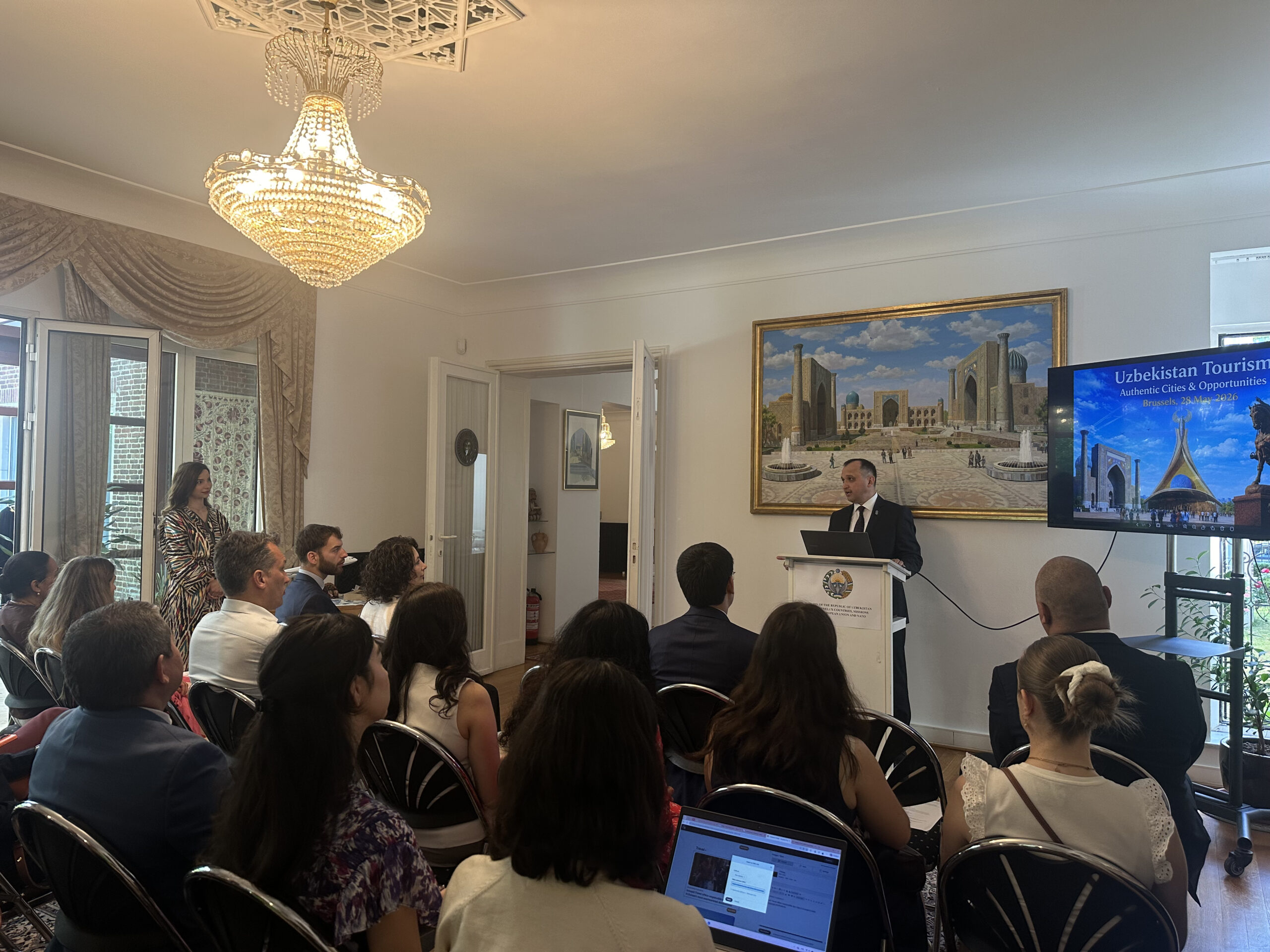



Uzbekistan has stepped up its efforts to attract travellers from Belgium, the Netherlands and Luxembourg, positioning itself as an emerging long-haul destination for the Benelux market during a tourism-focused event hosted at the Embassy of Uzbekistan in Brussels.
Uzbekistan has unveiled an ambitious tourism roadmap to 2030, setting out a long-term strategy aimed at positioning the country as a major global destination. The plan targets 20 million international visitors annually by the end of the decade, alongside a rise in tourism’s contribution to GDP from 3.5% to 7%. Authorities aim to generate more than USD 6 billion in annual tourism exports, while significantly expanding accommodation capacity, including a doubling of four- and five-star hotels and a total hotel stock reaching around 95,000 rooms. Improving internal mobility is also a key priority, with faster transport links planned between major cities to support both international arrivals and domestic travel flows.
The strategy is already being supported by large-scale investments and infrastructure development. Uzbekistan is currently implementing 34 tourism master plans and constructing 31 new travel facilities, backed by approximately 950 billion soums allocated this year for sector development. Upgrades to roads and public infrastructure are underway, alongside broader expansion of hospitality services. Early indicators suggest strong momentum, with about 4 million foreign visitors recorded in the first four months of 2026 — up 30% compared to the same period last year— while tourism exports have already reached approximately USD 1.6 billion.
Alongside infrastructure growth, Uzbekistan is broadening its tourism offering across multiple segments, including ecotourism, gastronomy, ethnographic and pilgrimage tourism, as well as medical, sports and MICE travel. The diversification strategy is designed to reduce seasonality and attract a wider range of international visitors throughout the year, reinforcing the country’s positioning as a fast-growing destination at the crossroads of the historic Silk Road.
Ambassador Gayrat Fazilov stressed that Uzbekistan is now recognised as a safe and welcoming destination and is actively simplifying travel procedures while expanding visa-free access for many countries, including European states.
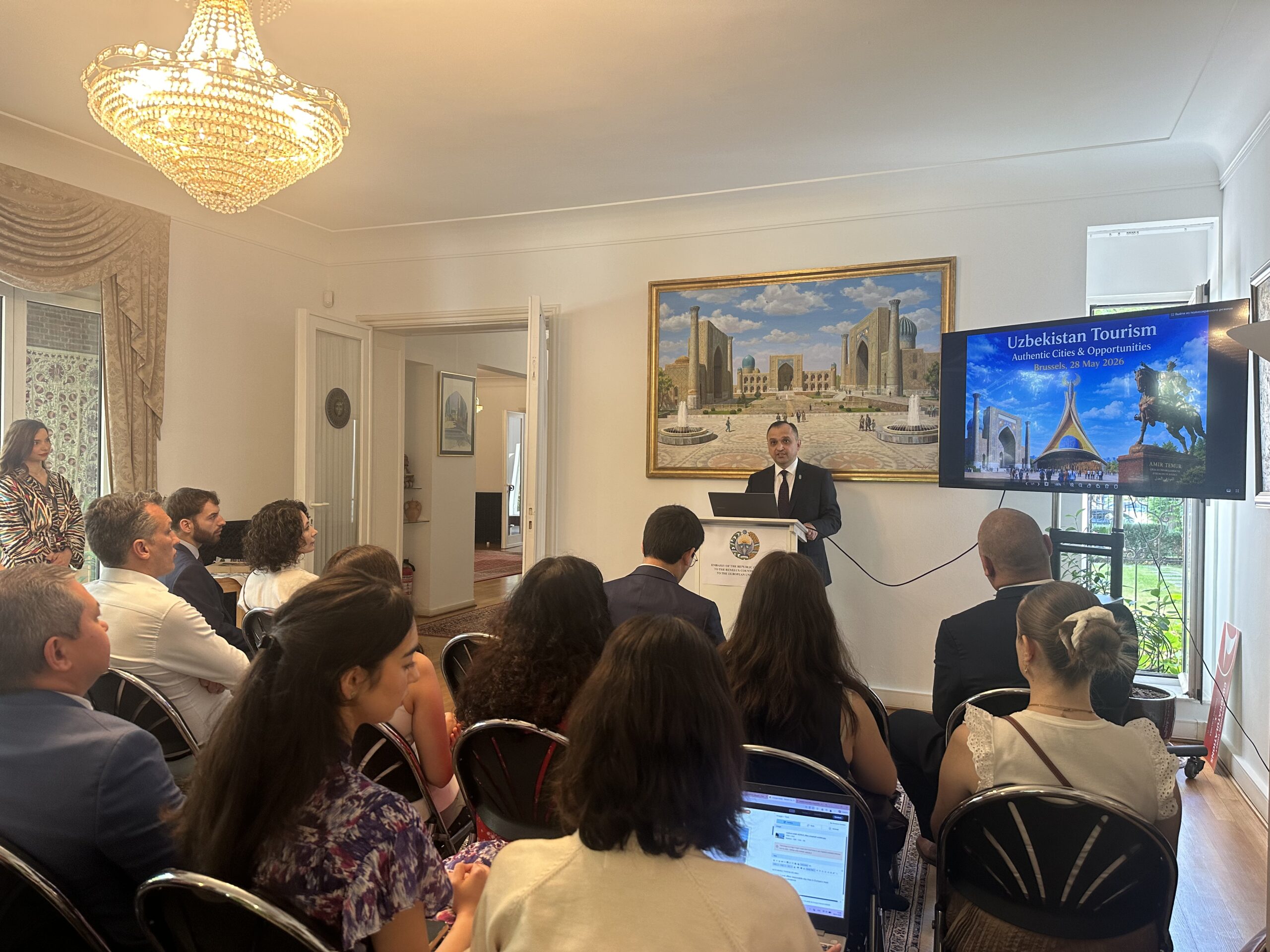
“Located at the crossroads of the ancient Great Silk Road, Uzbekistan has for centuries served as a bridge between civilizations, cultures and trade routes. Today, this historical legacy is being transformed into a modern and highly attractive tourism destination,” Fazilov underlined.
Fazilov also outlined Uzbekistan’s long-term ambitions, including reaching 20 million annual international visitors by 2030, alongside major investments in infrastructure, hotels, and transport connectivity. He emphasised that cooperation with European partners, including the Benelux region, is expected to play an increasingly important role in tourism development, investment, and cultural exchange.
The event featured remarks from Ms Amina Kokten, representing Turkish Airlines, who highlighted the carrier’s long-standing presence in Belgium and its extensive global network. She noted that Turkish Airlines operates multiple daily flights between Brussels and Istanbul, with increased frequency during the summer season, offering onward connections to a wide international network. She also pointed to the airline’s fleet of more than 500 aircraft and annual passenger volume exceeding 90 million, underscoring its capacity to support strong connectivity to Central Asia, including Uzbekistan.
Turkish Airlines reaffirms its position as a key global connector between Europe and Central Asia, operating since 1933 as a Star Alliance member. The airline’s network spans more than 350 airports across 120 countries, and it holds a Guinness World Record for flying to the most countries based on verified annual route operations.
Turkish Airlines also continues to invest in its passenger experience, including the rollout of its Crystal Business Class with full-flat seats, enhanced entertainment, free Wi-Fi, live television, and upgraded onboard dining concepts such as “flying chef” service. The carrier has also been recognised internationally, winning “Best Airline in Europe” for the tenth time at the 2025 Skytrax World Airline Awards.
Its Istanbul hub at Grand Airport remains a central transit point, offering more than 500 check-in points, premium lounges, and additional services, including pet-friendly facilities. The airline’s “Tour Istanbul” programme allows eligible passengers with layovers from 6 to 24 hours to take free guided city tours, with hotel accommodation options available for extended transit times.
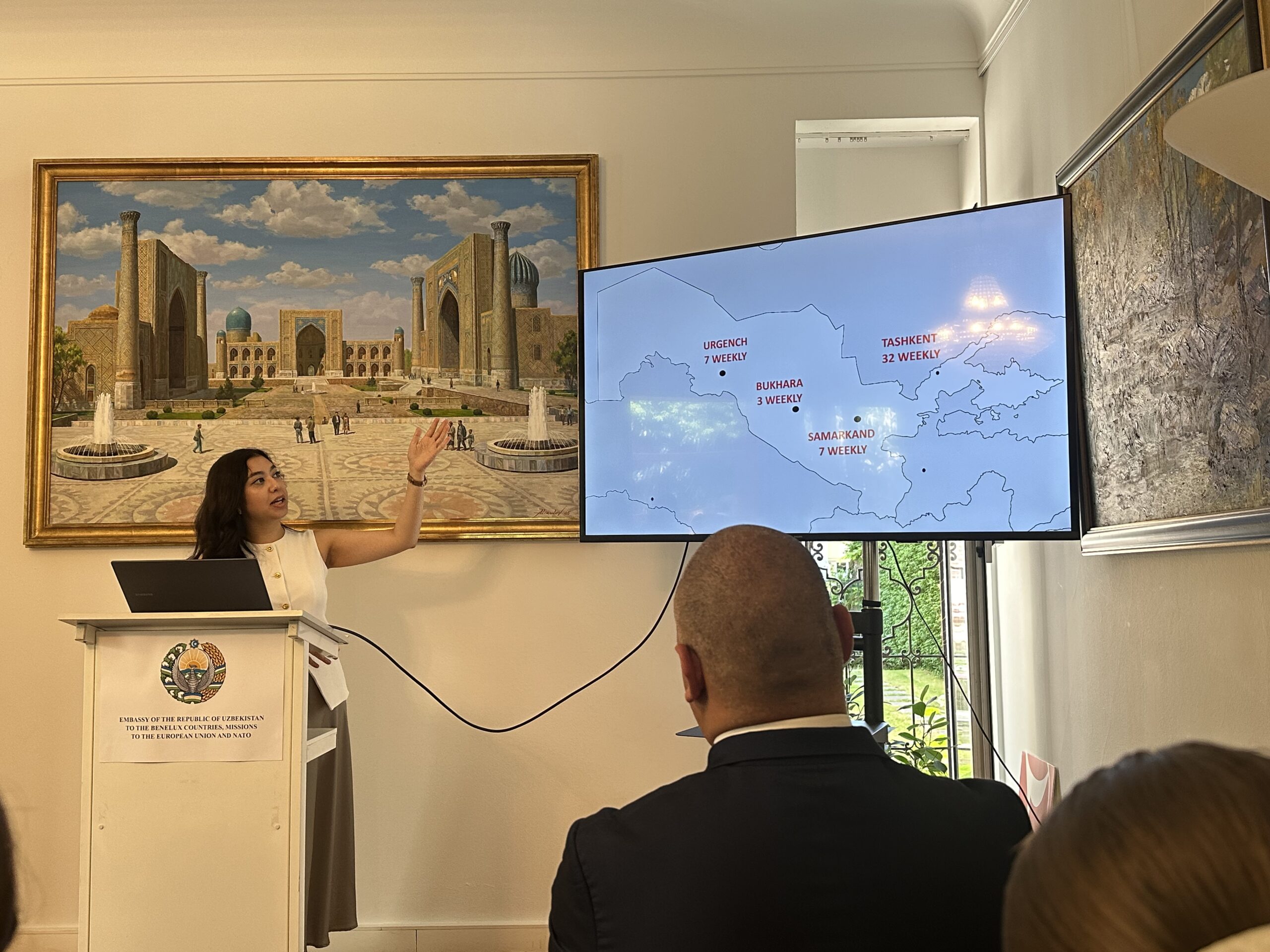
Connectivity to Uzbekistan remains strong, with frequent services to Tashkent, Samarkand, Bukhara and Urgench, further supported by domestic rail links within the country.
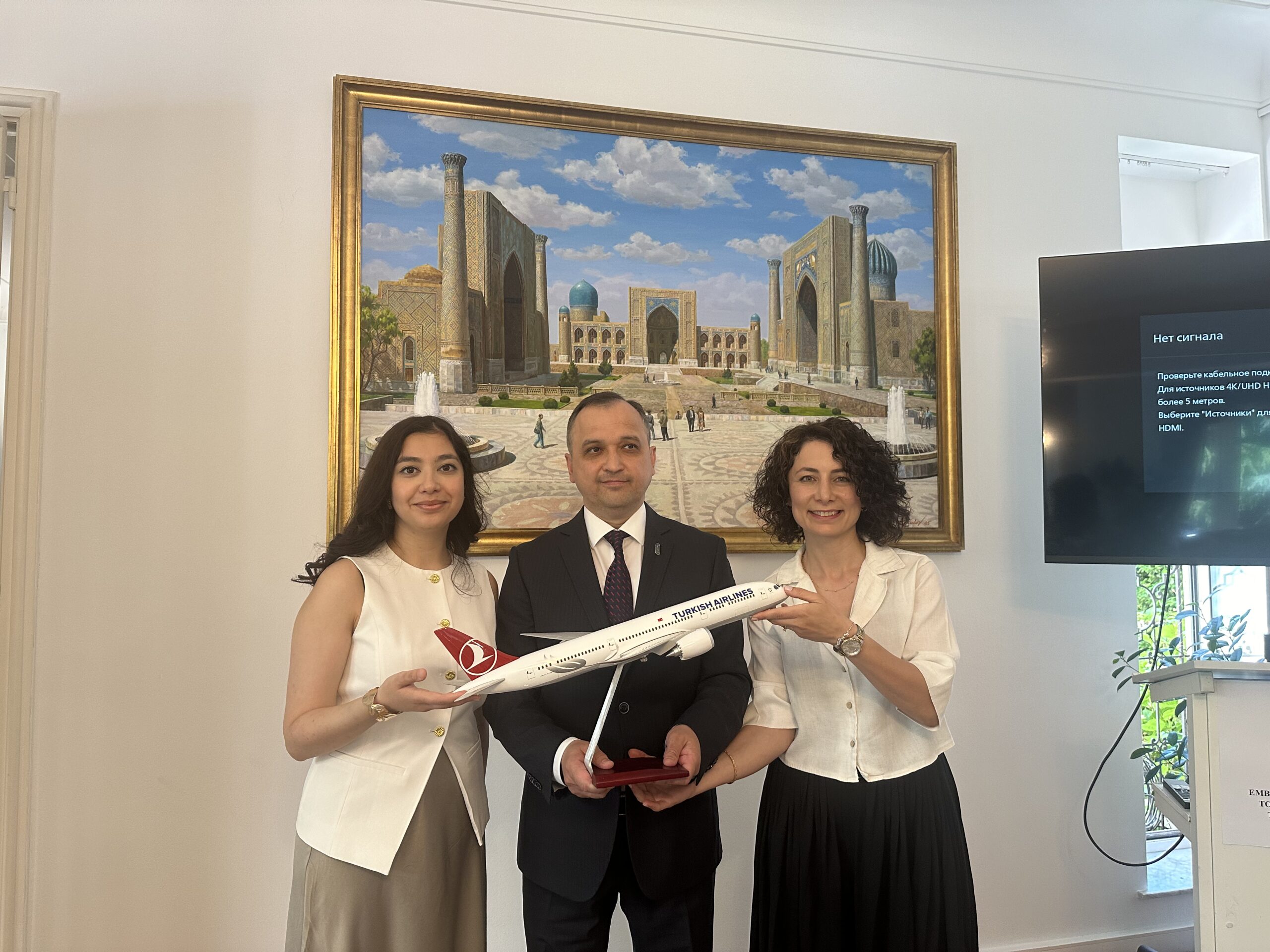
Speaking at the gathering, António Buscardini, Tourism Ambassador of Uzbekistan to the Benelux, described the country as undergoing “one of the most dynamic tourism transformations in the world,” evolving from a mainly Silk Road-focused destination into a modern international tourism player. “What always strikes me is the extraordinary hospitality of the Uzbek people. There is a warmth and generosity that travellers immediately feel,” he added.
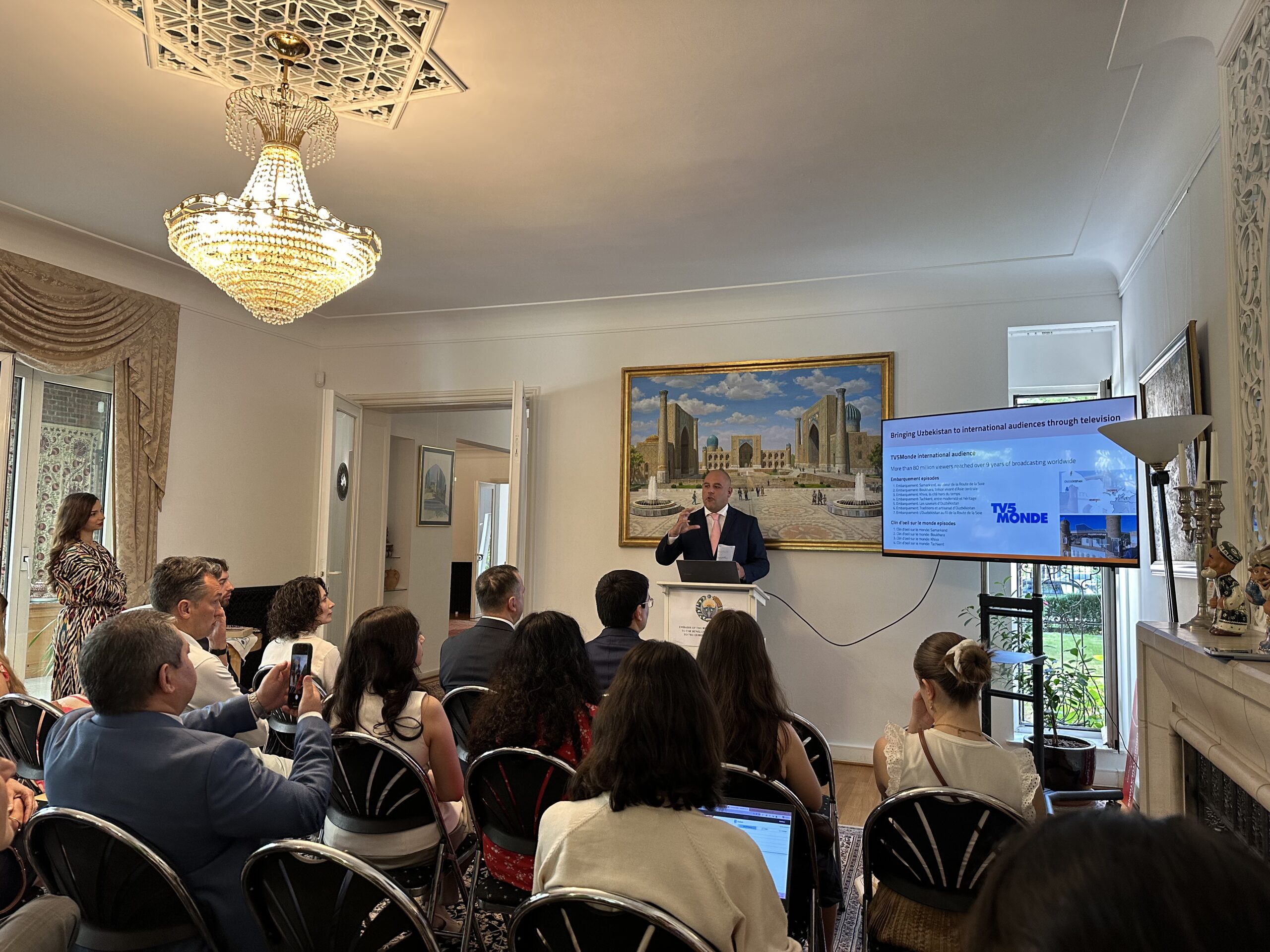
Participants at the event converged on a shared message: Uzbekistan is entering a new phase of international tourism growth, with the Benelux region positioned as an important focus in its efforts to attract more European travellers.
Against this backdrop, the Tashkent International Tourism Fair “Tourism on the Silk Road,” set to take place this autumn, will serve as a major regional platform for networking, cooperation and exploring new tourism routes across Uzbekistan and Central Asia, further strengthening the country’s position as a growing tourism hub in the region.
As Uzbekistan evolves while preserving its traditions, its tourism offer is becoming a mix of heritage and modern experiences. Its growing visibility in Europe and stronger links with major international hubs show its ambition to become a leading global destination.