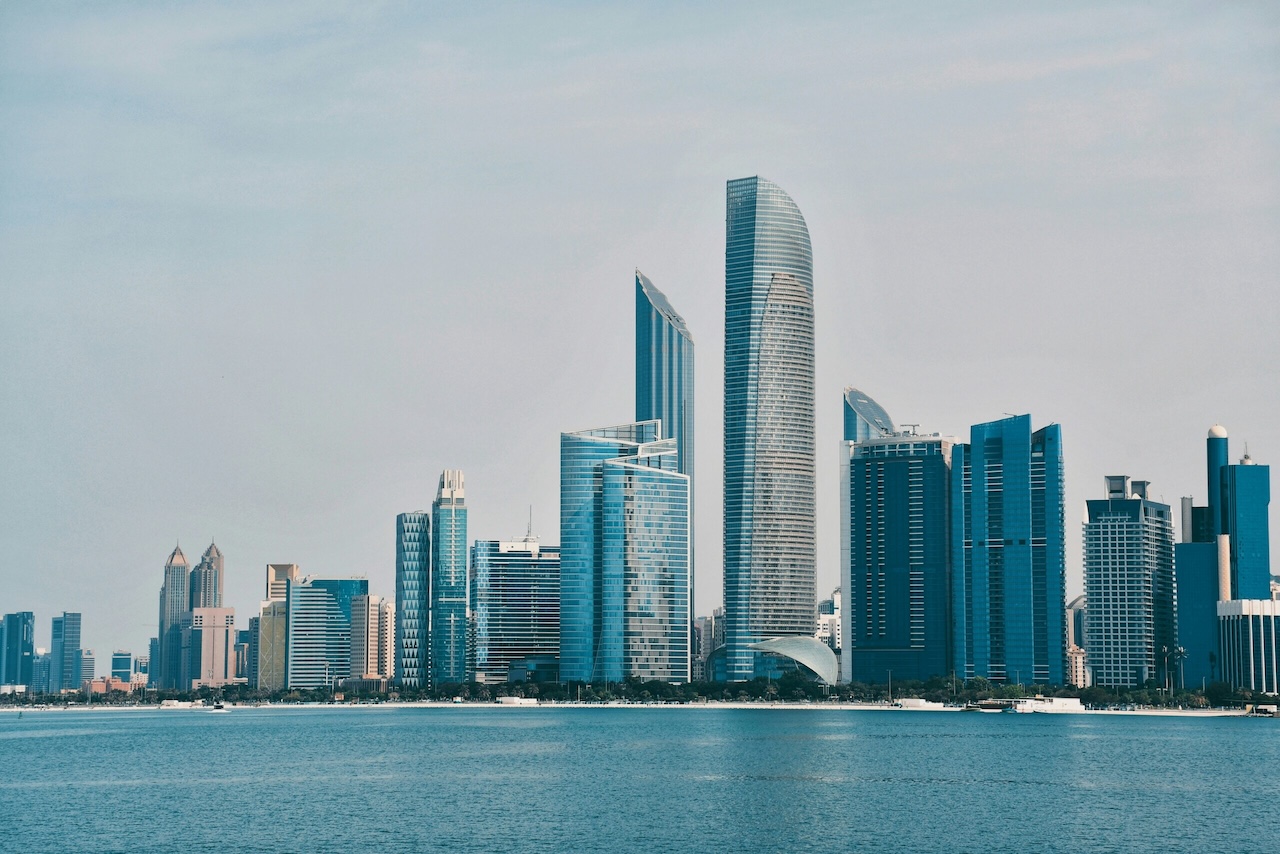



Authorities in Abu Dhabi continue to bet on tourism, despite recent blows to the sector amid the US-Israel war on Iran. In an interview with CNN, Mohamed Khalifa Al Mubarak, the chairperson of Abu Dhabi’s Department of Culture and Tourism (DCT), said: “We are doubling down on our tourism ecosystem as a whole.”
His words come alongside the announcement of forward-looking tourism initiatives. On 14 May, the DCT revealed a $1.7-billion investment in an immersive experience hub called Sphere, which follows the opening of Sphere Entertainment Co’s Las Vegas arena in 2023.
The future of entertainment is taking shape on Yas Island.
— Department of Culture and Tourism – Abu Dhabi (@dctabudhabi) May 14, 2026
Powered by advanced technologies, Sphere Abu Dhabi will captivate the world with a new era of immersive experiences and become a global platform for Emirati creativity.@spherevegas pic.twitter.com/64R1uFpZaE
The United Arab Emirates capital is also investing in world-class art venues like the Saadiyat Island Cultural District, where a branch of the Louvre awaits. The full opening of the city’s Frank Gehry-designed Guggenheim Museum is also imminent, and Disney recently revealed a new Abu Dhabi theme park.
Prior to the outbreak of Middle East hostilities at the end of February 2026, the Emirati pivot away from fossil fuels had already borne fruit. In 2025, Abu Dhabi welcomed 26.6 million visitors and 5.9 million hotel guests, tourism agency figures show. The state is targeting 39.3 million annual visitors by 2030, an influx anticipated to boost its gross domestic product to AED90 billion (€21 billion).
HH Sheikh Mohammed bin Rashid reviews report of the Emirates Tourism Council and achievements of the UAE's tourism for 2025
— Sinan (@SinanYTRR) May 26, 2026
Key results and achievements:
+32 million guests stayed in hotel establishments, reflecting an increase of 5.1% compared to 2024.
AED 49.21 billion in… pic.twitter.com/G78AsKYHd3
But Iranian drones have struck the UAE, including at airports and near nuclear facilities, closing airspace early in the conflict, and stranding tens of thousands of visitors and non-residents. Many airlines are still not operating even partial schedules to the region.
In a crisis estimated to be costing global travel and tourism $600 million per day, hotel occupancy rates in Abu Dhabi were almost slashed in half year-on-year (-45%) for the period during the end-March Eid al-Fitr holiday in mid-March, analysts at CoStar said.
The Abu Dhabi in Numbers series highlights growth across the emirate’s culture and tourism sectors in 2025, supported by @dctabudhabi and reflecting Abu Dhabi’s growing global appeal, strong sector performance, and ongoing investment in developing its iconic landmarks. pic.twitter.com/vZfRu5eoqg
— مكتب أبوظبي الإعلامي (@ADMediaOffice) April 6, 2026
Nonetheless, Abu Dhabi flag carrier Etihad is now back to operating at 80% capacity, Flightradar data indicates, and Al Mubarak has insisted that international guests are beginning to return. “Regional tourism is really picking up right now,” he said.
Etihad to resume limited flight schedule from 6 March
— Etihad Airways (@etihad) March 6, 2026
Etihad will resume a limited commercial flight schedule from 6 March 2026, operating between Abu Dhabi and a number of key destinations.
Guests with previous bookings will be accommodated on these flights as soon as… pic.twitter.com/GNiAWjmmY2
While Al Mubarak may be optimistic, analysts tend to agree that tourism demand is holding (albeit for other destinations right now), and that the UAE is playing a long game, and that the current Middle East conflict is unlikely to last long enough to really put a serious dent in the Emirati Abu Dhabi Tourism 2030 strategy. Indeed, some say the state will emerge from the crisis as a stronger destination, thanks to its deep infrastructure, institutional credibility and clear global market positioning. On all three fronts, Bulut Bağcı, President of the World Tourism Forum Institute, writing in Travel Tomorrow, said, “the UAE stands apart. Dubai and Abu Dhabi are no longer competing merely as regional destinations; they are operating as global platforms for tourism, aviation, investment, hospitality, and events.”
Seen in that context, investment in the Sphere venue, which is slated for completion in 2029, is a “clear signal” of Abu Dhabi’s commitment, Al Mubarak said in a press release. “Abu Dhabi is open, ambitious, and unwavering in its direction,” he said.