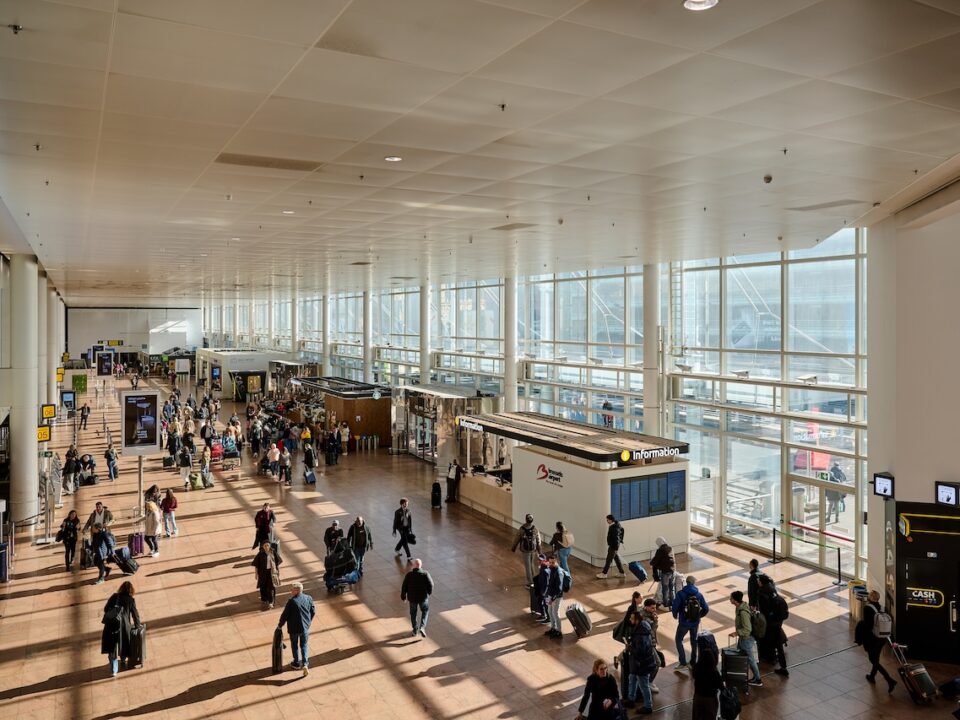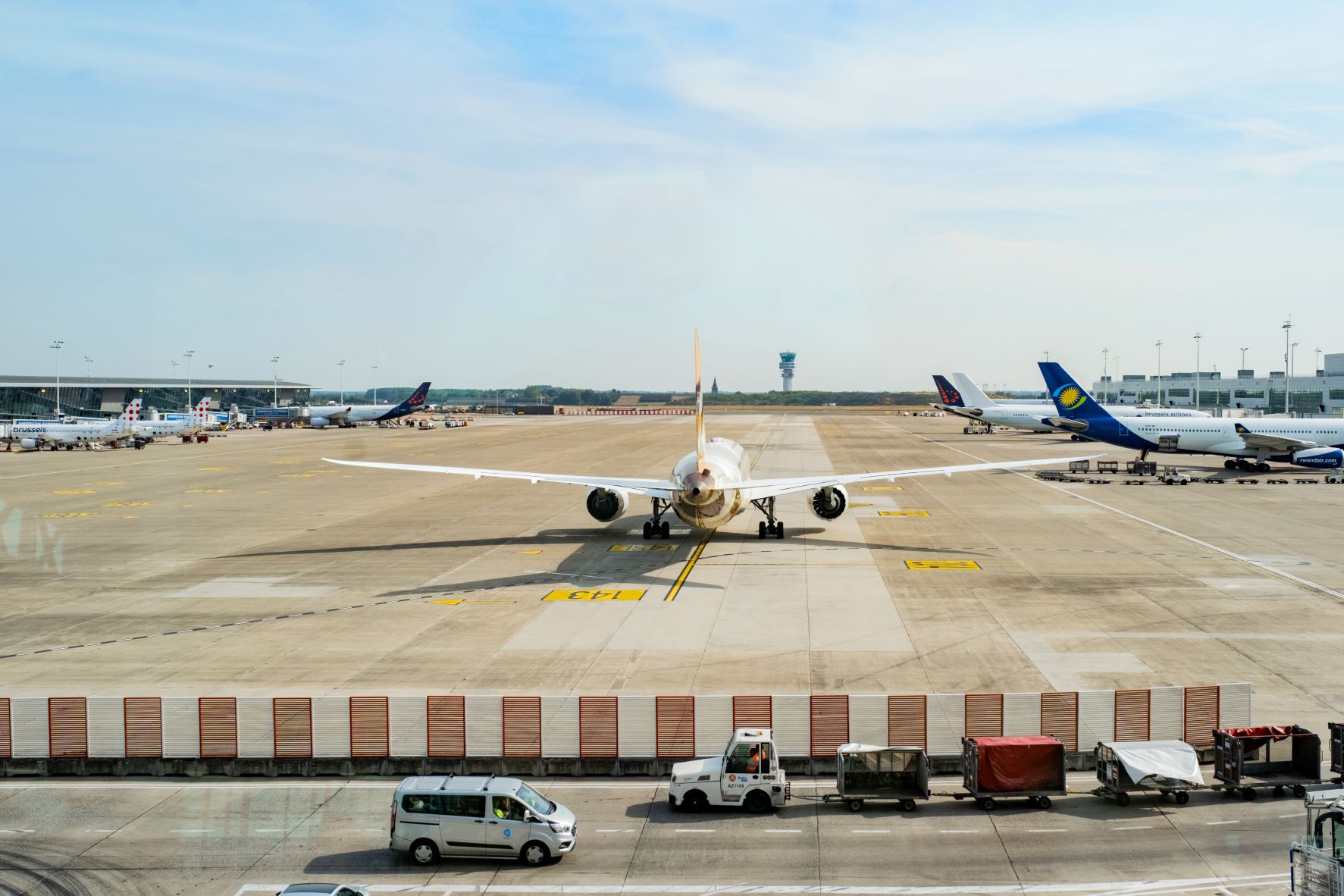



Brussels Airport Company recorded a new financial milestone in 2025, with revenue rising to €828 million, an increase of 6% compared to 2024. The airport also posted a net profit of €84 million and invested a record €302 million in infrastructure. These results come in a year marked by both operational growth and recurring disruptions. Passenger numbers and cargo volumes continued to increase, supporting the airport’s financial performance. At the same time, strikes, border control changes and capacity pressures created challenges throughout the year.
“Despite the challenges we faced in 2025, we have once again achieved strong financial results with record turnover,” said Arnaud Feist, CEO of Brussels Airport Company. He added that 2025 was also a record year for investment. Feist underlined that encouraging airlines to operate quieter aircraft through lower charges is already delivering results, as part of a strategy that links growth with environmental performance.
2025 was a strong year for #BrusselsAirport with a record #revenue, growth in passengers & cargo traffic and record #investments in infrastructure, connectivity & sustainability, while continuing to grow responsibly.
— Brussels Airport (@BrusselsAirport) May 8, 2026
➡️ Read more in our latest #pressrelease:…
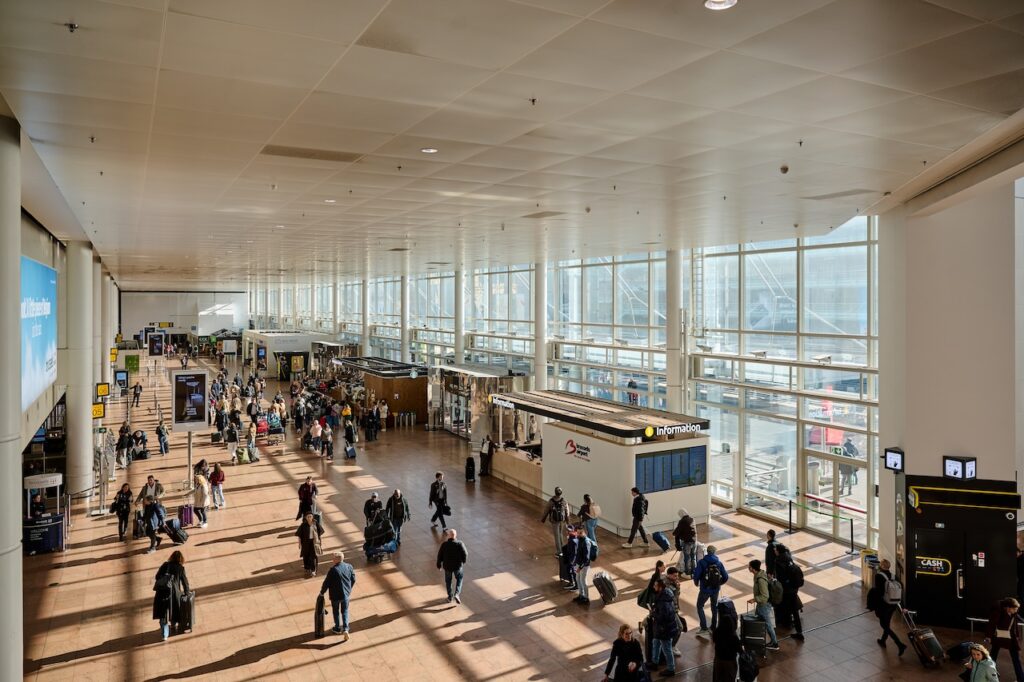
Passenger traffic at Brussels Airport reached 24.4 million travellers in 2025, which is a 3.3% increase compared to the previous year. Growth was mainly driven by leisure travel, visiting friends and family, and network expansion by airlines. However, repeated national strike actions limited the overall potential growth. Around 275,000 passenger journeys were disrupted across the year, with thousands of flights cancelled during several strike days. Even so, demand for air travel remained strong, showing the airport’s continued importance as a key European hub.
Cargo performance also contributed strongly to the airport’s results. Brussels Airport handled around 795,000 tonnes of cargo in 2025, an increase of 8.5% compared to 2024. Air cargo growth was particularly strong in express services and belly cargo, supported by new long-haul routes. Imports were mainly driven by Asia, Africa and North America, while exports were dominated by Asia and North America.
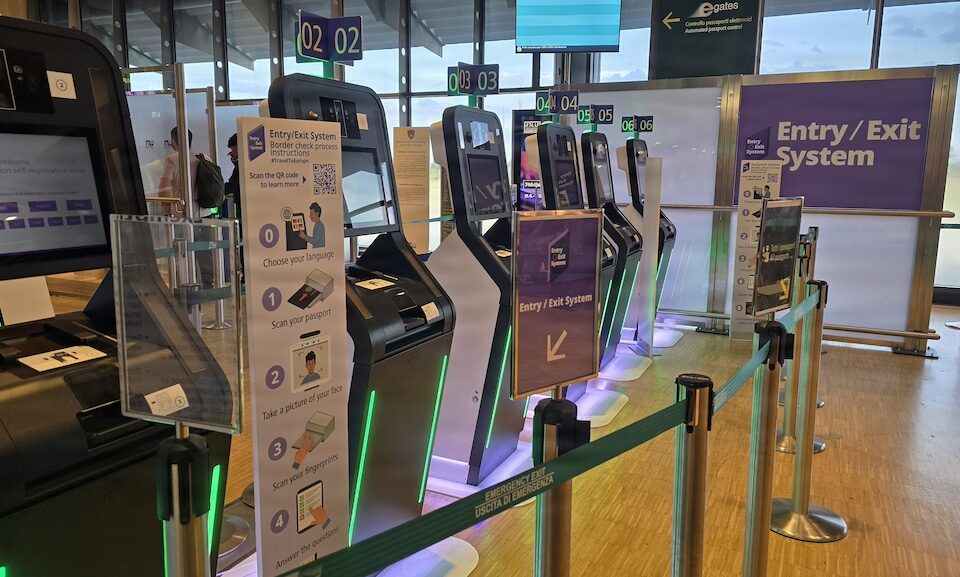
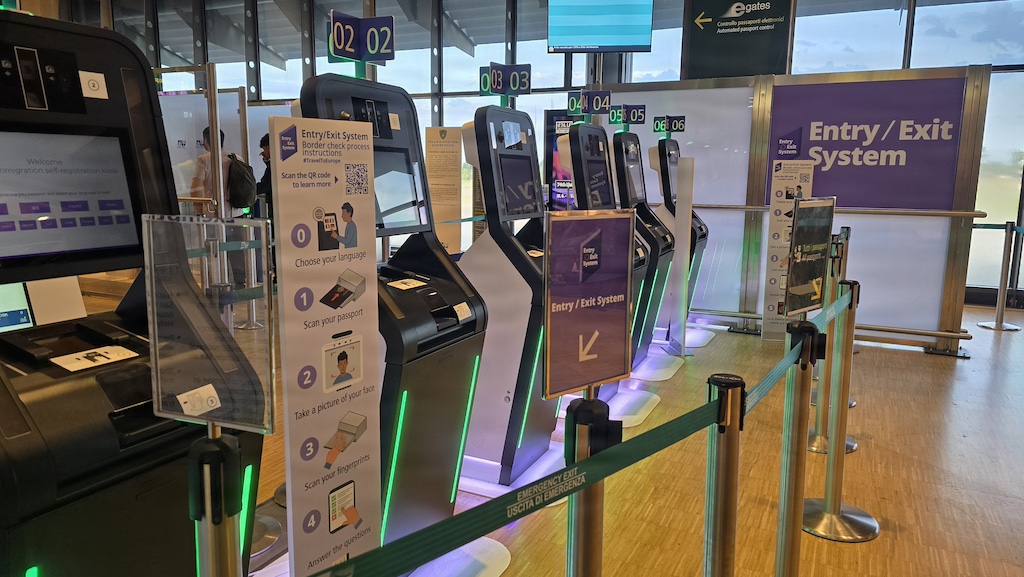
Despite the positive financial outcome, 2025 was also marked by operational pressure. One of the main challenges was the rollout of the European Entry/Exit System (EES), which introduced longer processing times for non-EU passengers. At peak moments, waiting times at border control reached up to several hours, leading to missed flights and congestion. The system requires biometric registration, which has slowed passenger flows and increased workload for border staff. Brussels Airport has warned that without more flexibility and staffing support, delays could worsen during busy travel periods.
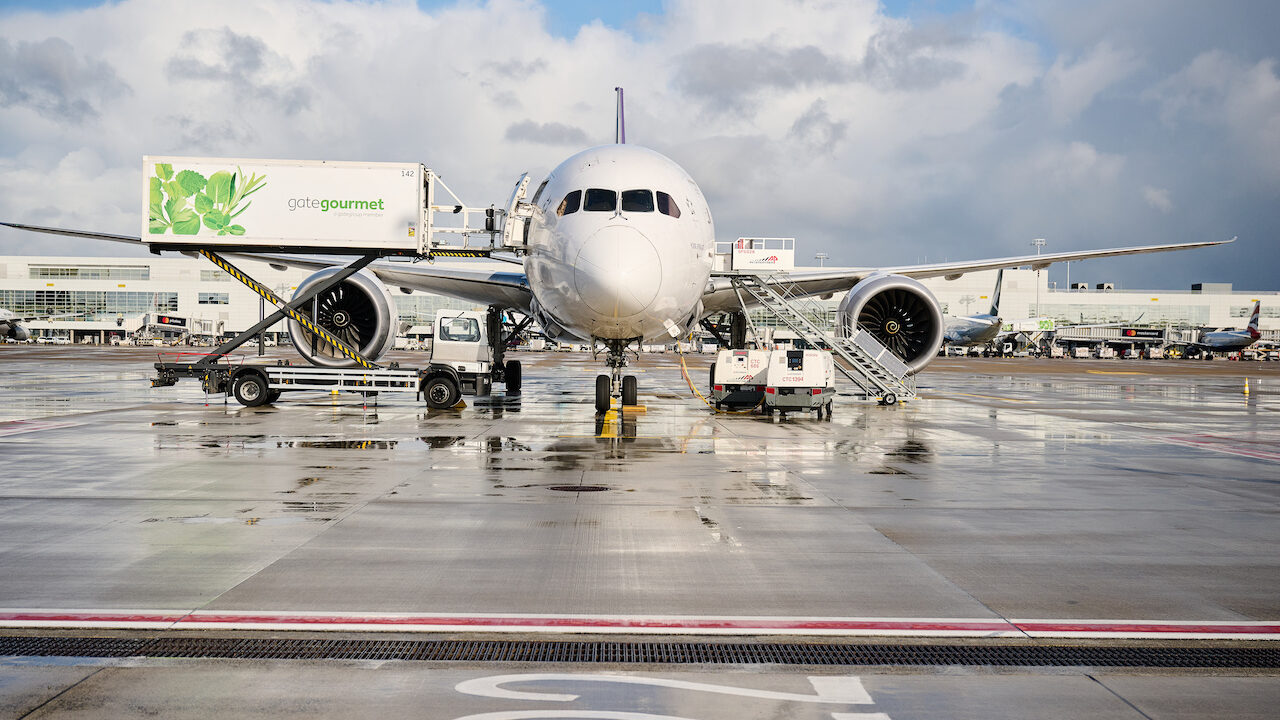
Industrial action also remained another recurring factor affecting operations. Multiple national strikes impacted airport activity throughout 2025, in some cases leading to the full cancellation of departing flights. The repeated disruptions added uncertainty for passengers and airlines alike, while increasing pressure on operational planning and capacity management across the airport ecosystem. Looking ahead, further strike actions planned in 2026 could continue to place additional strain on airport operations and passenger flows, extending this pattern of disruption into the following year.
At the same time, Brussels Airport continued to invest heavily in its future infrastructure. The €302 million investment in 2025 focused on safety, capacity and passenger comfort. Projects included new logistics buildings at Brucargo Central, a new car park, runway renovations and the opening of new passenger facilities.
Environmental performance also played a growing role in the airport’s strategy. In 2025, 42% of all flights were operated by the most noise-efficient aircraft, such as newer generation models like the Airbus A320neo. This share has doubled over the past decade, supported by differentiated airport charges that reward quieter aircraft. The airport also continued efforts to reduce ground emissions through the electrification of equipment and noise reduction measures around runways.
Sustainability innovation was further developed through the Stargate project, part of the European Green Deal. The initiative includes self-driving electric shuttles, green energy sharing with nearby communities and tests with sustainable aviation fuel. These projects aim to reduce emissions while improving airport efficiency. Brussels Airport is also generating thousands of megawatt-hours of solar energy on-site, contributing to its transition toward cleaner operations.
Looking at the overall picture, 2025 reflects a combination of strong financial growth and increasing operational complexity. Higher passenger and cargo volumes supported record revenue and investment, while strikes, border procedures and environmental concerns added pressure to daily operations.