


Any seasoned traveller knows that delays and cancellations are par for the course. What far fewer people are prepared for, however, is what happens when disruption is driven not by weather or strikes, but by a global crisis.
Tensions between the United States, Israel and Iran are putting pressure on global energy supplies, and disruptions to tanker traffic through the Strait of Hormuz have caused jet fuel prices to rise sharply. This has prompted airlines to reduce the number of flights they operate, increase fares and introduce surcharges ahead of the busy summer season and the 2026 FIFA World Cup.
The impact remains uneven, but high prices and limited availability are expected to affect travellers this summer. EU Energy Commissioner Dan Jorgensen has warned that many holidays could be disrupted. “If the jet fuel is not there, then it’s not there,” he said.
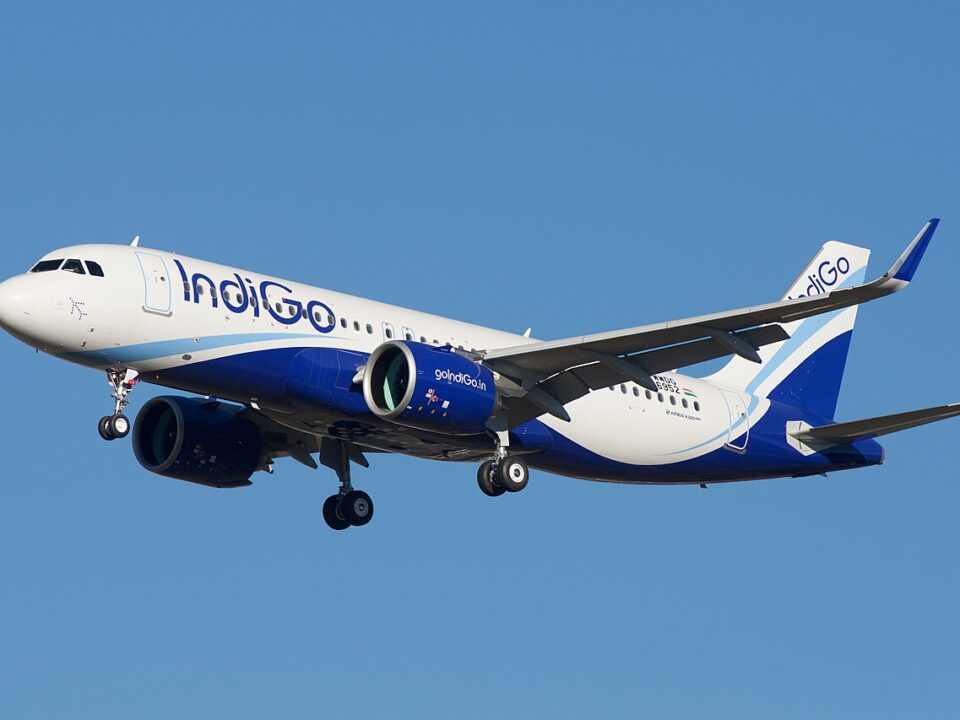
In the United Kingdom, however, airlines are operating as normal with no reported shortages of jet fuel. Elsewhere, the situation is more strained. The Lufthansa Group has announced 20,000 flight cancellations up to October, while several Asian carriers have introduced steep surcharges and reduced schedules.
Meanwhile, the European Union (EU) is preparing measures, as it relies on the Middle East for around 75% of its jet fuel imports.
EU lancerer AccelerateEU⚡
— EU i Danmark (@euidanmark) April 22, 2026
Vi vil reducere afhængigheden af importerede fossile brændstoffer og sænke energipriserne.
Tiltagene skal beskytte mod prisstigninger, styrke elnettet og øge investeringer i grøn energi, siger @DanJoergensen.
Læs mere: https://t.co/YRLS1cBeYB#eudk pic.twitter.com/rw6hKhuscG
So what happens if your flight is cancelled? What are your rights?
In situations that sit between operational disruption and geopolitical crisis, passenger rights can be less clear-cut than in standard cancellations.
In most cases, airlines will still offer a refund or the option to rebook. However, the level of protection depends on where the journey begins and which airline operates it.
Passenger rights frameworks vary globally. While the Montreal Convention governs airline liability across more than 140 countries, protections differ significantly between regions.
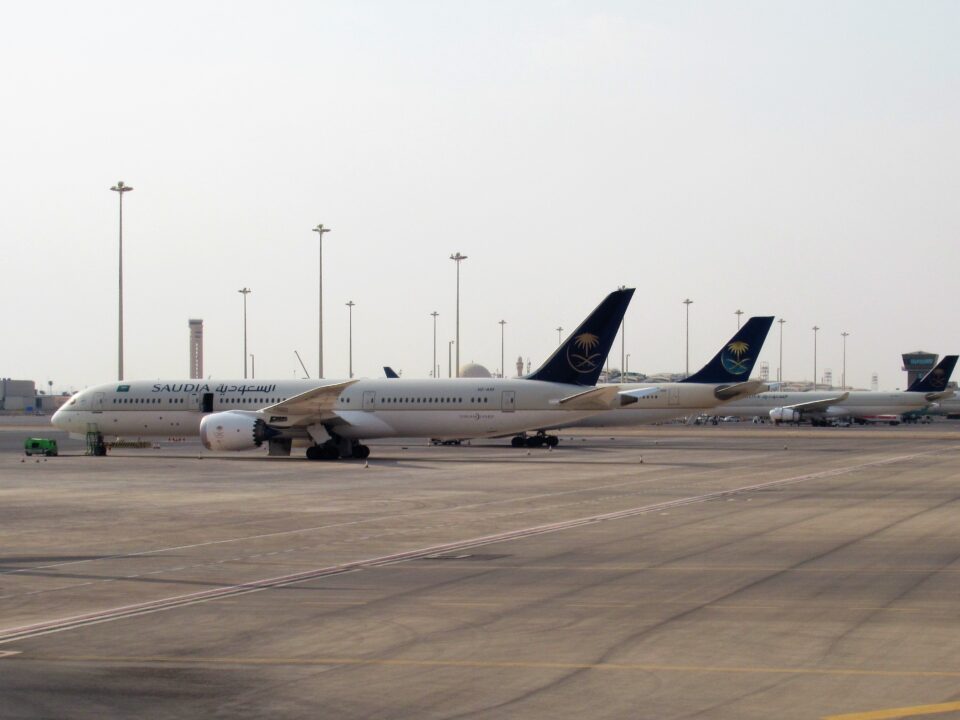
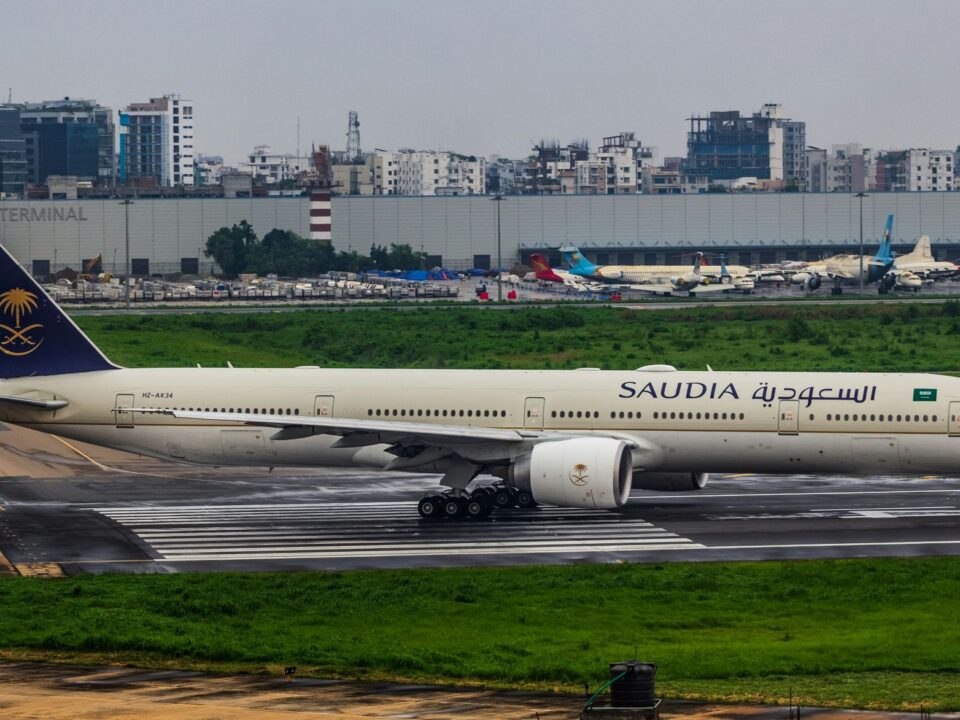
Hi, we inform you that, at the moment, flights from/to Riyadh, are cancelled untill May 31. For dates beyond that, we inform you that it is necessary to wait for further updates due to the sensitive situation in the Middle East
— ITA Airways (@ITAAirways) April 27, 2026
The EU and UK offer the strongest safeguards. These apply to flights departing from the EU/UK, as well as flights operated by them, even if the journey originates elsewhere.
If a flight is cancelled less than two weeks before departure, passengers may be entitled to financial compensation of between €250 and €600. Airlines are, however, likely to invoke “extraordinary circumstances”, arguing that fuel shortages linked to geopolitical events are beyond their control and therefore exempt from paying compensation.
This doesn’t remove the airline’s “duty of care”. Even in the event of fuel shortages or rising fuel costs, airlines must provide “necessary support”, including rebooking and, where necessary, meals and accommodation. As Eric Napoli, chief legal officer at AirHelp, stresses, such disruption does not waive passenger rights in the EU.
Protections are more limited in the United States, Canada, and much of Asia, where travellers often depend mainly on individual airline policies.
🧳📄 Heading abroad?
— FCDO Travel Advice (@FCDOtravelGovUK) April 25, 2026
Pack a paper copy of your travel insurance.
If you lose your phone, you’ll still have your policy number and your insurer’s 24 hour emergency contact.
A small step can save a big headache. pic.twitter.com/hbL9hlaAQ6
Can insurance help?
Travel insurance offers limited reassurance in this context. While passengers are generally entitled to a refund or rebooking from the airline, reimbursement from insurers for costs not covered by the airline, such as unused hotels, car hire, tours, or onward connections, is far from guaranteed.
Many policies exclude claims relating to “declared or undeclared war or hostilities”, and travelling against official government advice, as is currently the case for parts of the Middle East, is typically not covered.
Given the current disruption tied to geopolitical tensions in the region, insurers may also classify cancellations as a “known risk”, which could further limit reimbursement.
What to do if your flight is cancelled
First, check your airline’s website or app for rebooking options, or contact the airline directly. Beware of scammers.
Second, make sure you keep all documentation, including boarding passes, receipts, cancellation notices and written communication.
Know your rights. You are not obliged to accept the first alternative offered; consider other routes or airports.
Search online for “air passenger rights” or “flight compensation” together with your country of departure to understand your specific rights.
Finally, remaining calm and polite with airline staff can make a tangible difference.