

Luxury hotels are often remembered for their design, service and atmosphere, but scent also plays an important role in shaping the guest experience. Smell is closely linked to memory and can instantly bring people back to a specific place or moment. Many high-end hotels use a signature fragrance in their lobbies and rooms to create a recognisable identity. In recent years, some of these exclusive scents have started to become available to the public, allowing travellers to recreate those memories at home.
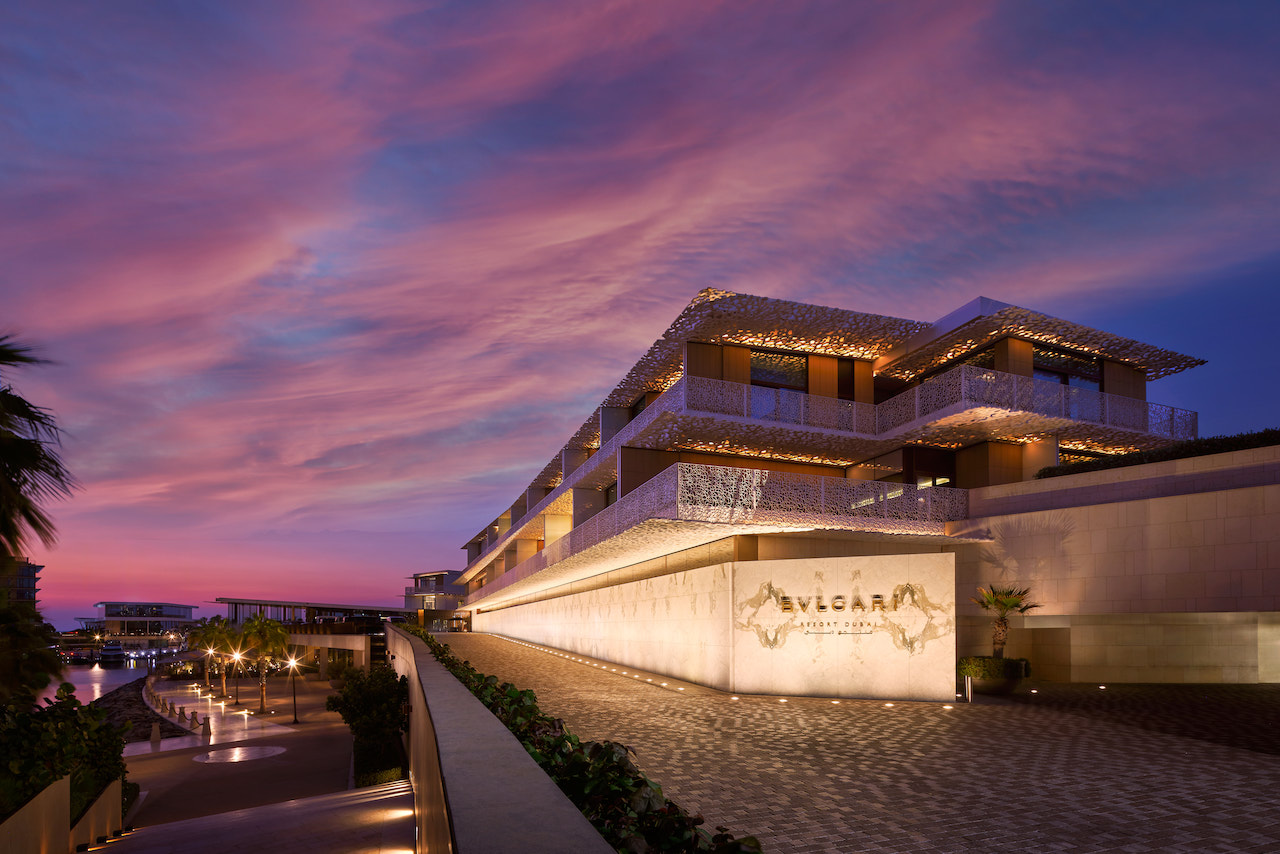
One of the latest examples comes from Bulgari, which has released its signature hotel scent to a wider audience. The fragrance, called “Eau Parfumée Thé Impérial”, was previously only experienced inside the brand’s hotels and resorts. These properties are located in cities such as Milan, London, Paris and Tokyo. As of April 2026, the scent has been added to the brand’s Eau Parfumée collection and is now available for purchase globally. For travellers familiar with the hotels, it offers a way to associate a physical product with a place they have visited.
The fragrance is described as a blend of citrus and softer, warmer notes. It combines lemon, mandarin and bergamot with tea extracts and musk. According to Bulgari, the composition is intended to feel light and fresh at first, before developing into a warmer base. The structure reflects how hotel scents are typically designed: noticeable in shared spaces, but subtle enough not to dominate them.
The scent was created by master perfumer Jacques Cavallier and draws on cultural references from both Europe and Asia. Tea plays a central role in the composition and is associated in many Asian cultures with calm and tradition. Citrus fruits have long been linked to Mediterranean regions, where they were historically considered a luxury ingredient. The combination brings together two different scent traditions that have both been associated with hospitality and refinement over time.
The fragrance is available in different formats, including 75ml and 150ml bottles, as well as complementary body products such as lotion and shower gel. These can be purchased through Bulgari’s official website and selected retail partners. The move follows a wider industry pattern in which hotel brands extend in-house sensory experiences into retail products.
Bulgari is part of a growing number of hotel groups offering signature scents for home use. The Ritz-Carlton, for example, offers 50 Central Park, a fragrance inspired by New York’s green spaces, while Aman Resorts has developed Haru, linked to its Tokyo property and seasonal floral notes. These products are typically sold as candles, diffusers or room sprays, extending hotel branding beyond physical stays.
Scent is increasingly used as part of broader hospitality identity strategies, alongside design and service. By making previously restricted fragrances commercially available, hotel brands are turning an element of the guest experience into a standalone product category.