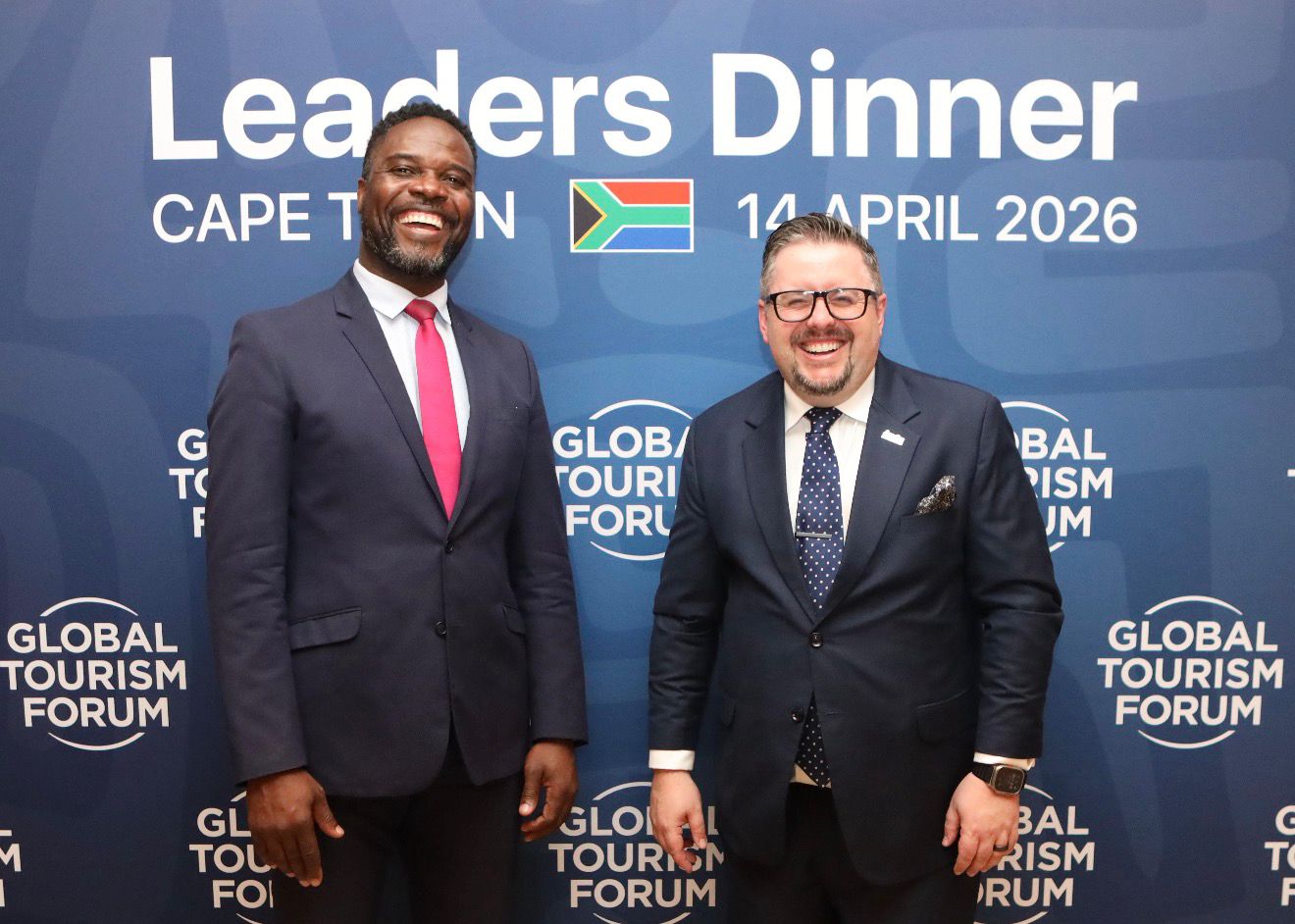



In an era defined by speed, scale, and digital connectivity, influence is still often shaped in more intimate settings. That reality was evident in Cape Town, where the Global Tourism Forum hosted an exclusive Leaders Dinner at the Mount Nelson Hotel, bringing together more than 40 CEOs and senior executives from across the travel, tourism, and hospitality sectors.
The evening was not merely a social occasion. It was a strategic gathering of decision makers at a time when the global tourism industry is being reshaped by evolving traveller expectations, geopolitical uncertainty, shifting investment flows, and a growing demand for resilient destination strategies. In this context, leadership gatherings of this kind are gaining importance for the quality of dialogue they enable.
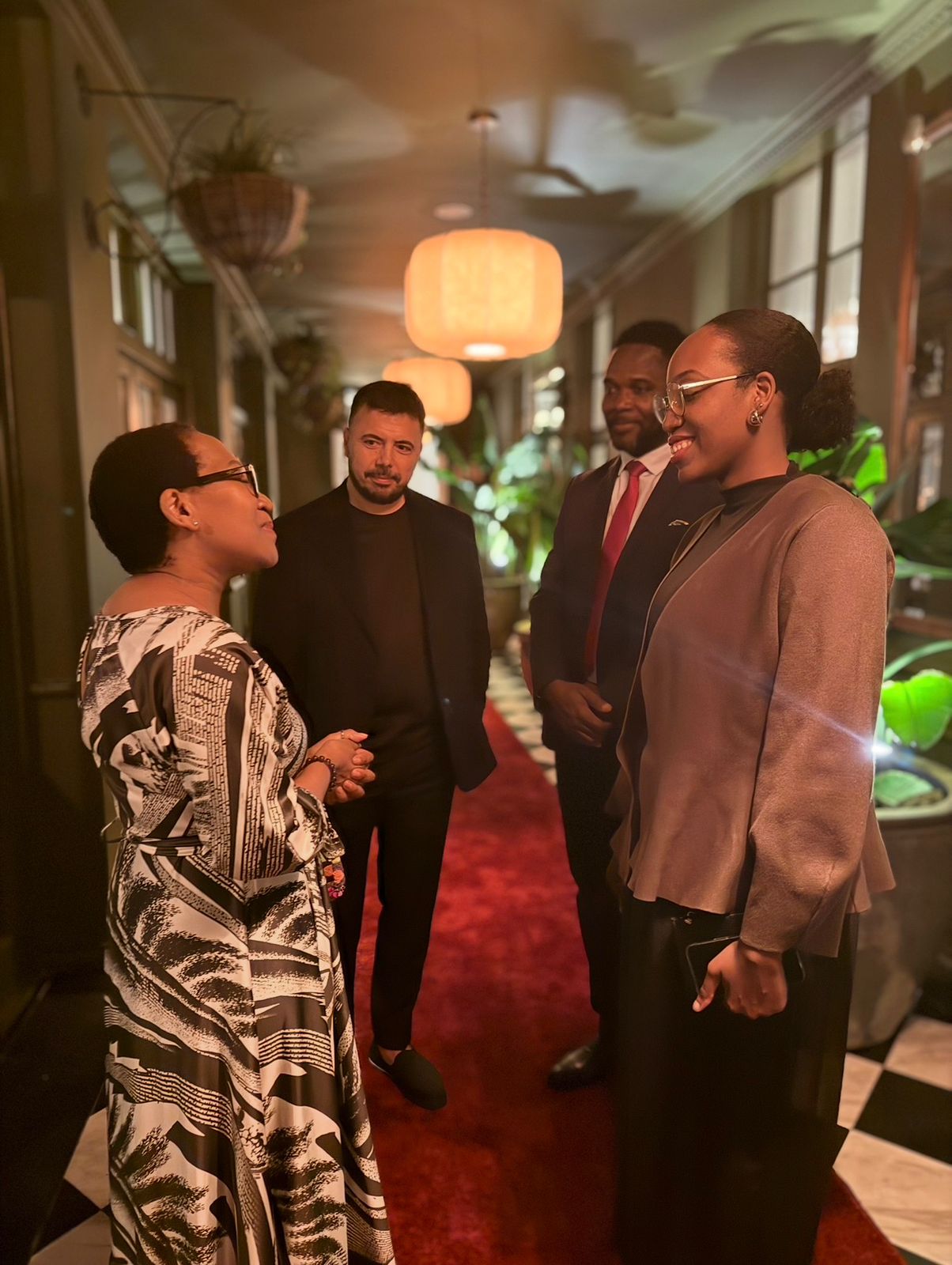
Held at one of Cape Town’s most iconic landmark hotels, the Mount Nelson provided a fitting setting for a meeting centred on leadership, trust, and long-term vision. The choice of venue reflected more than elegance. It also symbolised heritage, relevance, and global stature. As destinations compete not only for visitors but also for capital, attention, and partnerships, the environments in which discussions take place are becoming increasingly significant.
What distinguished the Global Tourism Forum Leaders Dinner was the calibre of participants. With more than 40 top executives in attendance, the event created a rare space for meaningful exchange among those actively shaping the future of the sector. These gatherings often serve as the starting point for new partnerships, clearer alignment on shared challenges, and a broader perspective on market opportunities.
The setting of Cape Town added further significance. As one of Africa’s most dynamic and internationally recognised cities, it offered a strong backdrop for discussions on the future of tourism leadership. Africa is playing an increasingly central role in the global tourism narrative, both as a destination rich in cultural and natural assets and as a region of growing strategic importance. For business leaders, the location reinforced the message that future growth will depend on engagement with emerging markets.
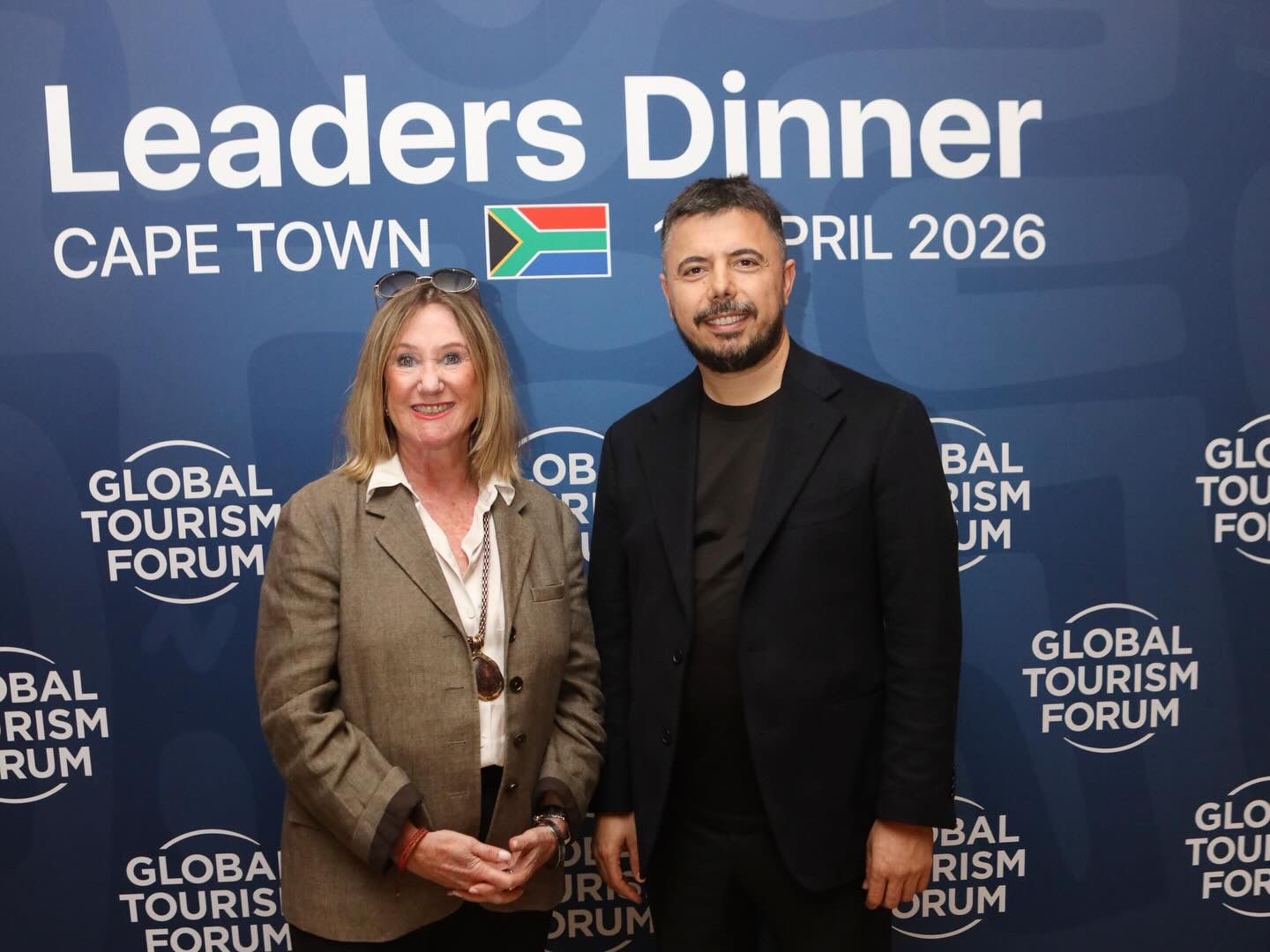
For the Global Tourism Forum, the dinner also reflected a wider strategy to create platforms where business, policy, investment, and destination leadership intersect. In a sector where visibility often dominates headlines, long-term progress continues to rely on access, trust, and executive-level engagement.
While large-scale events attract attention, the most effective gatherings are often the most carefully curated. By bringing together individuals with influence and decision-making power, they create space for conversations that are less performative and more consequential.
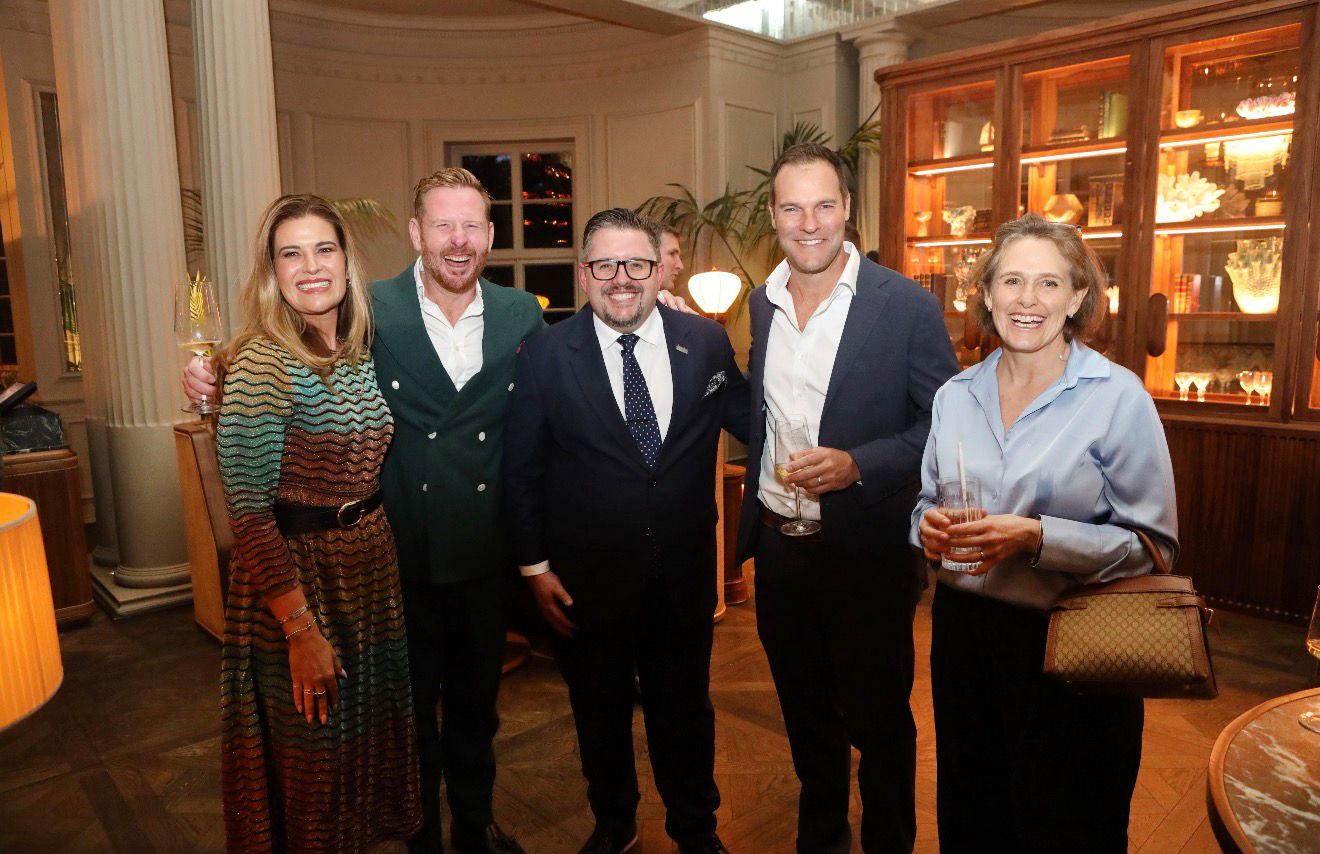
The Leaders Dinner in Cape Town served as a reminder that while the industry continues to evolve, the fundamentals of leadership remain unchanged. Relationships, dialogue, and trust continue to underpin progress. When senior executives gather in a setting such as the Mount Nelson, the outcome is not only a memorable evening, but a clear signal of intent for the future direction of global tourism.