


Delta Air Lines has raised its checked baggage fees, becoming the latest U.S. carrier to increase prices after similar moves by United Airlines and JetBlue, as companies grapple with rising fuel costs linked to Middle East tensions.
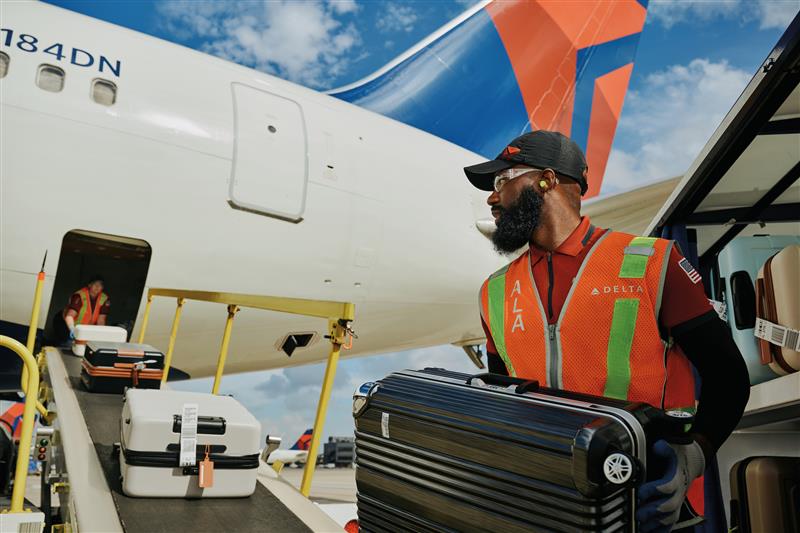
The airline announced that, starting 8 April, passengers on domestic and some short-haul international routes will pay $45 for a first checked bag and $55 for a second, each up by $10. The fee for a third checked bag has risen by $50 to $200.
In a statement, the company said, “These updates are part of Delta’s ongoing review of pricing across its business and reflect the impact of evolving global conditions and industry dynamics.”
Delta SkyMiles Medallion members, first-class passengers, active-duty military personnel, and customers holding eligible airline credit cards will continue to receive free checked bags, while rates for long-haul international flights remain unchanged.

The changes mark Delta’s first domestic baggage fee increase in two years and follow similar actions by other major U.S. carriers. United Airlines recently raised its checked bag fees by $10 on many routes, while JetBlue introduced increases of up to $9, with higher charges during peak travel periods.
Southwest Airlines has also increased its checked baggage fees, with the new pricing taking effect on 9 April. The cost of a first checked bag has risen from $35 to $45, while a second bag now costs $55, up from $45.
Industry analysts say airlines often rely on baggage fees to help offset rising expenses without increasing base ticket prices, which are subject to additional taxes.
Airlines have pointed to a sharp rise in jet fuel costs as a key factor behind the increases. Fuel prices have surged amid disruptions to global oil supply connected to the Middle East conflict, pushing up operating expenses across the aviation industry.
Deutsche Bank analysts warned that the U.S. airline industry could face tens of billions of dollars in additional fuel costs if the Strait of Hormuz remains closed, underscoring mounting financial pressure on carriers. Jet fuel prices have surged sharply, reaching $209 a barrel for the week ending 3 April — a 132% increase from last year’s average, according to the International Air Transport Association.
Delta’s decision reflects a broader industry trend, with carriers adjusting ancillary charges such as baggage fees in response to volatile costs. More airlines are expected to follow if fuel prices remain elevated, potentially pushing overall travel costs higher ahead of the peak summer season.