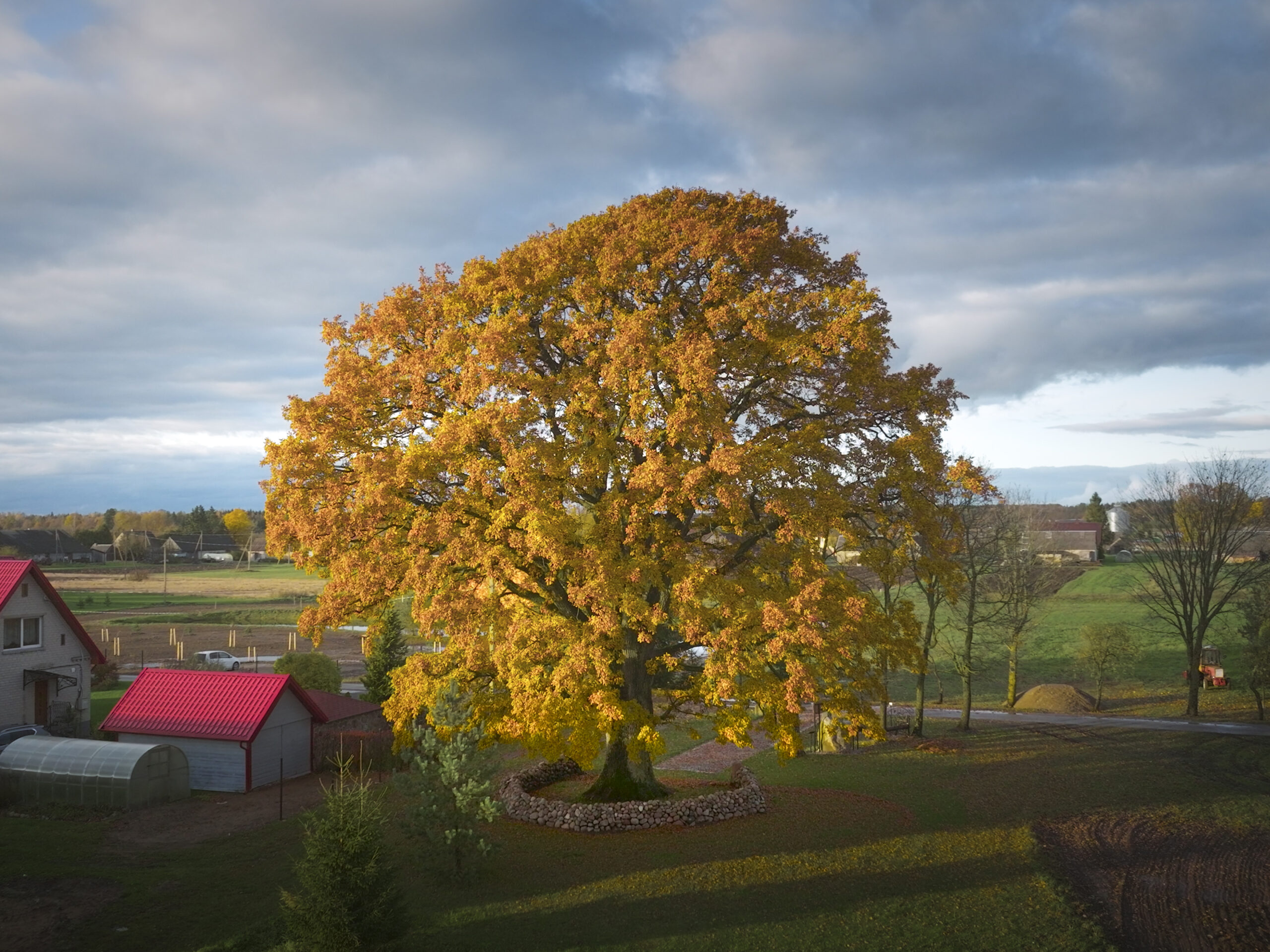


The European Tree of the Year 2026 has crowned the Lithuanian “Oak of Laukiai” as this year’s winner, marking a major moment for a tree that until recently was known only to residents of a small rural community.
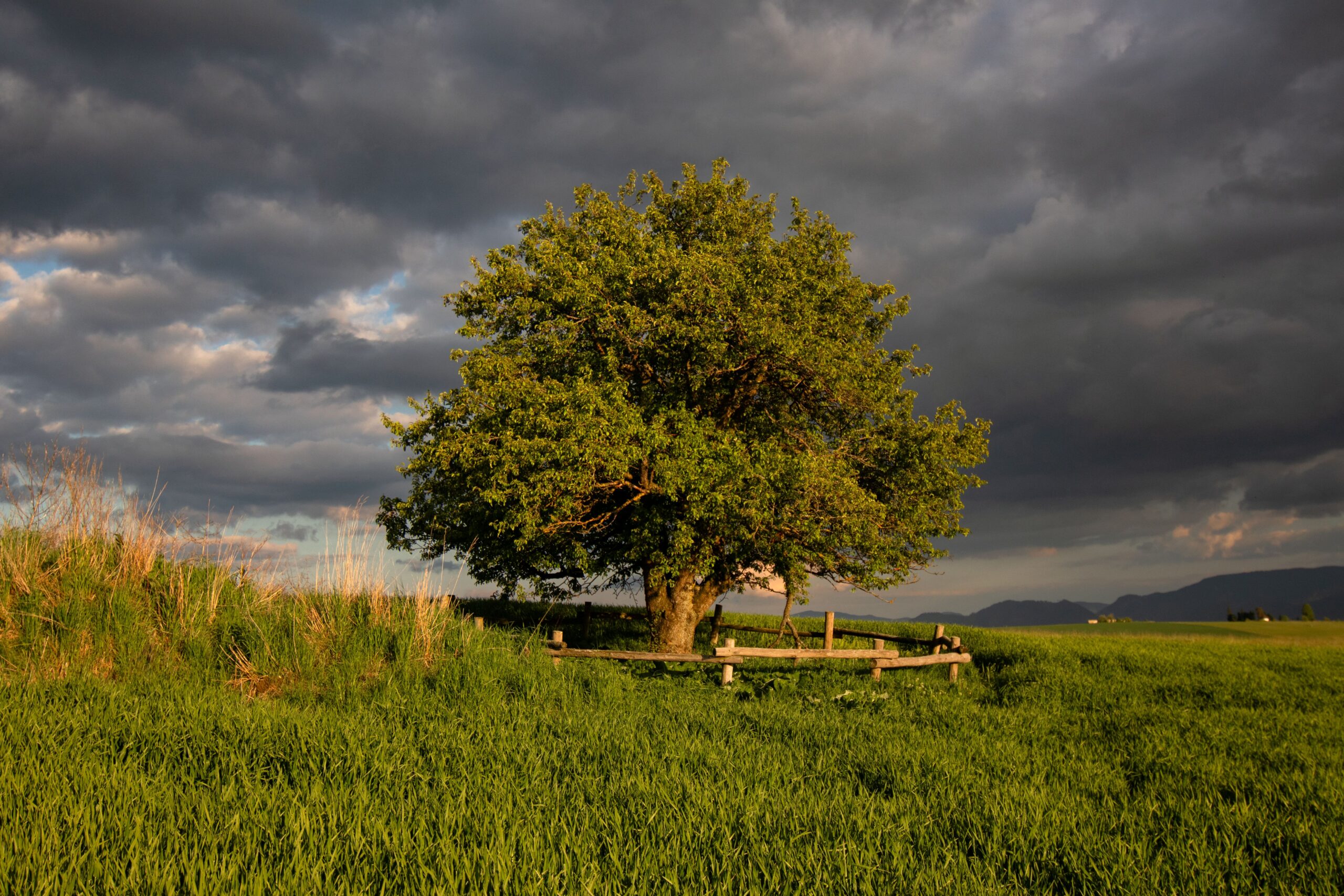
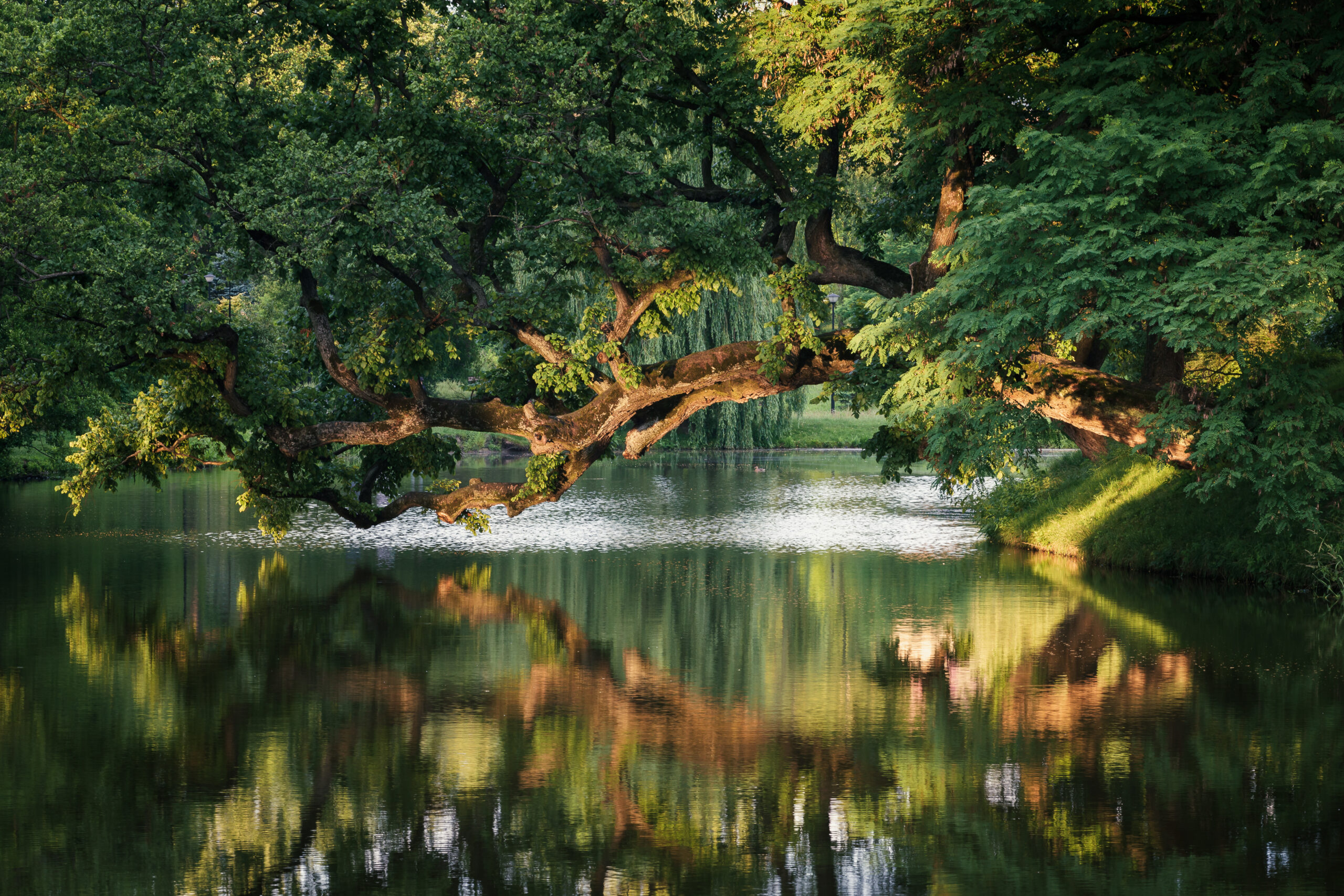
The 400-year-old oak, located in the village of Rukai, secured first place in the 15th edition of the competition, which celebrates trees with deep cultural and environmental significance rather than purely aesthetic appeal. Slovakia’s Old Wild Apple Tree was ranked second, while Poland’s Crooked Elm of Szyslowiec took third place.
This year’s contest introduced a new “Tree Points” system, replacing traditional voting. In total, 32,902 points were awarded, cast by more than 200,000 unique participants across Europe, reflecting strong public engagement with environmental heritage.
For centuries, the Oak of Laukiai stood quietly on the outskirts of Rukai, largely overlooked by the local population. Over the past year, residents restored the surrounding area and organised a celebration in its honour. The initiative transformed the oak into a focal point for community life, with organisers noting that the sixth generation of local families is now growing up alongside the tree.
The runners-up each carry their own stories of endurance. The Old Wild Apple Tree in Slovakia has survived more than 150 years of harsh weather conditions at an altitude of 860 metres, overlooking the village from a place known as Diel.
Poland’s Crooked Elm of Szyslowiec stands out for its distinctive leaning shape, a result of its position on an island near a former castle moat, where it has gradually adapted to its unusual surroundings, growing toward the water.
“The competition was extremely close – the ranking remained uncertain until the very last moment. This year’s magnificent trees attracted huge attention across Europe. During the voting period, the website recorded around 1.5 million visits, with more than 200,000 unique voters – people who care about nature and the environment,” said Petr Skrivanek, coordinator of the contest.
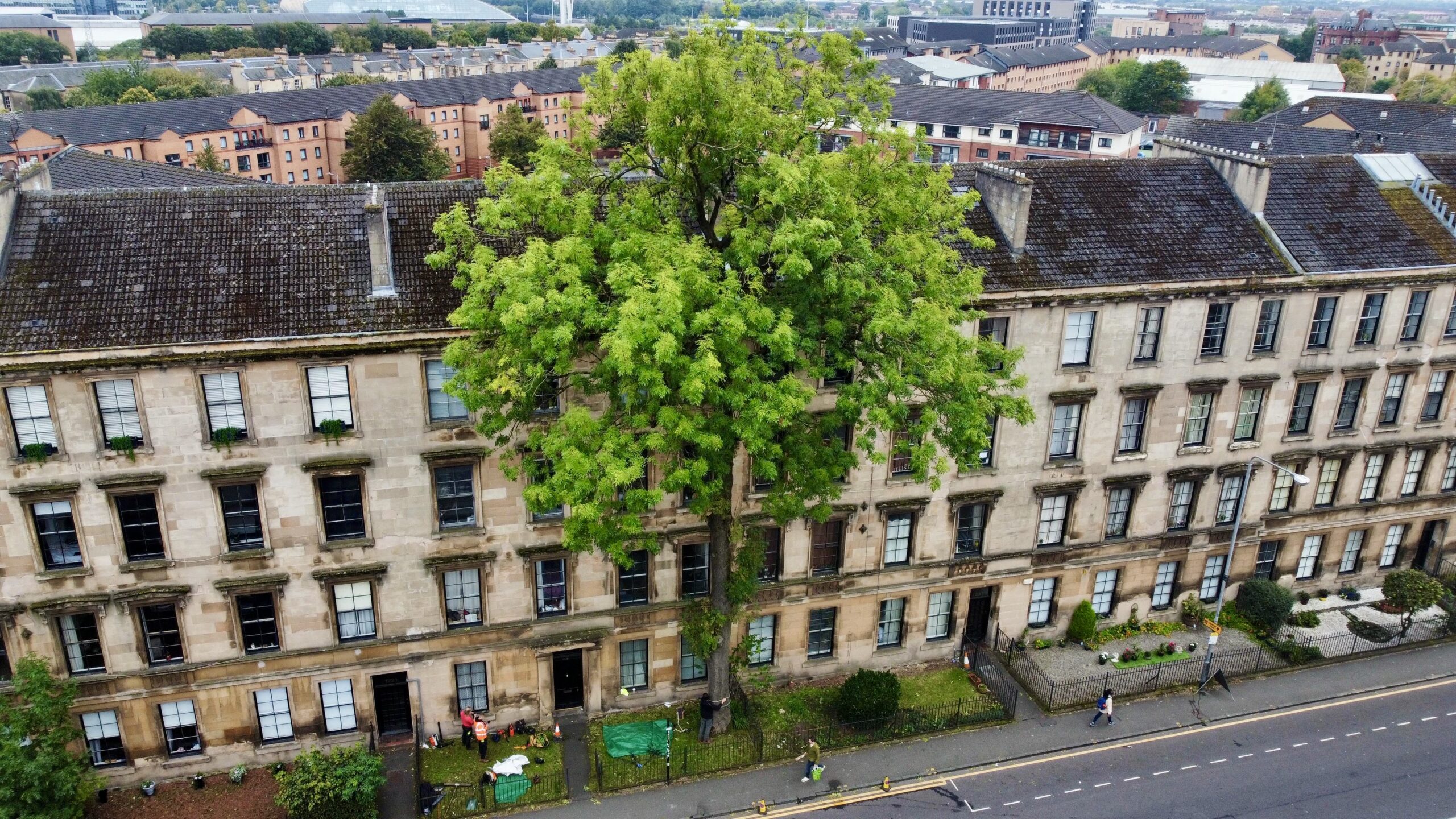
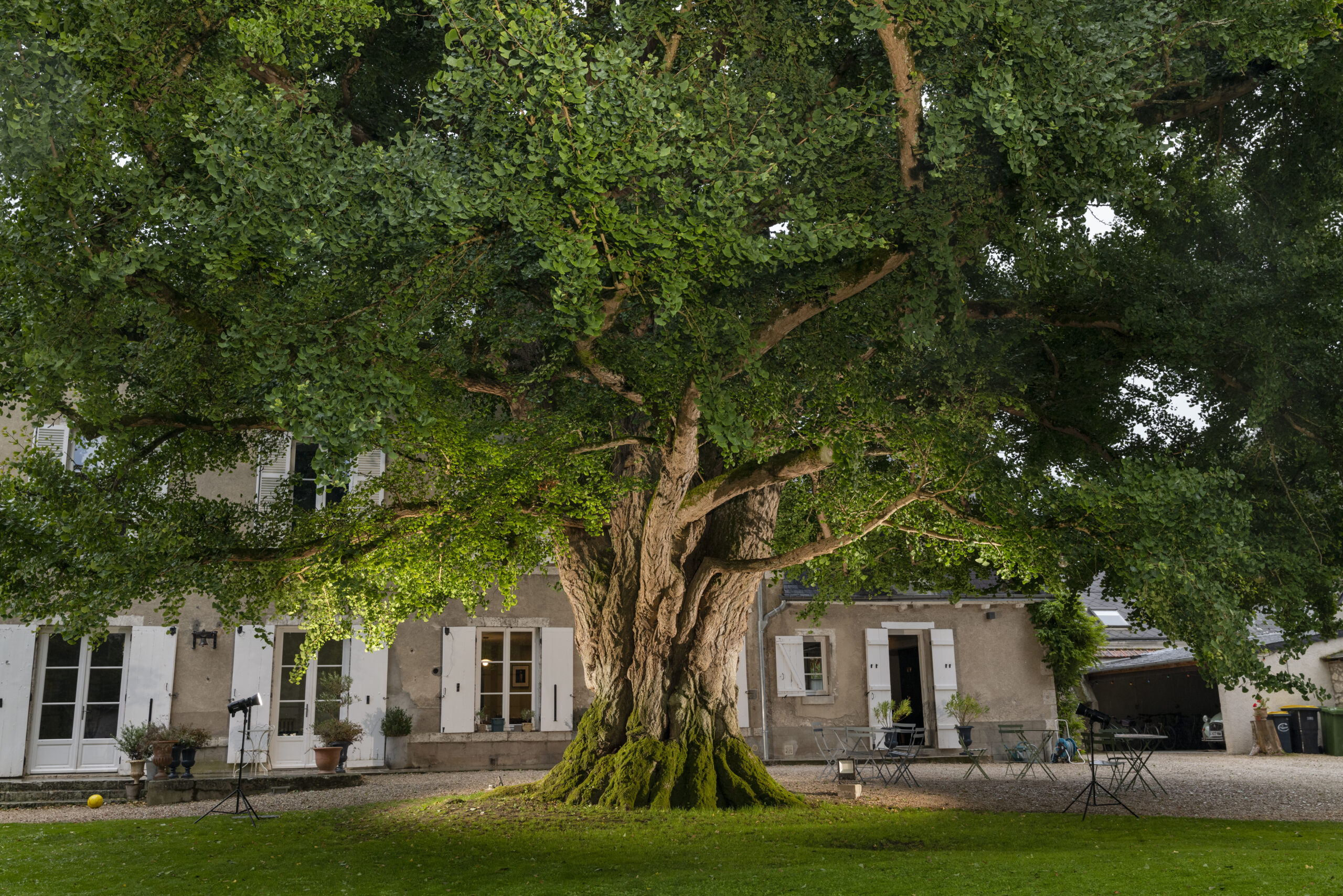
This year’s European Tree of the Year contest featured 12 remarkable trees, each with a unique story and strong community ties. Highlights include the Czech Oak of Prince Ulrich, Portugal’s Cedar of Runa, the Japanese Sophora from Ukrainian Chronomorsk, Latvia’s Linden of Sacrifice, the Netherlands’ Ledeboerpark Giant Sequoia, Croatia’s Kostrena Oak, Hungary’s Tree of Memories, the UK’s Argyle Street Ash, and the Ancient Ginkgo of St-Hilaire in France.
The award ceremony took place on 24 March at the European Parliament in Brussels, bringing together Members of the European Parliament and viewers across Europe via a live stream. The event, underlining the cultural and environmental importance of Europe’s trees, was backed by the Škoda Auto Endowment Fund, the Czech Ministry of the Environment, and the State Environmental Fund of the Czech Republic.
MEP Michal Wiezik from Renew Europe emphasised the symbolic importance of such trees, stating: “Old, magnificent trees are like silent pillars of our time. They stand firm where the world around them changes in a fast and unpredictable gallop. In their rings lies the memory of the landscape and of society, reminding us all that true stability does not arise from haste, but from patient and quiet growth.”
“Strong public engagement in the European Tree of the Year contest voting indicates that trees are not only an integral part of the landscape, but are also perceived as bearers of stories, local identity, continuity, and people’s connection to nature,” said Petr Valdman, the Director of the State Environmental Fund of the Czech Republic.
Organisers say the strong turnout shows that trees are increasingly seen not just as environmental assets, but as symbols of local identity and shared history. “The contest is not looking for the most beautiful tree, but for a tree with a story, rooted in the lives and work of the people and community around it,” they note in the press release.