

Strikes by airport ground staff in Spain are likely to hit holidaymakers this Easter, with industrial action planned by workers in at least 12 airports across the country, starting 27 March 2026.
The walkouts, called by unions including UGT, CCOO and USO, will take place on Mondays, Wednesdays, and Fridays, affecting three time slots: from 5 to 7 am, from 11 am to 5 pm and from 10 pm to midnight. In addition, a series of one-day strikes is planned by handling staff on 28-29 March, and between 2-6 April, with the threat of ongoing action until December if key union demands on pay, working conditions, and contracts are not met.
Up to 3,000 employees of the Menzies Group (Menzies Aviation Iberica and Menzies Ground Services) are expected to join the walkouts, as well as staff with Groundforce. Despite national regulations governing aviation that guarantee a minimum level of service, some of the busiest hubs in Spain will be impacted by the withdrawal of labour, affecting tasks such as ramp and passenger logistics at airports, check-in and boarding, baggage handling, refuelling, cleaning, and transportation.
Airports set to be hit by the strikes include in the capital, Madrid-Barajas, and significant tourist entry and exit points at Alicante-Elche, Barcelona-El Prat, Bilbao, Fuerteventura, Gran Canaria, Ibiza, Lanzarote, Málaga-Costa del Sol, Palma de Mallorca, Santiago de Compostela, Tenerife Sur and Norte, and Valencia. Local press are estimating that up to 800,000 passengers could be hit at Palma Airport alone.
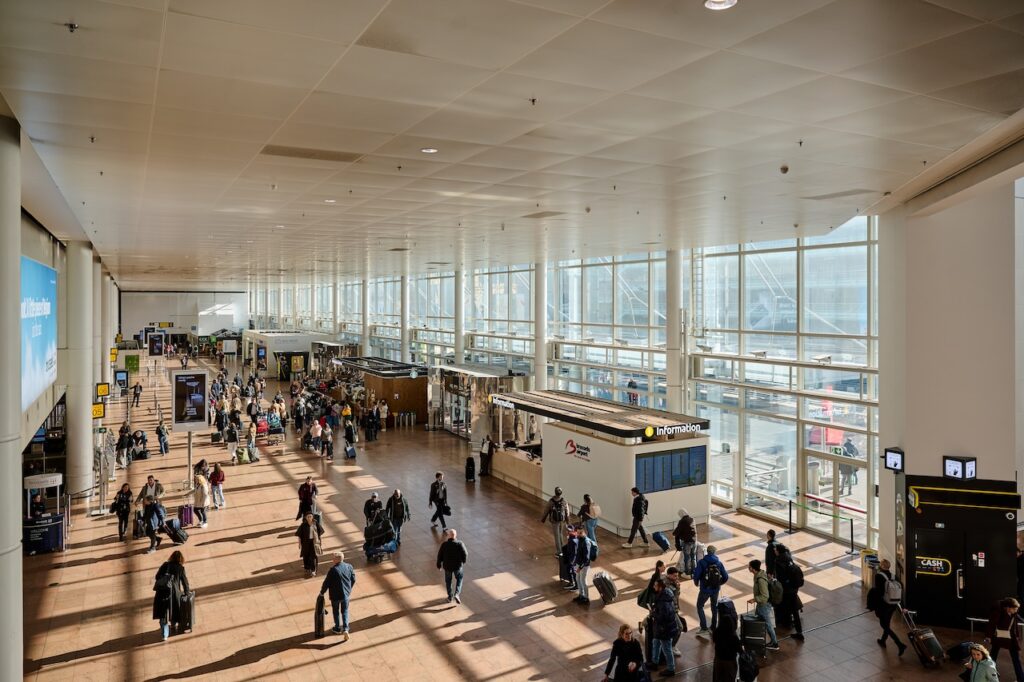
With staff numbers limited and baggage taking longer to make it through airport processes, travellers should expect longer waiting and connection times than usual and plan to arrive in plenty of time for departures. They should also be aware that schedules may be subject to unexpected changes, as extended aircraft turnaround times could cause knock-on effects to timetables.
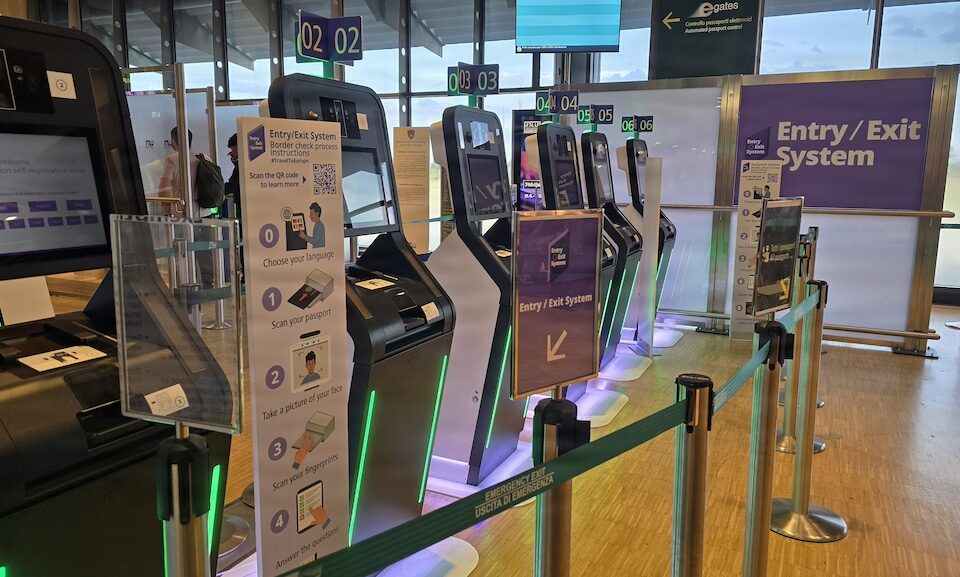
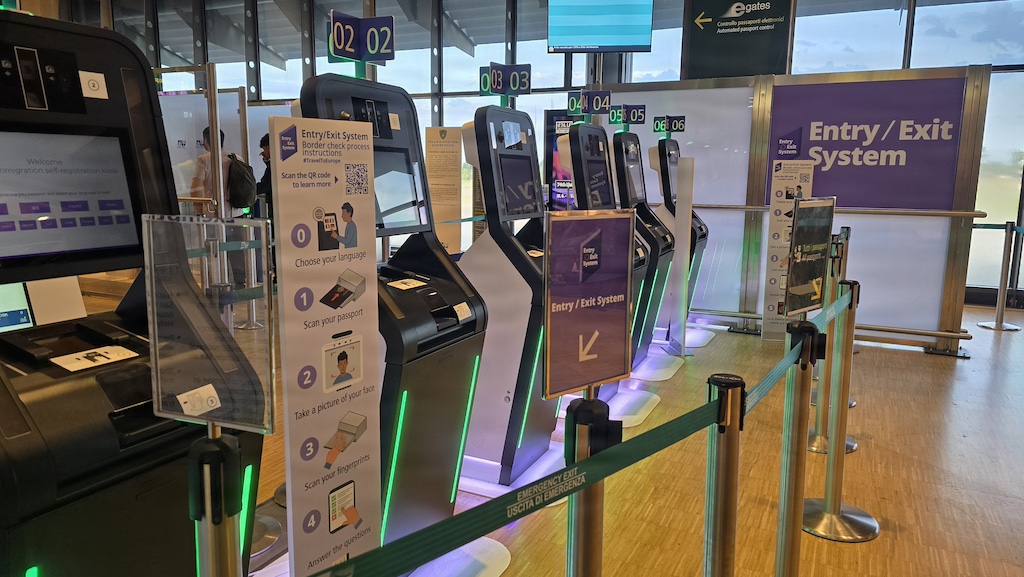
The uncertainty created by the strikes comes on top of the Europe-wide rollout of the European Union’s new Entry Exit System (EES), which is reported to be causing longer processing times than usual. EES is intended to streamline border security control across the Schengen bloc, but its implementation requires third-country visitors to the EU to register their biometric data. Although most hubs have deployed kiosks and helpdesks, the registration process has led to delays of up to three hours at transit hubs in popular destinations like Prague and Lisbon. Citing waiting times up to 70% longer than average in some places, aviation trade body Airports Council International (ACI) has called for a review of the rollout.