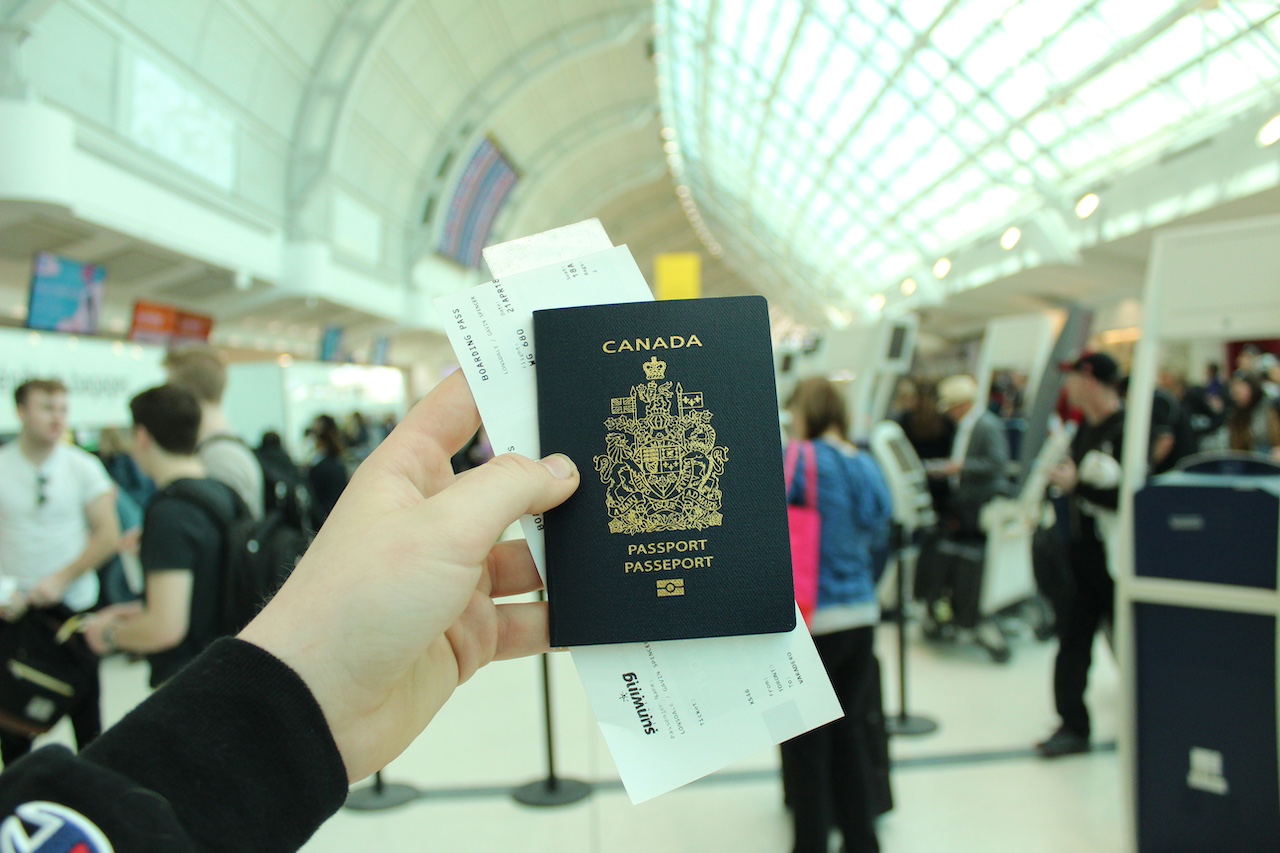



Citizenship rights are in focus again, after a Constitutional Court ruling in Italy that could strip millions of Italian descendants living abroad of their Italian nationality birthright, but this time, it is Canada hitting the headlines—and, as usual, the United States’ northern neighbour is going the opposite way, opening its arms to an extended family tree of would-be Canadians.
Bill C-3 amends the Canadian Citizenship Act by allowing anyone who can prove Canadian ancestry, no matter how far back, to claim citizenship. As long as the relative in question did not renounce their Canadian citizenship during their lifetime, their descendant can become Canadian in theory.
It applies to “People born outside Canada in the second generation (or later)”, the government states. They “may be Canadian if their parent was also born or adopted outside Canada to a Canadian citizen (meaning the grandparent was Canadian), and that same parent spent at least 1,095 days in Canada before the birth.”
Liberal Bill c-3 will offer an easy way for foreign children of Canadians who themselves weren't born in Canada, obtain Canadian citizenship!
— Roman Baber (@Roman_Baber) September 21, 2025
See my defence of our precious 🇨🇦 passport. pic.twitter.com/H5ltZxpZvC
It’s a huge shift from previous rules that limited citizenship by descent to the first generation born abroad only—a constraint found to be unconstitutional by an Ontario Superior Court of Justice.
Experts are predicting the move, which quietly came into effect in December 2025, could see flocks of Americans digging out their family members’ long-lost birth, christening, and marriage certificates, amid widespread concerns about US politics and society that have already driven some away, including high-profile Americans who now prefer to live abroad.
Unlike US passports, Canadian passports remain highly valued, giving access to a range of countries visa-free. It’s not only Americans who love the idea of pursuing their heritage, though. So-called “ancestry travel” has been trending in a tourism marketplace that is increasingly dominated by a desire for connection and “authentic experiences.”
Adult immigrants to Canada, including Americans, can already become citizens, but they have to be registered there as permanent residents for three out of five years, be up-to-date on income tax filings, have a clean criminal record, demonstrate linguistic competency in English or French, pass tests and take oaths, the government website says.
The process is not swift or cheap. There is a processing charge for those 18 and over applying from the US, costing $530 Canadian dollars, plus a “right of citizenship” fee of $119.75 Canadian dollars, amounting to a total of $649.75 Canadian dollars. Minors pay a flat $100 Canadian dollar. Applicants should not expect delivery of any documentation for about 10 months.
Once obtained, the citizenship certificate opens the door to applying for a Canadian passport. It can be done from the US via an online form, and the application costs $190 Canadian dollars for a five-year validity and takes at least 20 days plus delivery time.