


Three United States national parks are set to eliminate rules on timed entries and limits for the summer 2026 season, making it easier for guests to enjoy time in some of the US’s most iconic outdoor sites.
A National Park Service (NPS) press release says the rules will be eased at Arches in Utah, Glacier in Montana, and Yosemite in California. The move comes in response to the ongoing Department of the Interior emphasis on American public access to the country’s assets.
“Our national parks belong to the American people, and our priority is keeping them open and accessible,” Kevin Lilly, acting assistant secretary for Fish, Wildlife and Parks, said in the press release. “We’re expanding access where conditions allow and using targeted tools only where necessary to protect visitor safety, maintain emergency access, and preserve these extraordinary places for future generations.”
Arches National Park possesses a dizzying array of rock formations created over 300 million years through underground salt movement, tectonics, and erosion. It is described by Outside magazine as “less a park and more a sandstone sculpture garden of sunset-hued arches and domes that look like they were carved by some alien magic.”
There, the usual timed entry system will not be implemented in 2026. Instead, visitors are being urged to arrive early and take time to explore less well-trodden areas during busy periods. The NPS also pointed out that Arches is an international dark sky park, and “visiting after hours is highly encouraged.”
Glacier National Park, aka the “Crown of the Continent” due to its place at the top of the US watershed and its scenic beauty, boasts over 200 waterfalls, 700 lakes, and 1120 km of trails. It is abandoning its park-wide vehicle reservation system in 2026 and instead will “continue targeted congestion management in high-demand corridors, including active management of Going-to-the-Sun Road, parking limits at Logan Pass and temporary vehicle diversions if safety thresholds are reached,” the NPS explained. Ticketed shuttles taking visitors to Logan Pass and a maximum of three-hour parking start on 1 July.
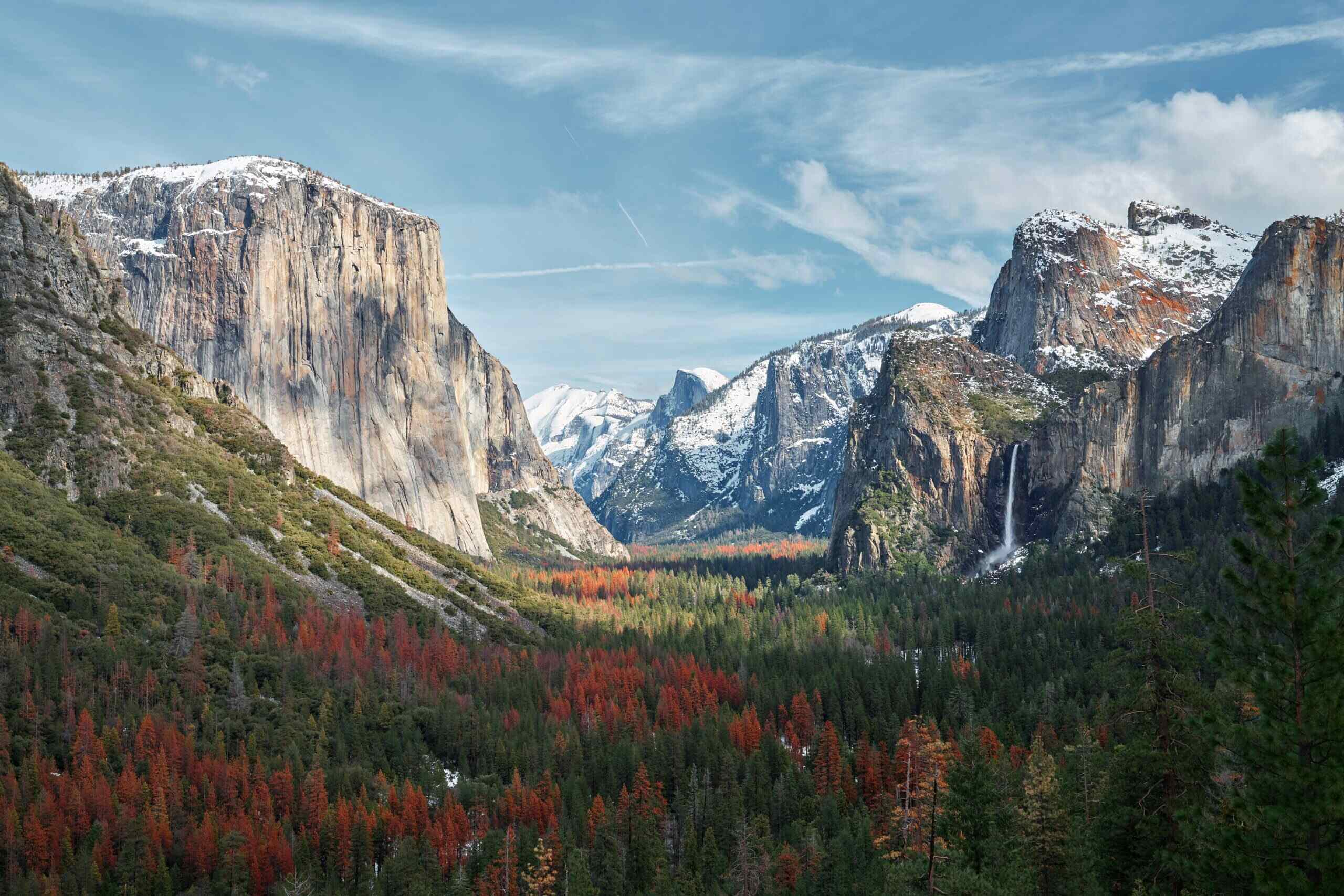
And at Yosemite, where immense granite cliffs, giant sequoias, lakes, and mountain meadows form some of the most recognisable landscapes in the world, visitors will no longer need to reserve in advance, including during the peak summer months and the February to March so-called “firefall” period, when sunset and snowmelt create a lava-like effect at Horsetail Fall on El Capitan. Taking the place of advance bookings will be real-time traffic management measures, including “temporary traffic diversions when parking areas reach capacity and deployment of additional seasonal staff to manage high-use areas.”
Announcing the changes, the NPS said all parks reserve the right to closely monitor visitor numbers and congestion and introduce new measures such as additional staffing or technologies to balance access and safety.