The University of Namur has opened L’Archipel et le Plat Pays: Pages from the Shared History of Belgium and the Philippines (16th to 20th centuries), an exhibition examining four centuries of historical, political, and cultural links between the two countries. The inauguration brought together academics, diplomats, students, and members of the Filipino community for an evening that highlighted the growing role of Philippine studies in Belgian academic life.
Historical research presented through a student-led exhibition
Professor Isabelle Parmentier, who leads the Philippine Studies Programme, welcomed attendees and explained how the exhibition fits within a broader research project at the university. She expressed her appreciation for the support of Senator Loren Legarda and thanked the Embassy of the Philippines for its close collaboration.
Professor Parmentier highlighted that the exhibition is also part of a third-year cultural history course designed to help students engage with history through curatorial and public-facing work. She praised the eleven students for their initiative, teamwork, and creativity in developing the content.
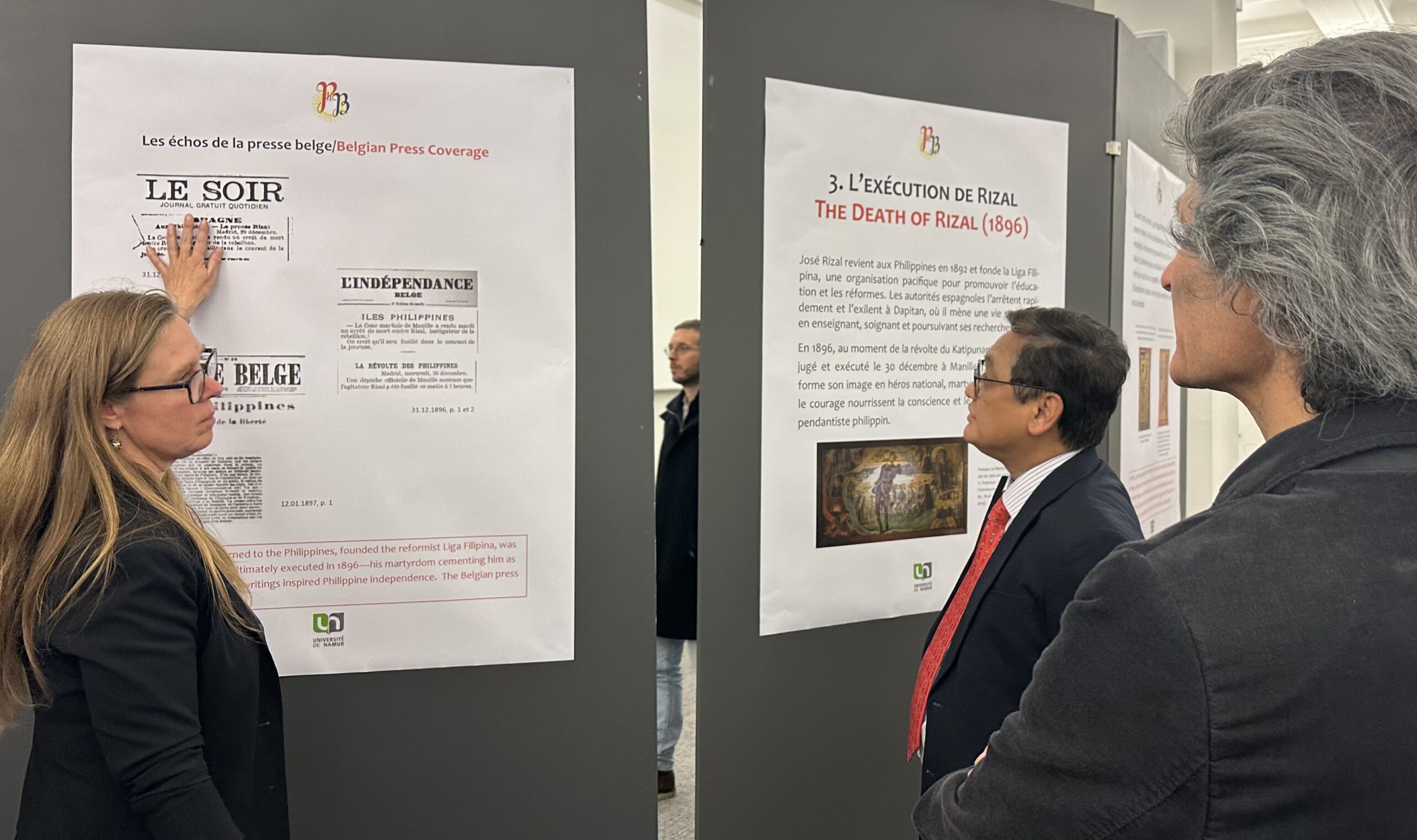
The exhibition presents six historical moments illustrating Belgian-Philippine connections. These include periods of shared sovereignty under the Spanish crown, as well as lesser-known episodes such as King Leopold II’s early interest in the Philippines before shifting his ambitions to the Congo. The selection was guided by available documentation and the extensive archival resources of the university, including rare materials loaned by the university library.
Several works by Belikha, a Brussels-based collective of Filipino artists, are also featured, offering contemporary visual interpretations of José Rizal and his continuing influence.
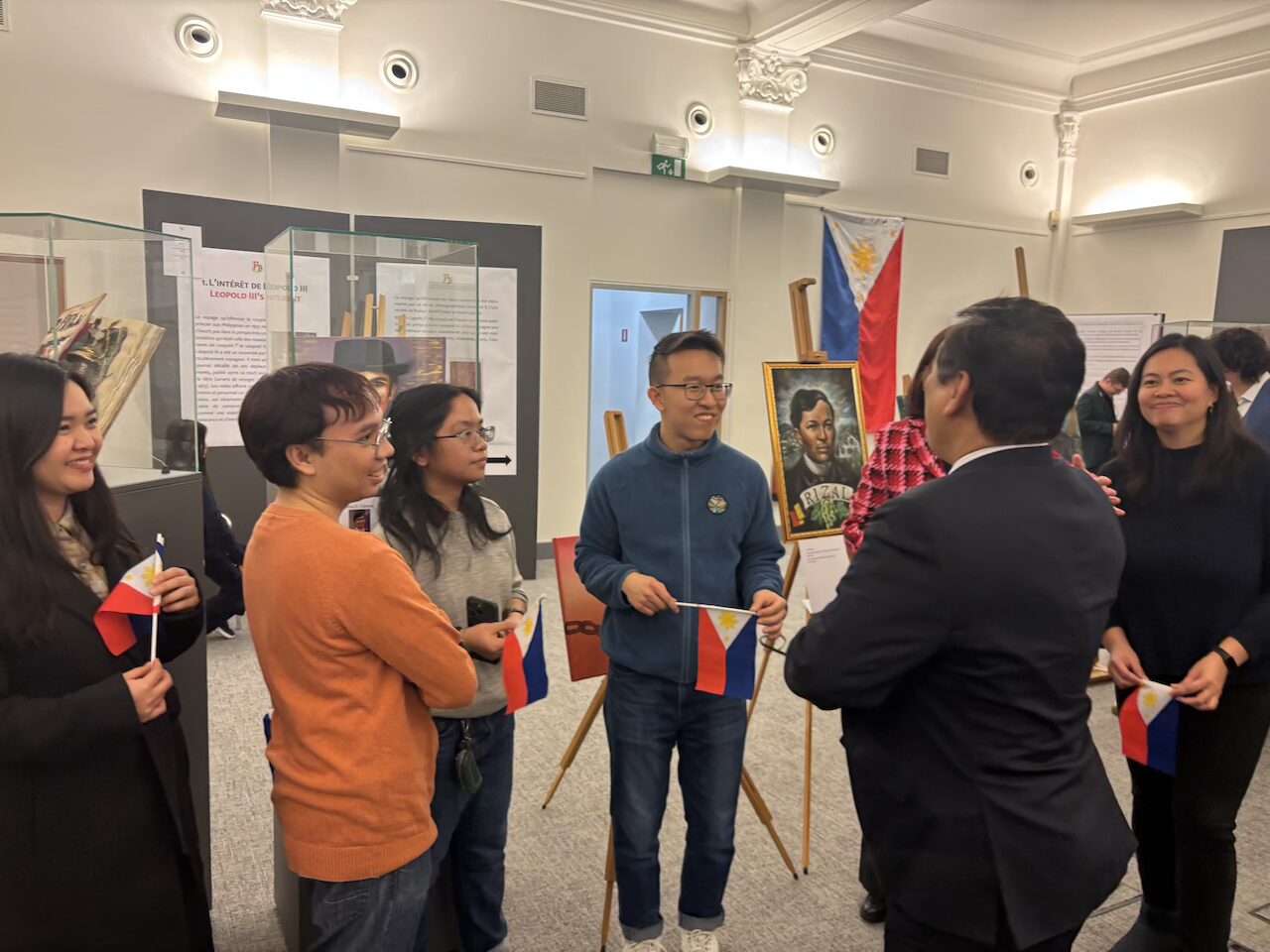
Ambassador highlights cultural ties and upcoming diplomatic milestones
Philippine Ambassador Jaime Victor B. Ledda emphasised the exhibition’s role in deepening mutual understanding. “This exhibit celebrates Philippine culture and how it has been linked to Belgium from the sixteenth century to the present. It is also what the Philippine Studies Programme is all about, celebrating Philippine culture across the world and bridging cultures across time,” he said during the opening.
He noted that 2025 marks the 135th anniversary of José Rizal’s stay in Belgium and the 129th anniversary of his martyrdom. These events, he explained, remain central to the cultural and historical connection between the two countries.
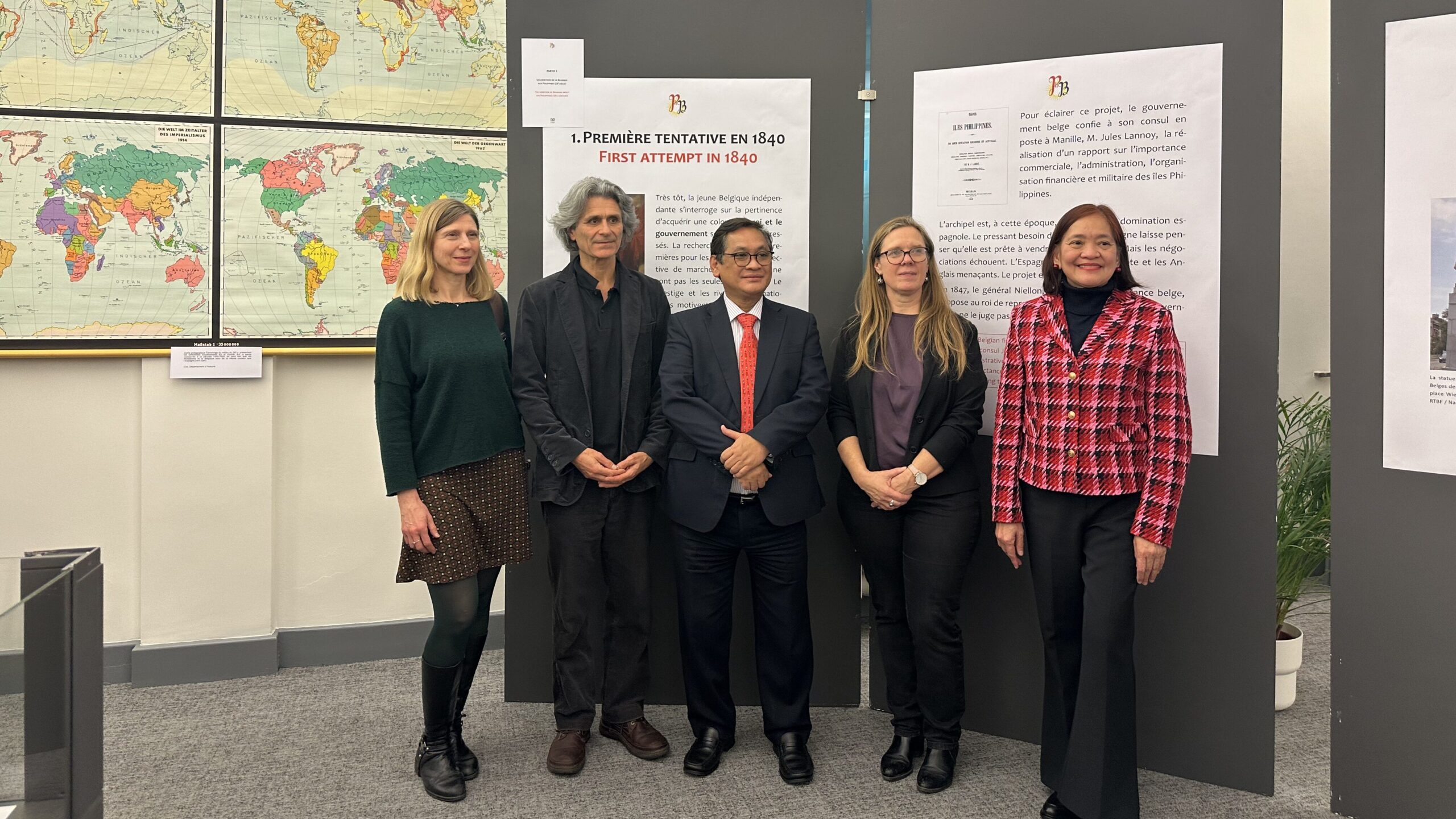
Looking towards 2026, Ambassador Ledda highlighted that next year will mark 80 years of diplomatic relations between Belgium and the Philippines. A series of cultural events will take place across Belgium, coordinated with the Belgian Embassy in Manila, with the aim of strengthening bilateral ties. The University of Namur will contribute through two initiatives: a film and discussion evening centred on the documentary Overseas in February 2026, and the publication of a forthcoming book on Rizal’s time in Belgium.
Exhibition information
The exhibition is hosted at the Business and Learning Centre in Namur. It runs from 4 December to 12 December from 1.00 to 5.00 pm, from 13 December to 1 February by appointment, and from 2 February to 5 February from 1.00 to 5.00 pm. It is closed on Sundays.