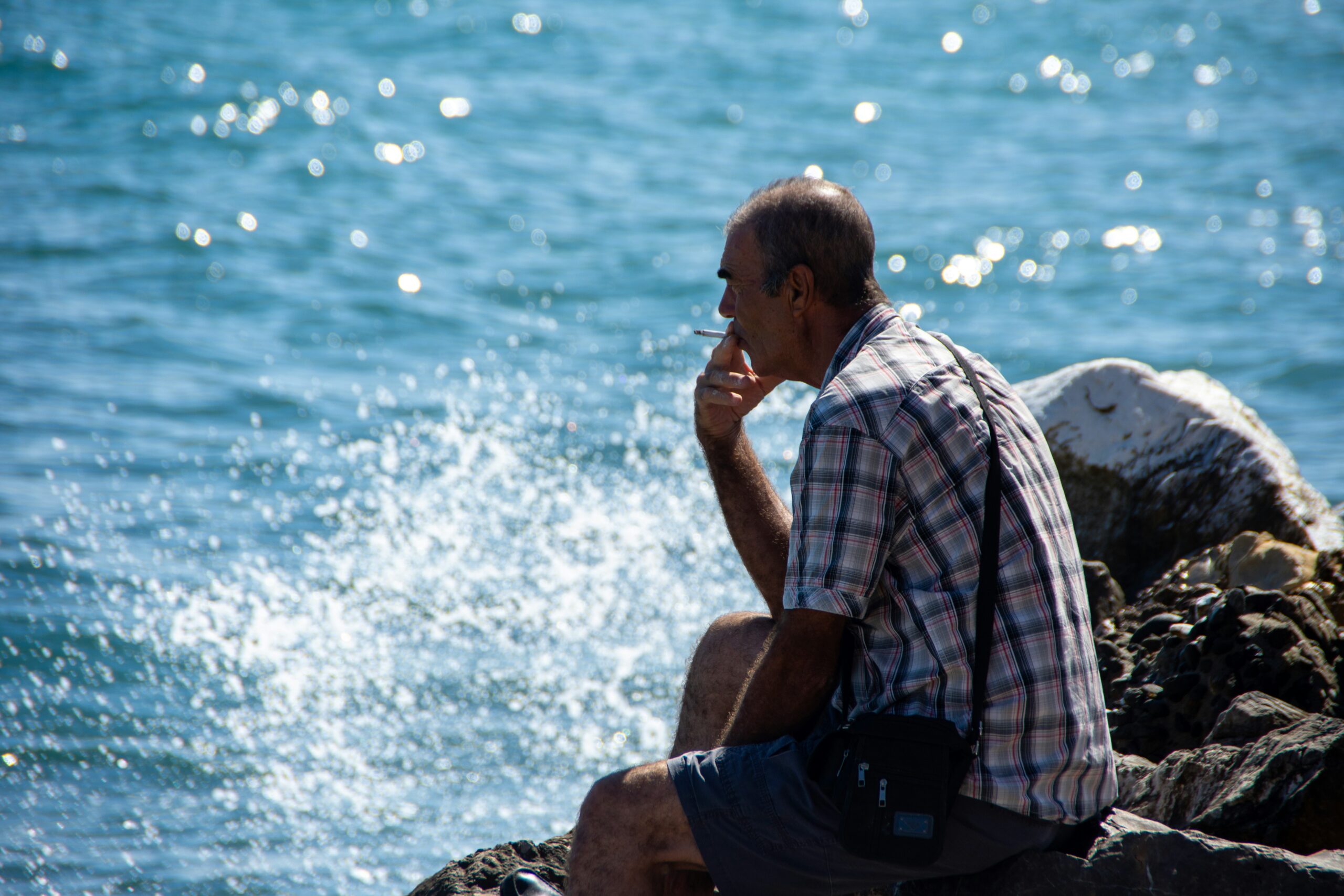



Spanish legislators continue their fight against tobacco consumption, with recent approval from the Council of Ministers for a draft bill that introduces the tightest anti-tobacco reforms seen in Spain for 10 years. The legal overhaul would bring in measures that could change the face of Spanish hospitality.
Under the Comprehensive Plan for the Prevention and Control of Tobacco Use 2024-2027, the new laws promise to prohibit smoking by under-18-year-olds, bring vape and shisha pipe rules in line with those governing tobacco, crack down on marketing activities, and increase the number of places designated as smoke-free areas.
En 2010 celebramos el primer Mundial y la Ley Antitabaco que cambió nuestro país. Hoy volvemos con la segunda estrella.
— Mónica García (@Monica_Garcia_G) July 21, 2026
Aprobamos en Consejo de Ministros el proyecto para ampliar los espacios sin humo y avanzar hacia una generación libre de adicción. pic.twitter.com/h5jtuCXkLy
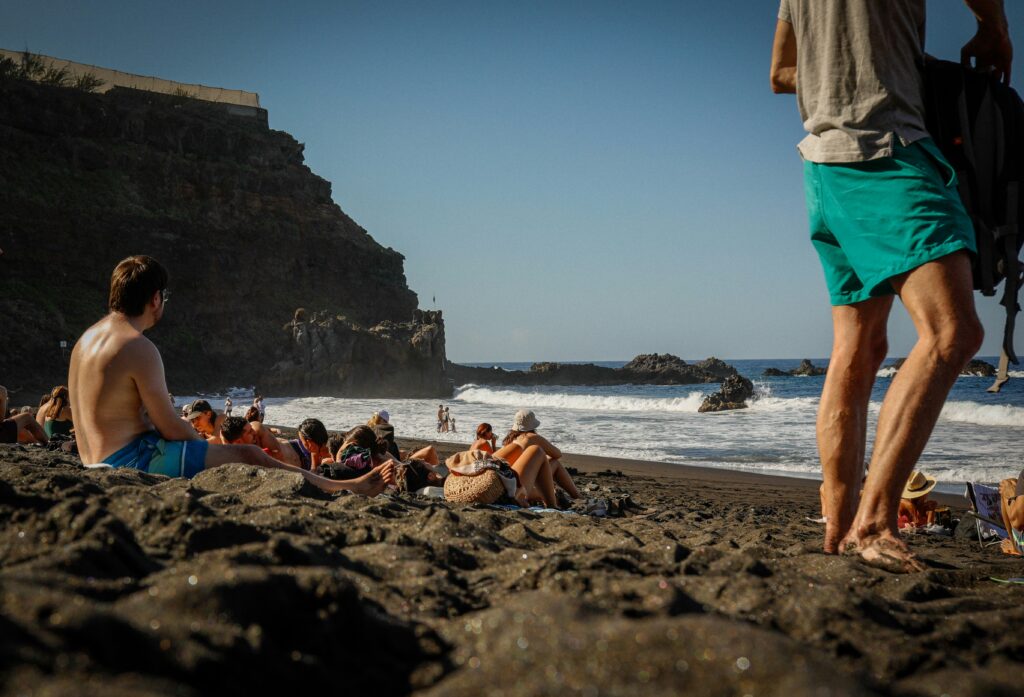
It is the last point that is causing the most debate. The extent of the proposed smoke-free zones is sweeping, from eateries to beauty spots and sports centres, and beyond. Visitors to Spain should be aware that, if greenlit, the laws will mean no smoking or use of e-cigarettes on “the terraces of bars, restaurants and other hospitality establishments, sea and river beaches, public swimming pools, sports facilities, national parks, work vehicles, except when used exclusively for personal purposes, as well as venues where public events are held.”
What’s more, simply standing outside the establishment and lighting up will no longer be possible, thanks to protection zones of 15 metres around cultural centres, hospitals, libraries, museums, playgrounds, schools, sports facilities, and other public buildings.
Amid fears that smokers will stay away from hospitality venues instead of going out and spending, Spanish stakeholder groups have issued criticism of the proposals, arguing they “would have very limited effectiveness, as it could drive smokers indoors to places such as private homes, thereby increasing exposure to second-hand smoke.”
El Consejo de Ministros aprueba el proyecto de ley del tabaco y el proyecto de ley del medicamento. pic.twitter.com/OrsdLblive
— Ministerio de Sanidad (@sanidadgob) July 21, 2026
But, pointing to Spain’s 50,000 annual smoking-related deaths, Health Minister Mónica García explained: “Anyone who wants to have a coffee or enjoy their leisure time freely on a terrace should be able to do so without the smoke from nearby tables becoming part of the menu.”
Holidaymakers in Spain should be aware that, if the reforms come into force, the penalties for offenders will range from €200 to €600,000, depending on the breach. It is important to note that for the first time, it is not only suppliers who can fall foul of the rules. Under 18s who consume tobacco or tobacco-related products can be ordered to perform community service, or be fined too, upwards of €200, which could send a significant part of the holiday budget up in smoke.