

The planned withdrawal of Ryanair from the Azores in March 2026 could result in an annual economic loss of up to €165 million, according to new estimates by business leaders in the Portuguese archipelago.
The Chamber of Commerce and Industry of Ponta Delgada (CCIPD) has warned that the low cost carrier’s exit will have a “substantially significant” impact on tourism, regional GDP and employment, potentially wiping out a large share of the islands’ projected economic growth for 2026.
Up to 390,000 overnight stays at risk
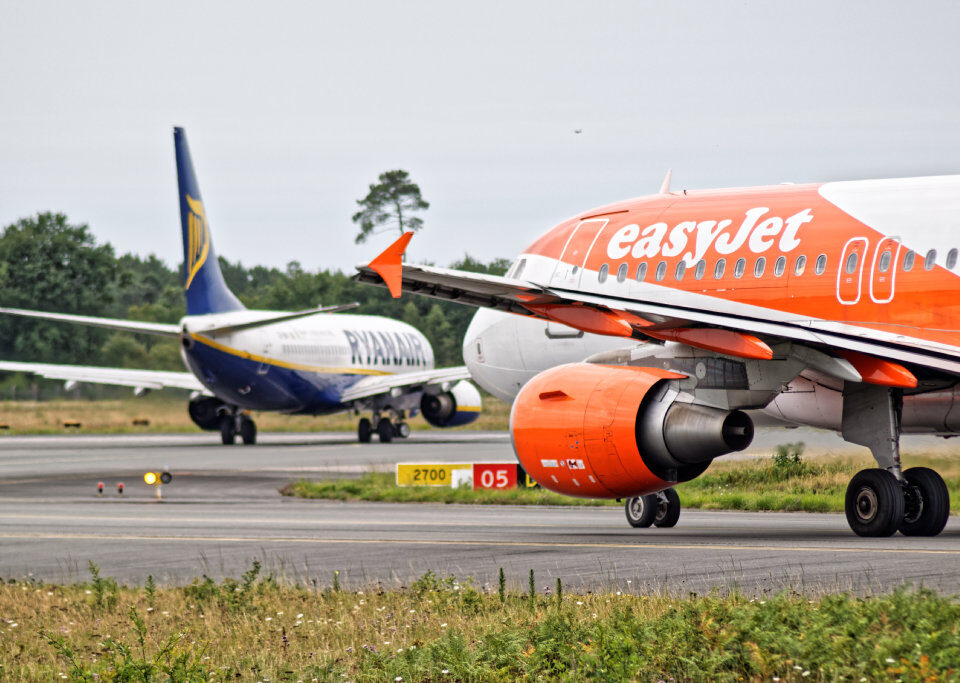
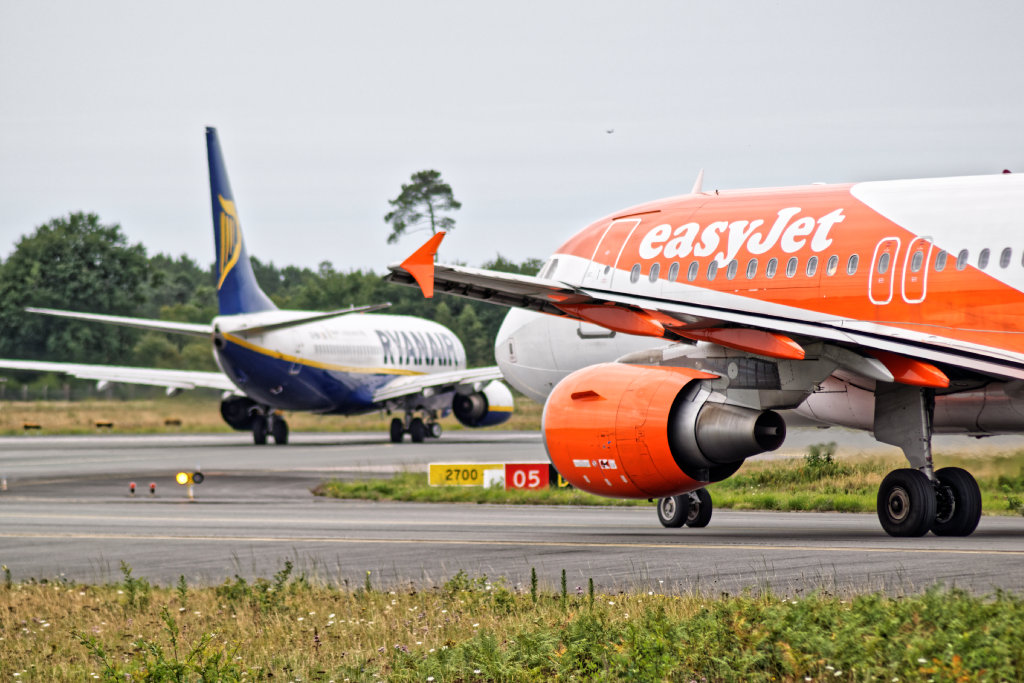
As reported by Travel Tomorrow, Ryanair will cancel all six of its Azores routes from 29 March 2026, removing around 400,000 seats from the market. The airline cited high airport charges imposed by ANA, the Portuguese airport operator, as well as increased air traffic control fees and travel taxes.
Using data from 2023 to 2025 on seats offered and passenger loads on flights to Ponta Delgada and Terceira, the CCIPD’s research office developed two scenarios. Assuming that 60% to 70% of Ryanair passengers are tourists, the airline is estimated to carry between 102,886 and 118,561 visitors to the Azores each year.
With an average stay of 3.3 nights and an average spend of €1,036 per tourist, updated to 2025 prices, the Chamber calculates that Ryanair’s departure could lead to a loss of between 339,000 and 391,000 overnight stays annually.
This would translate into a direct economic impact of between €106.6 million and €122.8 million per year. When indirect and induced effects are included, based on macroeconomic multipliers from an EY Parthenon study on tourism in the Azores, the total impact rises to between €143.9 million and €165.8 million annually.
Potential 1.7% hit to regional GDP
In terms of gross value added, the loss is estimated at between €79.9 million and €92.1 million. Given that tourism accounts for roughly 20% of the Azores’ GDP and that Ryanair represents an estimated 7.5% to 8.7% of total tourist overnight stays, the withdrawal could reduce regional GDP by approximately €90 million to €104.5 million per year.
That equates to a decline of between 1.5% and 1.7% of the GDP forecast for 2026.
“In practical terms, a significant part of the projected growth could be cancelled out by a structural reduction in air connectivity,” the CCIPD said in a statement, stressing that Ryanair has played a key role in improving accessibility, stimulating fare moderation and boosting direct international connections over the past decade.
Business leaders criticise negotiations
Local business representatives have voiced concern that other airlines will not be able to compensate for the loss of Ryanair’s capacity, despite assurances from the Regional Government.
Gualter Couto, President of the Ponta Delgada Chamber of Commerce and Industry, noted that each tourist spends on average €1,036 during their stay, underlining the scale of the potential loss. He also criticised what he described as a lack of professionalism in negotiations with the airline, arguing that a sector representing 20% of regional wealth and serving as the largest private employer must be managed with extreme care.
While flag carriers such as SATA and TAP may reinforce routes or introduce new services, Couto warned that they are unlikely to fully offset the withdrawal of a low-cost operator that has provided year-round competition and additional traffic.

Wider debate over airport fees
Ryanair has blamed what it calls “high airport fees” set by ANA and the Portuguese government for its decision, alongside increased air traffic control charges and the introduction of a €2 travel tax. The airline has also criticised the European Union’s Emissions Trading System, arguing that it disproportionately affects intra-European flights and remote regions such as the Azores.
From spring 2026, one of Europe’s most remote regions will lose direct low-fare connections to London, Brussels, Lisbon and Porto. Although Ponta Delgada airport will retain 22 routes operated by other carriers, analysts question whether these airlines can rapidly scale up to replace 400,000 annual seats.
For the Azores, the debate now centres not only on air fares and airport charges, but on the broader economic consequences of reduced connectivity for an island region heavily reliant on tourism.