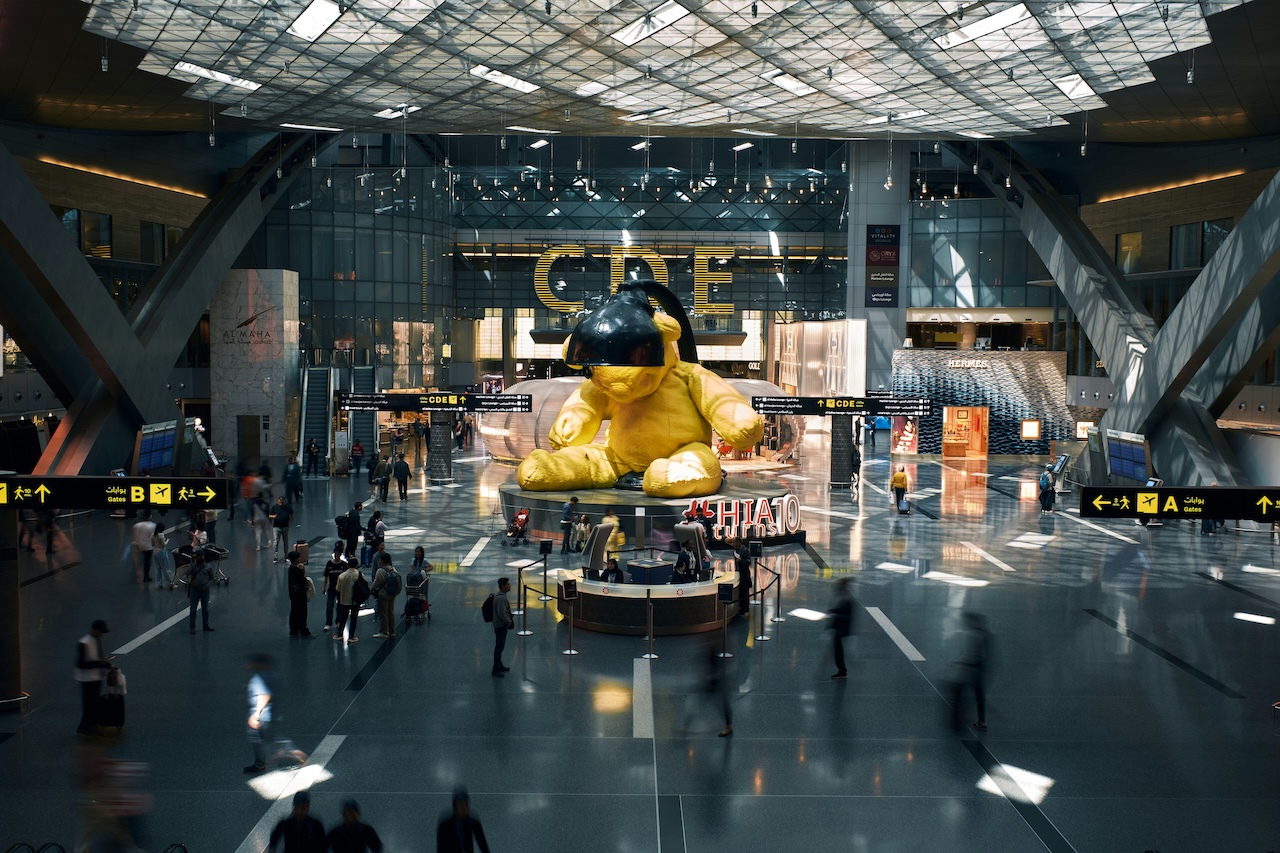



Qatar has joined the United Arab Emirates in covering accommodation and meal costs for travellers stranded in their countries due to the ongoing military strikes between the US, Israel, and Iran, which have led to partial airspace closures across much of the Middle East.
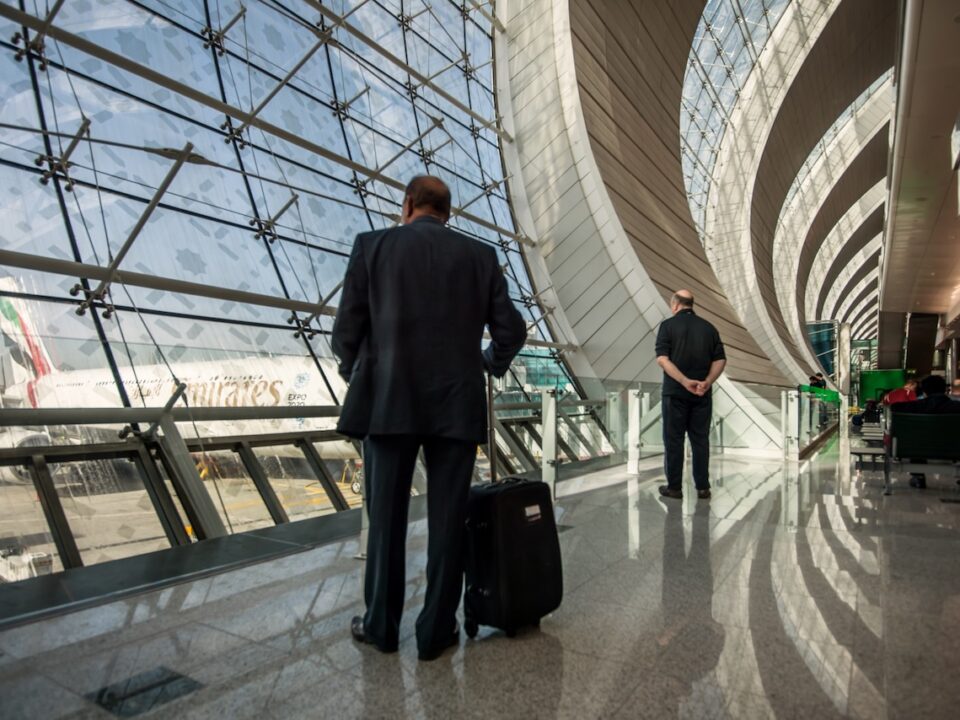
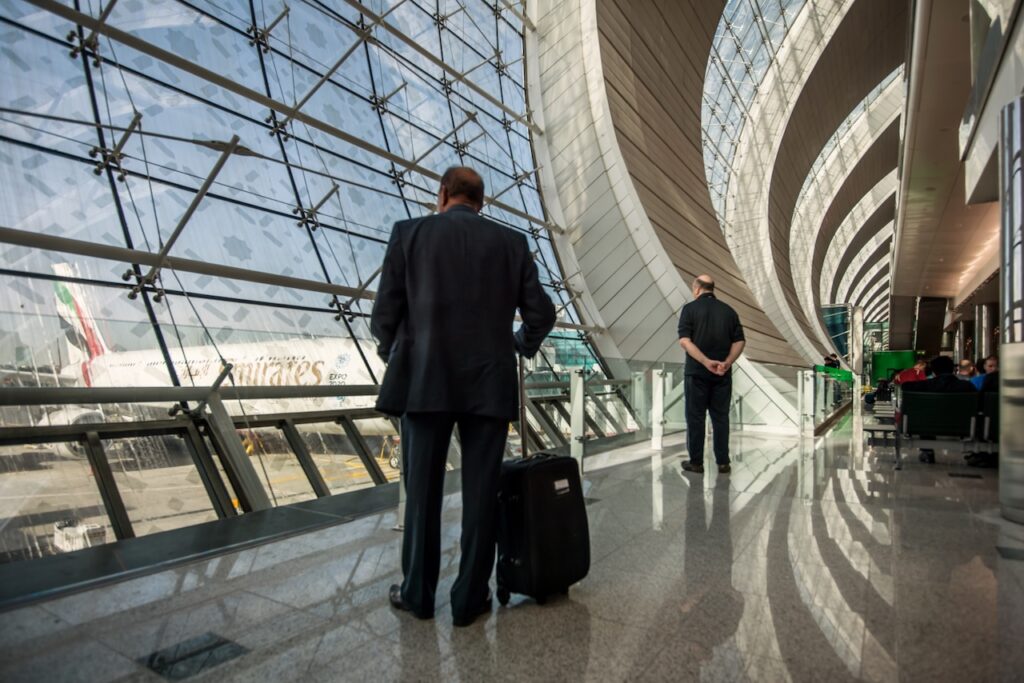
Since military operations began on 28 February, hundreds of thousands of passengers have been unable to leave the region. Dubai, the world’s busiest international transit hub, handled close to one million passengers in transit last year, making the disruption particularly acute.
Both Qatar and the UAE have been targeted by Iranian missiles and drones since hostilities began. While air defence systems have intercepted the majority of projectiles, there have been reports of infrastructure damage and casualties.
On 1 March, the UAE’s General Civil Aviation Authority (GCAA) announced that the state would “bear all hosting and accommodation costs for affected and stranded passengers.”
Regional Airspace Disruption – Operational Update
— Etihad Airways (@etihad) March 3, 2026
All Etihad’s scheduled commercial flights to and from Abu Dhabi remain suspended until UAE time on Thursday 5 March.
Some repositioning, cargo and repatriation flights may operate in coordination with UAE authorities and… pic.twitter.com/p1gW7Af0Kd
“In light of current circumstances, and given that some guests have reached their check-out date but are unable to travel for reasons beyond their control, we kindly request that you extend their stay until they are able to depart,” read a circular issued to hotels by the Department of Culture and Tourism – Abu Dhabi (DCT Abu Dhabi).
“The cost of the extended stay will be covered by DCT Abu Dhabi.”
Similarly, Dubai’s Department of Economy and Tourism (DET) has asked hotels to offer guests the option of extending their stay on the same terms as their original booking. Provisions have also been put in place for travellers who are unable to cover the cost of an extended stay and are advised to contact the DET directly.
More than 20,200 passengers have been directly affected by flight cancellations following successive airspace closures, though the knock-on effect is much broader than that.
Announcement regarding the immediate compliance with official instructions, remaining in homes and buildings, and avoiding going out except when absolutely necessary in order to protect the public safety.#MOIQatar pic.twitter.com/K0q6FcIfgh
— Ministry of Interior – Qatar (@MOI_QatarEn) March 3, 2026
Emirati airlines have cautiously resumed a limited number of flights, primarily to facilitate the repatriation of stranded passengers. These services remain subject to sudden changes depending on the security situation.
Beyond official channels, private initiatives have also emerged. For example, AraBnB, a Dubai-based short-term rental company, announced on social media that it would host stranded travellers free of charge. “If you’re stranded in Dubai tonight, we’re offering a few of our apartments for the night – completely free of charge,” the company posted.
Co-founder Hreshan Raheja told The National the firm had already helped six or seven families. “Most are doing OK given the circumstances. A lot of what people need isn’t just a roof over their head. It’s reassurance, clear information, and knowing that someone is looking out for them.”
The gesture quickly went viral and inspired similar offers of support.
BREAKING NEWS:
— The Charity Guy 🇺🇬 (@roxie_ug) March 1, 2026
Abu Dhabi and Dubai have ordered all hotels to extend stays for those unable to travel due to the current circumstances and the government will cover the cost. pic.twitter.com/GmiGta7anN
At the same time, authorities have warned of a rise in scams targeting stranded travellers, with fraudsters impersonating airline staff or crisis management officials on social media. Travellers are advised to use only verified websites and official communication channels.
Qatar joined the initiative on 2 March, with Qatar Tourism issuing a circular similar to the UAE’s, confirming it would cover stay extensions for stranded passengers.
Travellers who were at the airport when the strikes began were transferred to hotels and other facilities across the country. Among them was French photographer Boby, known on X as @odieuxboby, who documented the experience in real time.
Le snack ne rigole pas du tout. Pomme, yaourt, sandwich. Vraiment c est top. Et il faut reconnaître que le personnel de @qatarairways et @HIAQatar est vraiment incroyable depuis le début. Des amours. pic.twitter.com/aYYMqGuCjp
— BOBY (@OdieuxBoby) March 1, 2026
He noted that guests were being kept safely in their hotel rooms as a precaution and hoped that the situation would not escalate further.
He also shared images of the striking, pyramid-shaped Sheraton Grand Doha resort hotel, which was the country’s first resort hotel when it was built in 1979. He remarked that he had been placed there “by chance by the airline and the government” and commented on the building’s vintage feel and architecture, saying that it was “not without recalling the Galactic Empire.”
From his room overlooking the sea, he pointed out a nearby building lit up at night with Martin Creed’s neon installation, “Everything is going to be alright.”