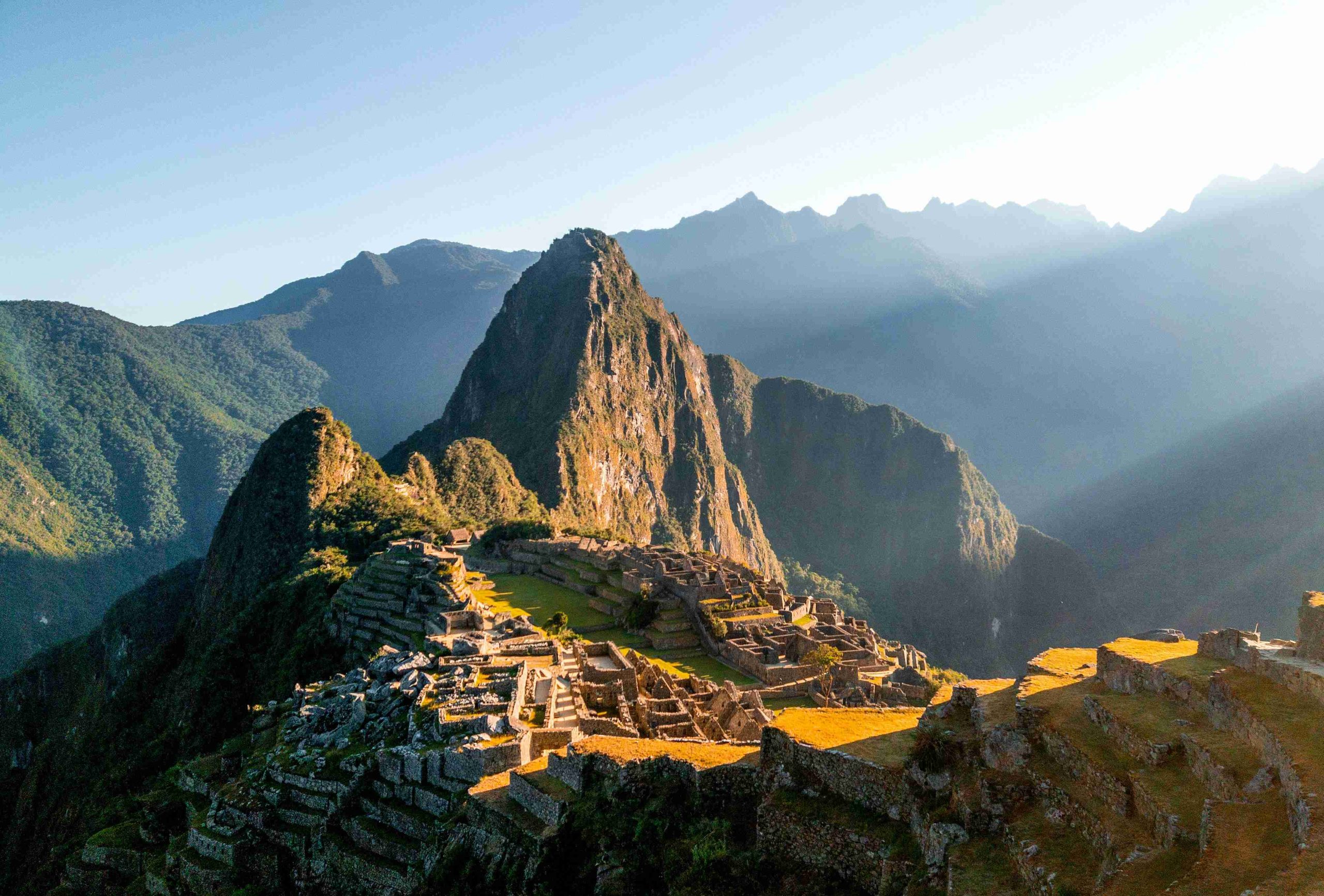



Peru has scrapped the advance ticket reservation system for Machu Picchu in order to make more tickets available to visitors. This decision was made after it was discovered that a large number of tickets held online were never purchased, while others were being blocked for resale.
The UNESCO World Heritage Site, located in the Andes Mountains, is one of the country’s most popular tourist attractions; however, obtaining tickets to visit the 15th-century Inca citadel had become something of a sport.
Following the Ministry of Culture’s decision to eliminate the option of reserving tickets without completing the purchase, this should no longer be the case.
The measure was announced by Peruvian Culture Minister Alberto Beingolea on 11 September and came into effect ten days later. Beingolea explained that the measure is intended to ensure that the “availability shown on the platform corresponds to tickets that can actually be purchased by the public”.
Visitors can still purchase tickets in advance via the official Tu Boleto website, but now have just 15 minutes to complete the transaction or lose their reservation.
Previously, tickets could be held for up to three hours without payment. A government audit of 209,051 reservations made by eight tour companies found that 62.9% were later cancelled, meaning visitors were unable to purchase tickets that appeared to be sold out online, despite never having been paid for.
In an interview with Peruvian radio station RPP on 6 October, Beingolea declared that “the issue of mafias is over”, referring to operators who had been blocking large quantities of tickets with the intention of reselling them later.
As an additional anti-reselling precaution, tickets must now be issued in the visitor’s name and linked to an ID, which must be presented upon entry.
The new system was introduced for an initial 30-day trial period to assess its effectiveness. Depending on the results, the 15-minute purchase window could subsequently be adjusted.
The daily visitor limit to the Machu Picchu Citadel remains unchanged at 5,600 during the high season and 4,500 during the low season. Access to the Inca Trail is capped at 750 visitors per day.
For those unable to purchase tickets online, 1,000 tickets are available for in-person purchase daily at the Ministry of Culture’s ticket office in Machu Picchu Pueblo (also known as Aguas Calientes). These tickets are valid for entry the following day.
⛰️🇵🇪 El ministro de Cultura, Alberto Beingolea, el ministro de @MINCETUR, Rogers Valencia, y el presidente ejecutivo del @SERNANP, José Carlos Nieto, anunciaron importantes mejoras en el sistema de venta de boletos a la Llaqta de #Machupicchu y la Red de Caminos Inka. https://t.co/HV7Xa77R3M
— Ministerio de Cultura (@MinCulturaPe) September 11, 2026
In recent years, Machu Picchu has suffered from overtourism and management problems, with overcrowding, transport disruptions, and difficulties accessing the site having an increasingly negative impact on visitors’ experience.
In September 2025, protests disrupted access to the citadel by rail, while New7Wonders organisers warned that the site risked losing its title due to concerns about excessive tourism pressure, poor visitor experiences, and a lack of sustainable management measures.
Although the new ticketing system aims to improve access, it does not directly address overcrowding or transport difficulties.
Nevertheless, reviews on travel platforms such as TripAdvisor remain overwhelmingly positive.
“There are places you see in photos a thousand times, you think you already know what to expect, and then, when you finally arrive, they still manage to leave you speechless. Machu Picchu is one of these “, wrote a TripAdvisor reviewer who visited the site this month.
So far, the changes appear to be bearing fruit. In early October, Beingolea announced that more than 1,000 tickets were still available for October, 29,000 for November and over 60,000 for December.