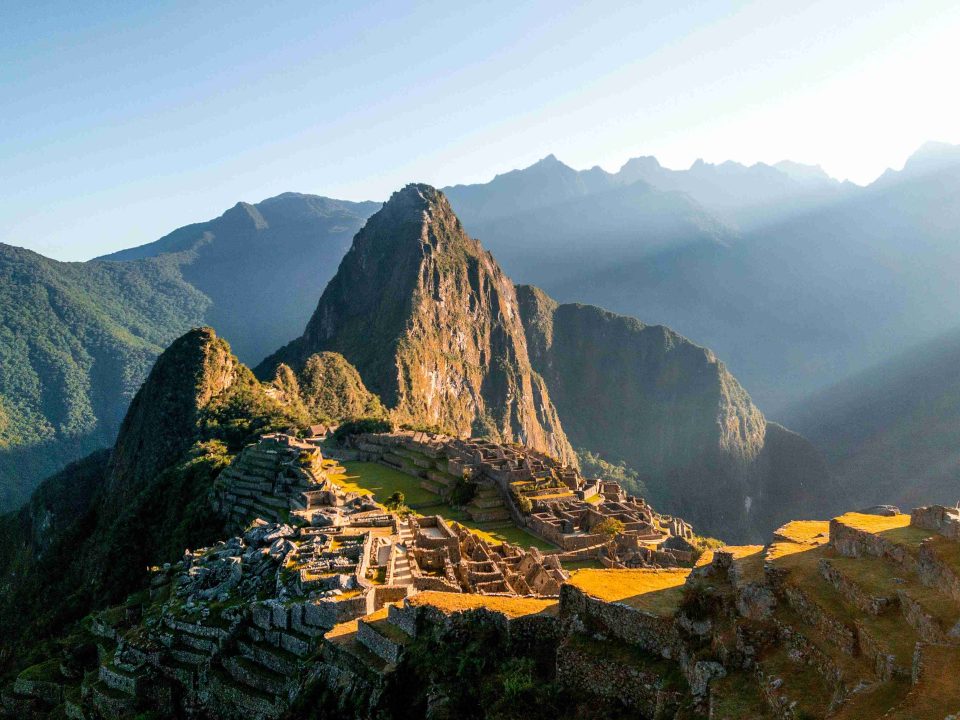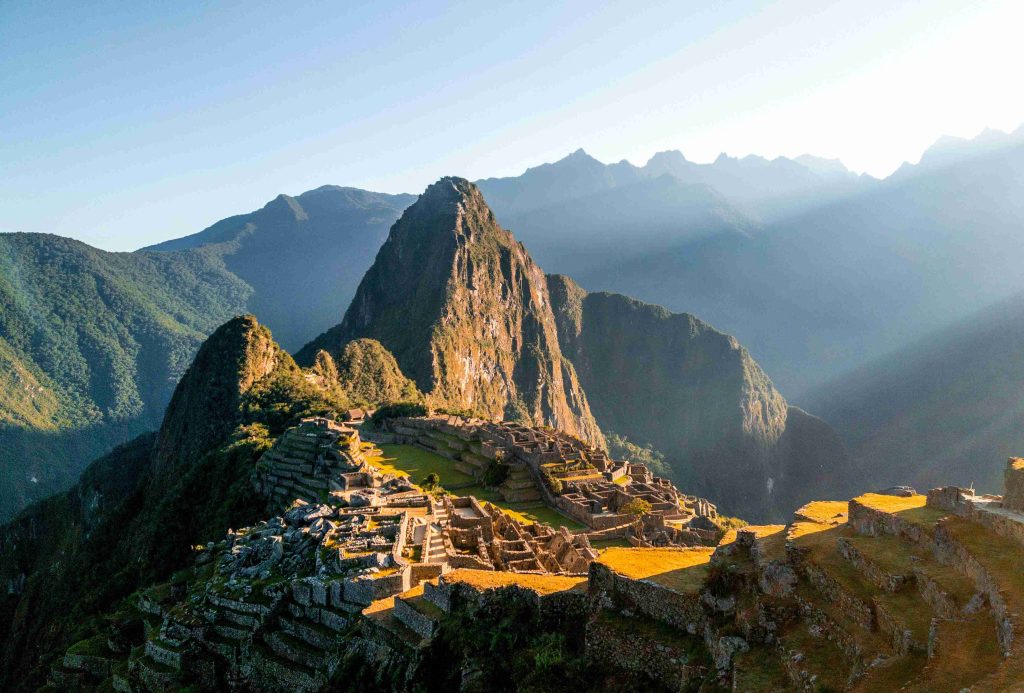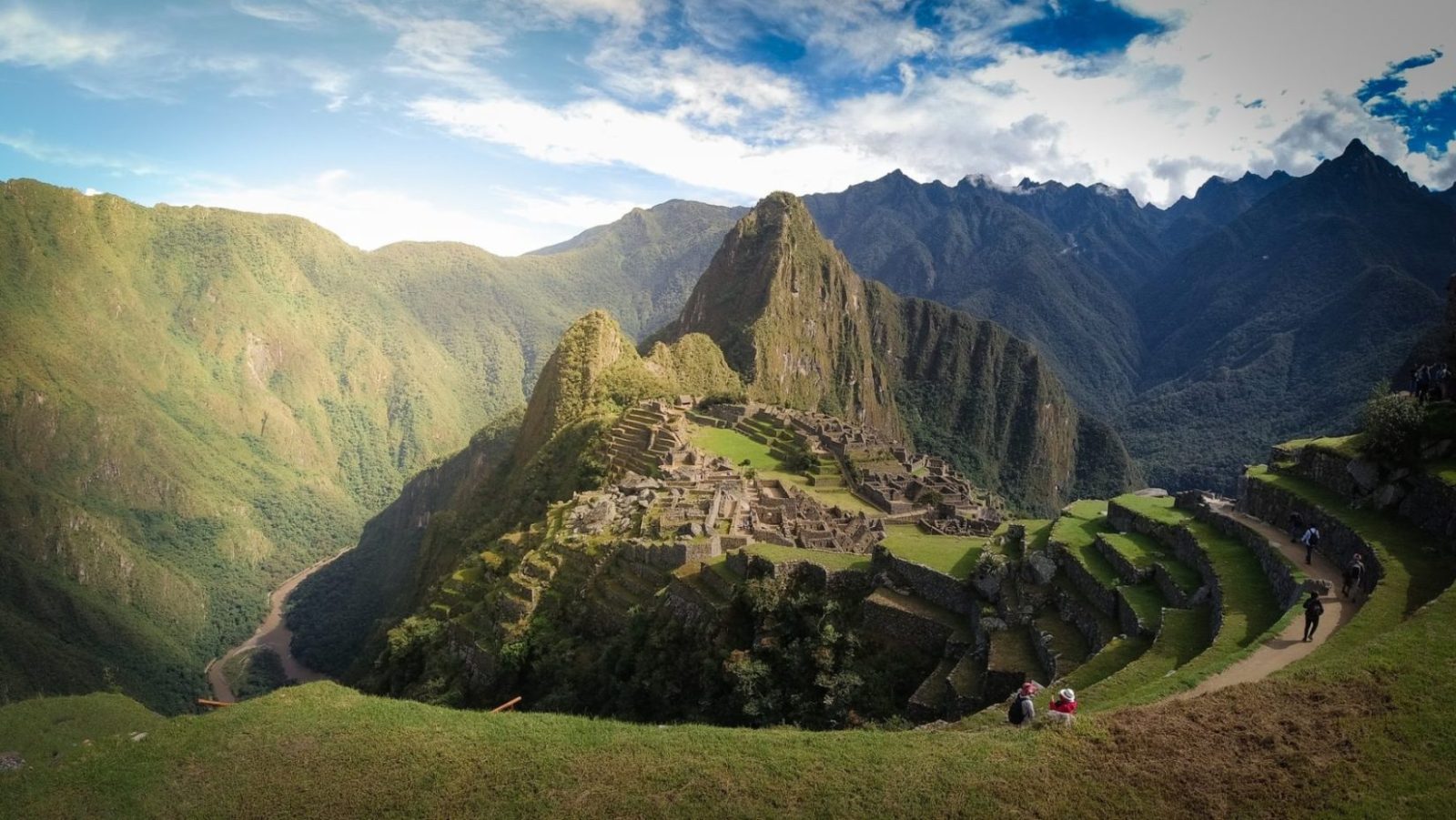



Peruvian authorities appear to have clashed with the organisers of New7Wonders over Machu Picchu and a threat to its designation as one of the new seven wonders of the world – a title it has held since 2007 after gaining 100 million votes from the public.
The New7Wonders project claimed in a statement issued on 13 September that Machu Picchu is in danger of losing its “credibility” as one of the world’s wonders, due to what it says is an increasingly poor visitor experience. The problem stems, the organisation says in an open letter, from “high pressure tourism without any sustainability measures” and “limited management and conservation policies,” as well as rising prices, unregulated ticket sales, the risk of damage to the site, and issues with local transport.
New7Wonders Director Jean-Paul de la Fuente told CNN that the warning letter should serve as “a wake-up call to get the house of Machu Picchu in order. We already have an official representative adviser in Peru itself, who is ready to support the process toward both short-term and more importantly long-term solutions.”
However, Peruvian officials do not seem to have taken kindly to the remarks, to which they have not even directly responded, instead issuing a statement on X appearing to cast doubt on New7Wonders’ own credibility. The Ministry of Culture pointed to UNESCO as “the only competent body to promote the identification, protection and preservation of cultural and natural heritage.”
The Peruvian defence highlights that Machu Picchu, a UNESCO World Heritage site since 1983 (well before it became a new “wonder”), does not feature on the UN’s list of endangered heritage, authorities noted. What’s more, their efforts to improve visitor management and implement monitoring and conservation tools were acknowledged by UNESCO at its 47th World Heritage Committee meeting just two months ago.
El Taller de Campo Machu Picchu 2025 reunirá esta semana a investigadores, expertos de Perú, internacionales y técnicos del Estado para identificar desafíos y cocrear soluciones con el uso de TIC para fortalecer modelos de #TurismoSostenible en #MachuPicchu y Valle de #Urubamba. pic.twitter.com/DhHP7xBTf1
— UNESCO Perú (@UNESCOperu) August 25, 2025
Peru’s dismissal of New7Wonders may draw attention to the fact that New7Wonders has no authority other than “its own activities”, as it admits on its website. Those activities include making money from telephone voting and collecting license fees. It is not strictly a non-profit but is in fact both a foundation and a commercial entity (headquartered in Switzerland and operating under the registration Global Platform Limited). It is similar to the International Olympic Committee or National Geographic. Some might call it a paradox that a body that boasts about the “significantly higher tourism growth rates compared with the worldwide average tourism growth” that it generates for its designated sites, is now raising a red flag about overtourism.
Despite those contradictions, New7Wonders is not entirely wrong when it notes problems at Machu Picchu. Around 1.5 million visitors are predicted to have visited the 15th-century citadel in 2025 alone. Since early September, there have been repeats of transport issues already seen in 2023 as a result of local protests over transport concessions operating routes to the site. Trains have been blocked, and some visitors have found themselves stuck in the thermal spa town of Aguas Calientes (which ironically translates to “hot water”). Peru’s Ministry of Commerce and Tourism, its Ombudsman, and regional leaders in Cusco are all involved in trying to resolve the conflict.