

The escalating conflict in the Middle East between Israel, the US, and Iran is costing the region’s visitor economy “at least US$600 million per day,” the World Travel & Tourism Council (WTTC) estimates.
The losses come amid closed airspace and severe disruptions to aviation and cruises in the Middle East, and a decline in travel sentiment and confidence. The WTTC also noted that connectivity is a key issue, due to the region’s “vital role in global travel,” accounting for five per cent of global international arrivals and 14% of global international transit traffic.
Travel & Tourism remains one of the world’s most resilient economic sectors.
— WTTC (@WTTC) March 11, 2026
The current conflict is estimated to be impacting international visitor spending across the Middle East by around $600M per day, highlighting how vital the sector is to global connectivity.
But history… pic.twitter.com/Ti7JEyJR8R
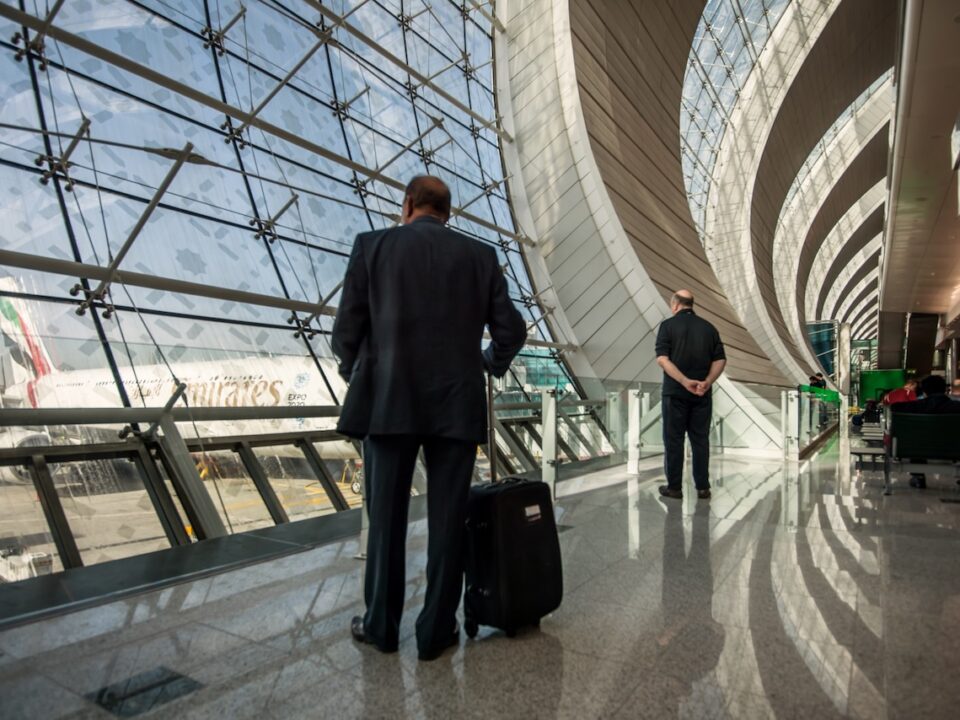
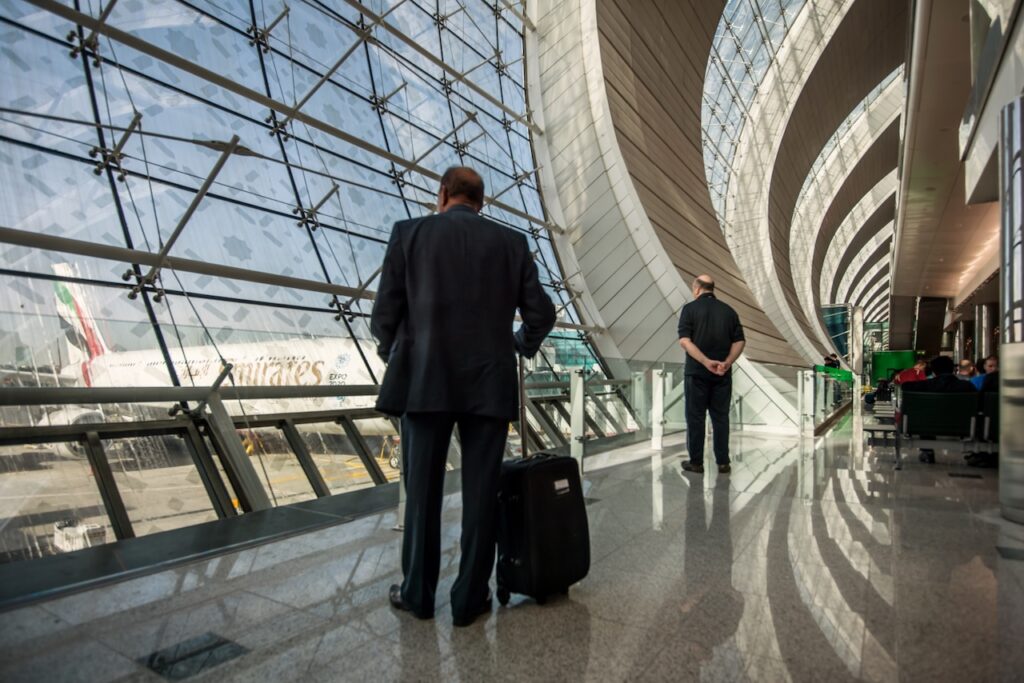
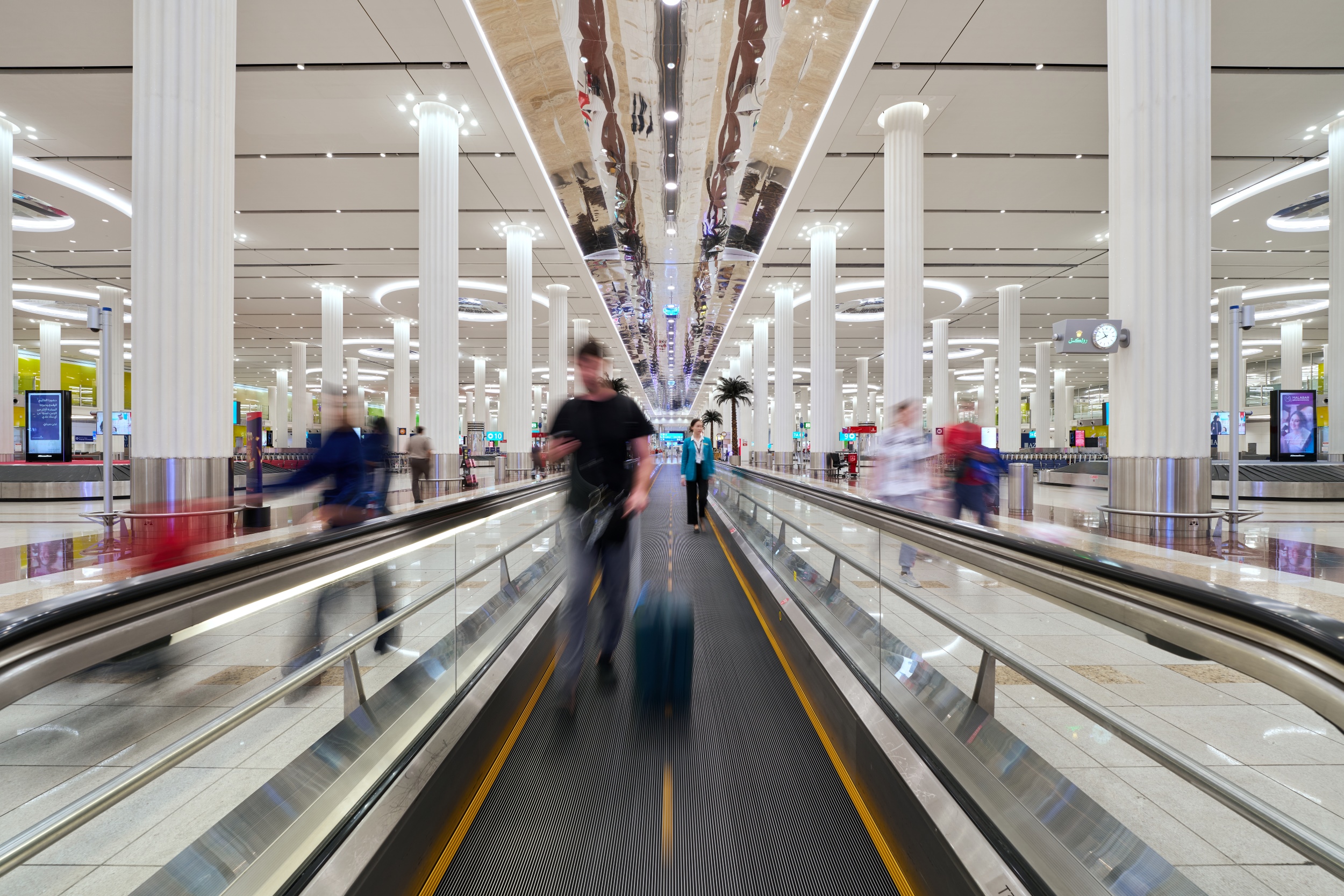
Well over half a million passengers a day pass through Middle Eastern aviation hubs such as the world’s busiest international airport in Dubai, Abu Dhabi, Bahrain, and Doha. These have all suffered closures and wiped schedules as a result of the threat to airspace in the region from missile and drone strikes.
The WTTC explained in a statement that its loss analysis is based on its 2026 pre-conflict forecast for the Middle East. The industry body had projected US$207 billion in international visitor spending across the region this year but now points out that “any disruption to travel flows … quickly translates into substantial economic impact across the tourism ecosystem.”
@WTTC research shows that the Middle East has a strong track record of bouncing back quickly after periods of conflict.
— WTTC (@WTTC) March 6, 2026
The region remains a safe and highly popular destination, home to millions of expatriates whose friends and families travel there regularly, and a tourism… pic.twitter.com/Mncn8tCdhC
But expressing some hope for potential recovery, Gloria Guevara, President & CEO of the WTTC, noted that travel and tourism “is the most resilient of sectors” and claimed that “history shows that the sector can recover quickly, especially when governments support travellers through hotel support or repatriation.” Guevara pointed to the WTTC’s analysis of previous crises, which she said, “demonstrates that security-related incidents often see the fastest tourism recovery times, in some cases as quickly as two months, when governments and industry work together to restore traveller confidence.”
The two-month recovery timeframe echoes forecasts from Oxford Economics analysts who looked at two different scenarios for the conflict: a short-lived conflict over towards the end of March 2026, and a longer-term crisis lasting two months. The economic impact of the first would last into Q3, while longer-lasting military action could affect some countries in the region until the end of 2026, triggering losses of up to US$56 billion.
To support as swift a recovery as possible, Guevara has called for “clear communication, strong coordination between the public and private sectors, and measures that reinforce safety and stability,” all described as “critical to rebuilding trust with travellers and supporting the sector’s recovery.”
No clear timeframe for the end of the conflict has yet emerged, with US President Donald Trump varying in his estimates and Tehran saying it will decide when the crisis is over.