Recent statements by the Japanese Prime Minister have sparked a response from China, leading the Japanese tourism-related stocks to plummet on Monday, 17 November 2025. An envoy has been sent to China in order to try and calm the situation.
Earlier in November 2025, Japanese Prime Minister Sanae Takaichi stated that the use of military force in Taiwan could be considered as a “survival-threatening situation” for Tokyo, suggesting that Japan’s military could be forced to intervene in such a case. China has been wanting to “reunify” the self-ruled island of Taiwan with its territory for years, but due to its proximity to Japan and the possible impact of such a unification on trade, Tokyo has been concerned about the matter for as long.
🇯🇵 🇨🇳 The #Chinese government has issued a warning to its citizens to refrain from visiting #Japan – a move likely to have a significant impact on the latter's tourism industry.
— FRANCE 24 English (@France24_en) November 17, 2025
The warning came after Japanese PM Sanae Takaichi's comments pertaining to #Taiwan. pic.twitter.com/A3gV9ldlWl
An envoy was sent to calm the situation
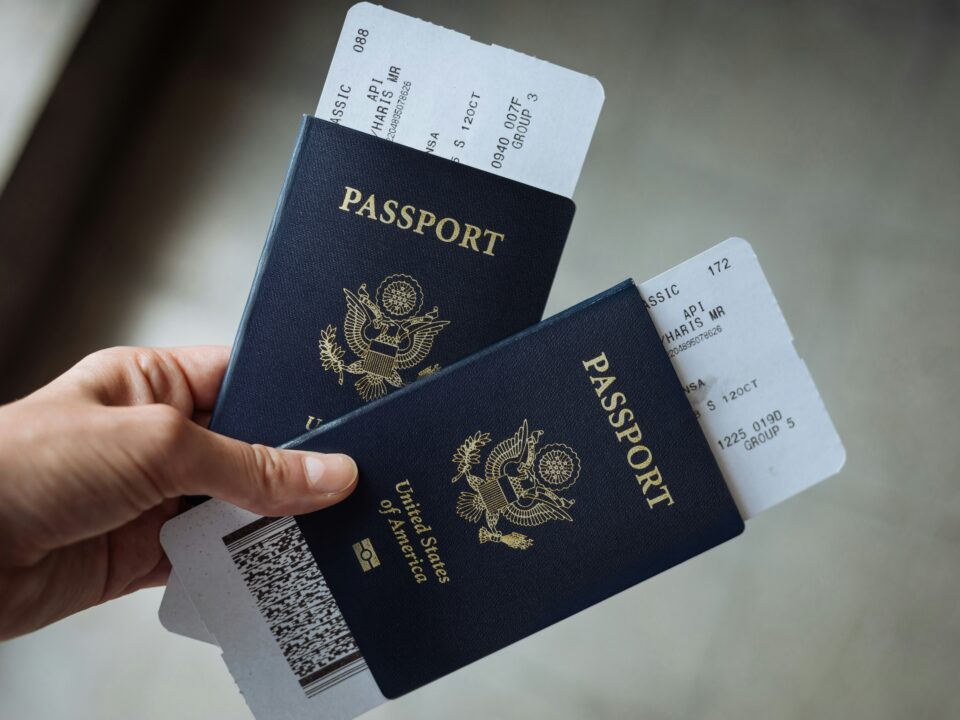
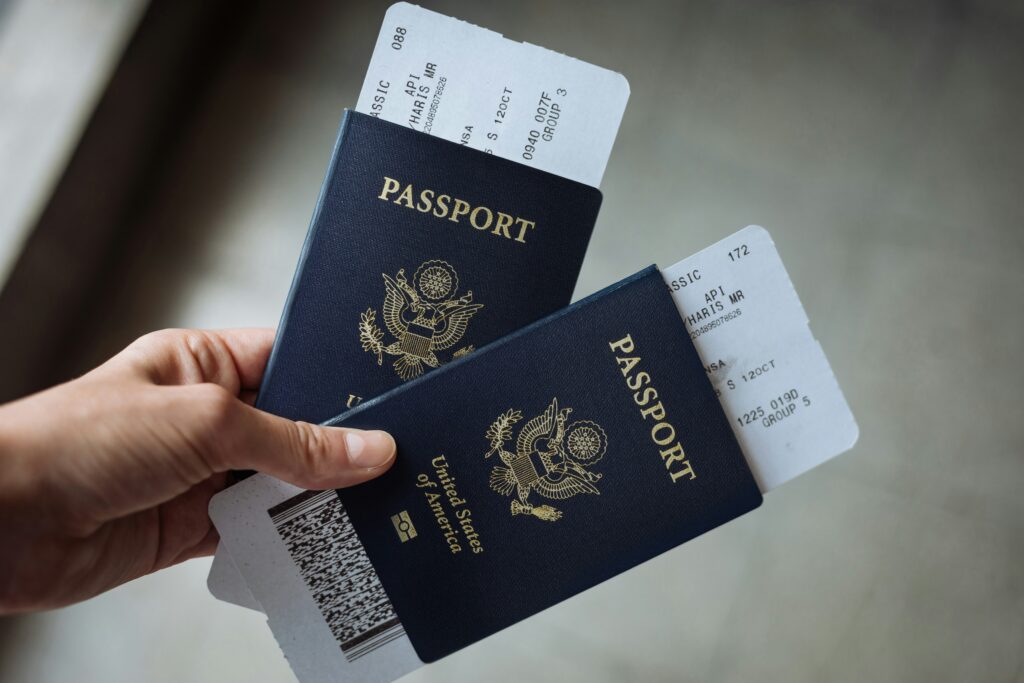
On Friday, 14 November, China’s Ministry of Foreign Affairs responded to those remarks by issuing a new travel advisory for Chinese citizens travelling to Japan. Beijing advised against travelling to the country, saying their personal safety and lives could be in danger. Following that renewed advisory, Chinese airlines have been offering full refunds or free itinerary changes for flights to Japan, the fourth-most popular outbound destination for Chinese travellers during the first 11 months of 2024, according to Citibank.
🇨🇳🇯🇵China's reaction to Japan's attempt to invade Chinese territory again is not "overreaction," it’s the consequence of something far simpler:
— 𝘊𝘰𝘳𝘳𝘪𝘯𝘦 (@OopsGuess) November 18, 2025
Japan keeps pretending to be Asia’s Israel, a perpetual victim, morally untouchable, forever wronged, while erasing the fact that it… pic.twitter.com/ZZQAypxsjc
When the Japanese stock market opened on Monday, 17 November 2025, the consequences of the escalating conflict between the two countries were hard to miss. Tourism-related stocks plummeted, including those of department store group Isetan Mitsukoshi (-11%), Japan Airlines (-4%), and cosmetics company Shiseido (-9.5%).
Moreover, as China is Japan’s biggest source of foreign tourists, the impact on its economy could be major if the conflict and the negative travel advisory persist. According to an economist at Sumitomo Mitsui Banking Corporation, Ryota Abe, a total stop in Chinese arrivals could mean a 0.5% shrinkage of Japan’s gross domestic product.
#BREAKING 🇨🇳#China today held consultations with senior🇯🇵#Japanese diplomat, who was urgently dispatched to Beijing to cool down the boiling diplomatic tensions.
— Shen Shiwei 沈诗伟 (@shen_shiwei) November 18, 2025
China urges #Japan to withdraw PM @takaichi_sanae's wrongful remarks, which implied potential military intervention in… pic.twitter.com/n1AuvksoIA
In an attempt to ease the situation, the director-general at Japan’s Ministry of Foreign Affairs, Masaaki Kanai, has been sent to China. On Tuesday, 18 November, he is scheduled to meet his Chinese counterpart Liu Jinsong. Previously, Japan’s Chief Cabinet Secretary Yoshihide Suga already stated that the travel advisory issued by China was inconsistent with mutually beneficial ties, requesting “appropriate steps” from Beijing in order to set the situation straight. So far, that request has not prompted any response.