It’s that time of year again when the United States government and Congress must try to agree on spending for the new fiscal year. Since 1980, this process, intended to bring checks and balances to the political system, has instead resulted in the shutdown of national services on average every four years, as the budget is weaponised by political adversaries. So, what does 2025’s shutdown mean for the travel and tourism sector?
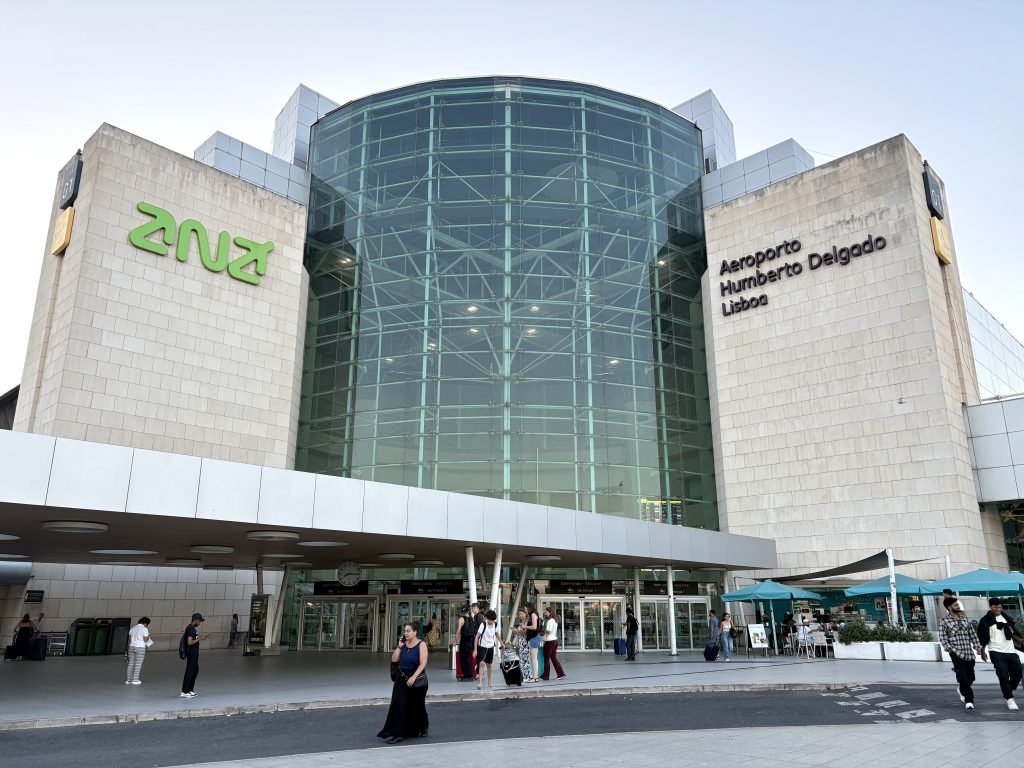
Firstly, airport workers, such as air traffic controllers, are officially classed as “essential workers” and as such are expected to work by the Transportation Department. But, during a budget crisis, they will receive no pay for doing so, meaning some of them, understandably, might refuse to comply, or choose to work-to-rule, or even be unable to afford to pay for transport to get to the office. Depending on how long the shutdown lasts, this could result in fewer staff at airports and lead to cancellations, queues, and delays.
Second, federal employees run the US National Park Service. Officials there have told CNN that their response to the budget crisis is still in draft phase, but it is likely to resemble 2024’s contingency plan, meaning most of the country’s 433 parks could be closed to the public for the duration of the shutdown. Popular sites such as Arizona’s Grand Canyon, which attracted 4.9 million visitors in 2024, or California’s Yosemite (4.1 million visitors) could therefore become inaccessible or be supported by limited staffing, making hiking and other activities dangerous.
During the federal government shutdown, this account will continue to share critical information about park access, safety, and resources.
— Grand Canyon NPS (@GrandCanyonNPS) October 1, 2025
Grand Canyon National Park is open; however, some visitor services may be reduced. https://t.co/P9gi3nEJdz (73009)
For more details,… pic.twitter.com/cPENw8om5v
Park closures also have a knock-on effect. With key staff on furlough, vital maintenance and protection for natural monuments and landscapes is weakened. What’s more, other businesses, such as restaurants, hotels, service stations, and outdoor gear suppliers, suffer. It’s possible, therefore, that visitors to remote areas will find it’s not only the parks that are closed, as businesses with low footfall try to economise and limit the damage to their bottom line.
Some museums, zoos, and other attractions might also be closed to the public. The Smithsonian Institute’s 19 museums and zoos across Washington State and New York have announced they will “use prior-year funds to remain open to the public during the federal government shutdown at least through Monday, 6th October, 2025. Updates will be posted as needed on the Smithsonian’s website.”
In the event of a government shutdown, our museums, research centers, and the National Zoo will remain open through at least Monday, Oct. 6. The Smithsonian will use prior-year funds still available to us to remain open. Visit https://t.co/dTRIrmpUDJ for updates. pic.twitter.com/oqeAIi6oev
— Smithsonian (@smithsonian) September 30, 2025
Overall, the message is that anyone planning a visit to the US during the shutdown should check the status of their flight or other transport carefully, and check whether the destinations on their wishlist will remain open, which could be the case for some. Park authorities in Utah, for example, have already committed on the state government website to keeping their natural areas “accessible.”
It’s also worth bearing in mind that the travel and tourism sector does wield an unusual power in the event of federal budget stand-offs. In 2019, it was a walkout by air traffic controllers at LaGuardia Airport in New York that helped to unlock the funding crisis. By causing a significant impact on inbound and outbound flights and connections, the New York withdrawal of (unpaid) labour helped spur a resolution to the issue.