As Europe grapples with the impacts of overtourism, regions are rethinking how to manage visitor flows in ways that sustain both local economies and communities. That challenge took centre stage during a panel discussion hosted by the Network of European Regions for Competitive and Sustainable Tourism (NECSTouR) under the theme Better Balanced Tourism in Europe’s Regions.
“Regions face challenges in sustainability, resilience, and infrastructure. Climate impacts, extreme weather, and economic difficulties also affect local communities’ well-being,” said MEP Elena Kountoura, Vice-Chair of the Committee on Transport and Tourism & Member of the European Parliament Tourism Task Force (TTF). “We need a balanced approach to tackle these issues.”

Members of the European Parliament (MEPs) explored how countries can involve local communities in co-designing tourism strategies and explored other approaches to balance tourism across different regions.
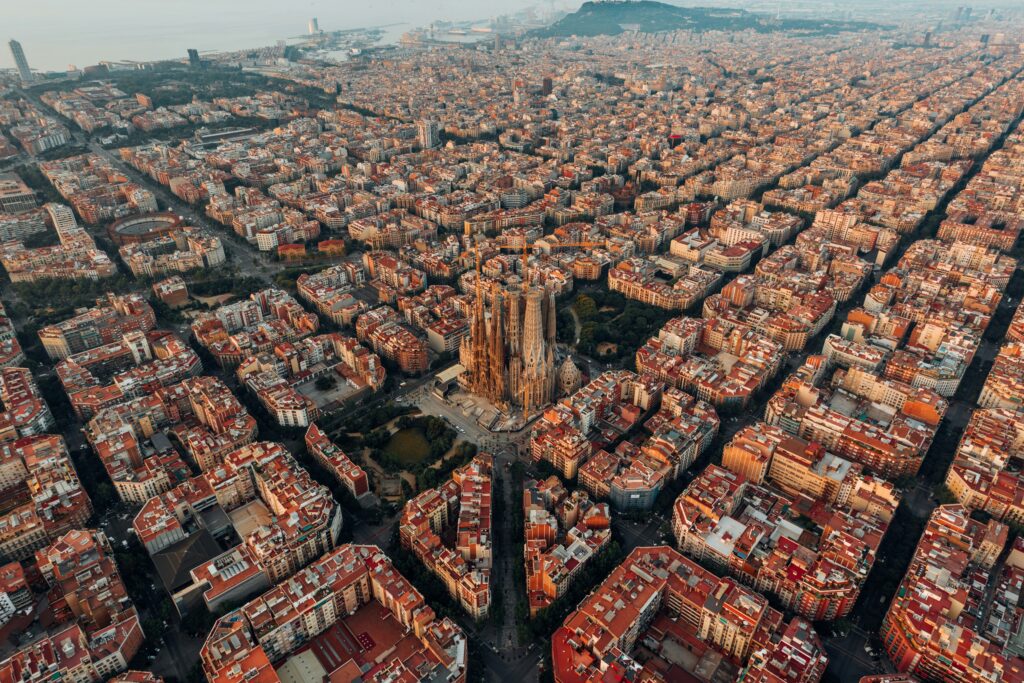
A speech was delivered on behalf of Elena Baena, President of NECSTouR, who was unable to attend due to a national strike in Belgium. “This event is the perfect place to network and exchange ideas. The theme Better Balanced Tourism in Europe’s Regions has been a priority since 2018, when we launched the Barcelona declaration,” Baena’s speech read. “Our problem is not too much tourism but how we manage it. With the publishing of the European Tourism Strategy next year, we will have the opportunity to make tourism stronger, greener, and fairer. The timing is perfect.”
“Communities have to be satisfied with tourism because if they are not, they cannot see its benefits,” noted MEP Nikolina Brnjac, Member of the Committee on Transport and Tourism. Echoing this sentiment, MEP Daniel Attard and Rapporteur of TRAN report 2025/2120 (INI) for European tourism – destination management and regional tourism growth, explained that to do this, tourists should be able to visit local communities.
Στις Βρυξέλλες συμμετείχα ως ομιλήτρια σε εκδήλωση της NECSTouR – του Ευρωπαϊκού Δικτύου Περιφερειών για τον Βιώσιμο Τουρισμό – με θέμα «Ισορροπημένος Τουρισμός στις Περιφέρειες της Ευρώπης».
— Έλενα Κουντουρά (@ElenaKountoura) October 14, 2025
Συζητήσαμε στρατηγικές για βιώσιμη ανάπτυξη και διαχείριση των τουριστικών ροών, μαζί… pic.twitter.com/mOYA14OLa8
“Local communities want tourists to visit them, and we need to create better connectivity for that,” said MEP Attard. He described connectivity as “a fundamental right” not just for tourism but also for cities and regions in general, helping authorities better manage tourists. “Many tourists would like to visit different regions in Europe, but they simply cannot,” he explained. “We have to invest not only in train but also in air and maritime, because island states depend solely on aviation.”
Additionally, MEP Attard also called for targeted regulation of short-term rentals to address part of the tourism imbalances. “We must separate professional from non-professional landlords,” Attard urged, emphasizing that multinational companies buying up multiple properties in concentrated areas should face scrutiny, not working-class families relying on a single secondary property for extra income.

Highlighting another pressing issue, MEP Attard addressed the challenges posed by cruise liners, drawing from his experience in a country flooded with daily cruise arrivals year-round. “When a cruise liner enters port, masses of people flood the city, causing chaos with traffic and prices, yet most don’t even eat locally—they return to eat on board,” he noted. To counter this, Attard advocated for incentives to encourage longer cruise stays, including overnight docking and investments in shore power to slash port emissions by up to 90%. “I don’t want to restrict but to better manage the industry, so it can grow in a sustainable way,” he said.
Agreeing with the importance of better cruise liner management, Maja Bakran, Deputy Director General of DG MOVE, recognised the need for collaboration to manage tourism flows. “There will be different solutions, but regions should help each other. We are a network, and we have to strengthen our cooperation,” she advocated.

To highlight practical solutions, Visit Flanders and Visit Skåne shared their innovative approaches to tackling unbalanced tourism.
Visit Flanders – Belgium
Visit Flanders aims to promote tourism that is beneficial not only for visitors but also for residents, entrepreneurs, and the environment. Under the slogan Travel to Tomorrow, the organisation focuses on spreading tourists over space and time. One of the strategic teams, Flanders Naturally, aims to develop and promote nature experiences, including walking, hiking, and water activities. To achieve this, Visit Flanders designed Flemish Parks, a collaboration between Visit Flanders, local authorities, and five Flemish government agencies.

Each park follows a master plan with secure funding that unites conservation, accessibility, and tourism. “We aim for balance by aligning all these stakeholders, and our long-term goal is achieving a flourishing destination, Flanders,” added Brouwers. This collaborative approach acts as a framework to ensure tourism is a beneficial rather than a detrimental force, achieving this through bottom-up participation, careful monitoring, and knowledge exchange.
Uncrowded – Sweden
In the southern Swedish Skåne region, rising visitor numbers have begun to strain its varied natural environments, leading to overcrowding, ecological damage, and declining visitor satisfaction. To tackle these challenges, Visit Skåne launched Smart Nature—a data-driven initiative modeled on smart city concepts—aimed at distributing visitor flows more evenly across the region’s outdoor areas.
The project focuses on developing and testing digital tools to manage visitor density, minimize environmental impact at popular sites, and enhance the overall visitor experience by helping people make better-informed decisions about when and where to go.

Since its start in 2022, Smart Nature has progressed through workshops, pilot programs, and the creation of the digital service Uncrowded, which delivers real-time and predictive data on visitor pressure at key natural destinations. As Max Granström, CEO of Visit Skåne, puts it, “What if we could develop a solution where, before going to the site, you could find out the current situation or even a forecast? What if I could then make informed decisions on whether to go to alternative sites?”
Using parking sensors, AI, and weather information, Uncrowded visualises crowding levels to encourage travellers to visit less busy spots or choose alternative times. Expected outcomes include reducing environmental strain, improving visitor satisfaction, and spreading tourism benefits to more destinations.