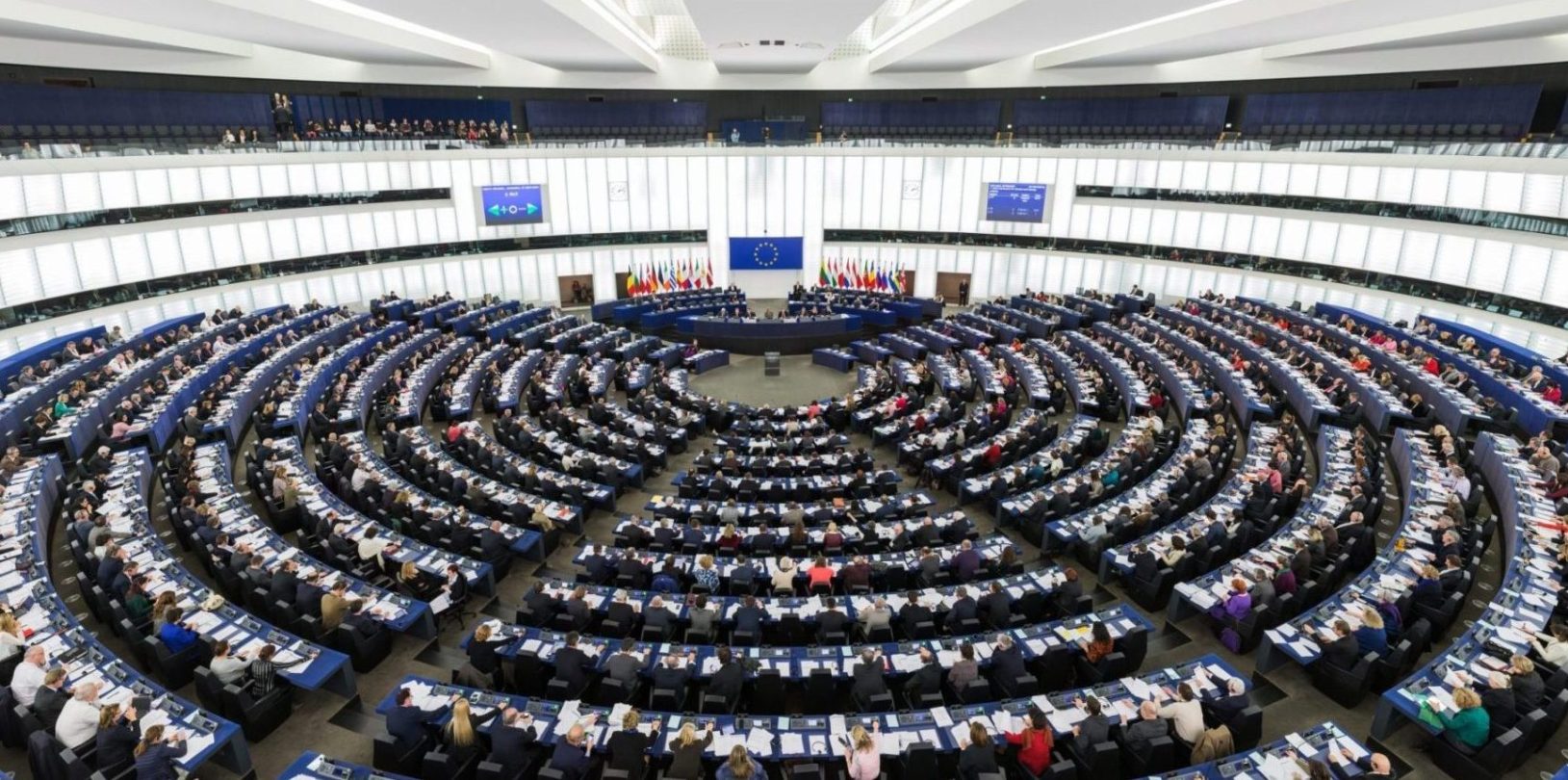



The European Union has taken a major step toward strengthening protections for holidaymakers, with the European Parliament approving updated rules on package travel designed to clarify travellers’ rights and improve consumer safeguards across the sector.
On Thursday, Members of the European Parliament (MEPs) voted overwhelmingly in favour of the revised directive, with 537 votes in support, two against and 24 abstentions. The reform builds on lessons learned during the Covid-19 pandemic and from high-profile travel company bankruptcies that left many travellers struggling to recover their money.
The updated legislation aims to modernise the rules governing package holidays, providing greater clarity on booking arrangements, improving refund rights and reinforcing protection when travel plans are disrupted.
Overwhelming majority in the European Parliament for the Package Travel Directive!
— S&D Group (@TheProgressives) March 12, 2026
Congratulations to our @alexagiussaliba, EP negotiator on the file, for this important step to better protect travellers in Europe 👏👏🇪🇺🇪🇺 pic.twitter.com/LVxGuYb9yl
Clearer definition of a travel package
One of the central elements of the reform is a clearer definition of what constitutes a travel package, particularly in an era where many holidays are assembled through online bookings across multiple providers.
Under the new rules, a combination of travel services offered by different traders may be considered a package when linked booking processes are used, and the first trader transfers a traveller’s personal data to other providers. If the contracts for these services are concluded within 24 hours, the booking will fall under the EU’s package travel protection framework.
The directive also introduces stronger transparency obligations. When travellers are invited to book additional services, organisers must clearly inform them if those services do not form part of the package previously purchased. The aim is to avoid confusion for consumers who may assume that all elements of their trip are protected under the same contract.
The reform follows a provisional agreement reached last year between the European Parliament and EU member states, marking the next stage in the effort to modernise the Package Travel Directive.
New rules on vouchers and refunds
The widespread use of travel vouchers during the pandemic exposed significant weaknesses in the existing framework, as many travellers were unable to obtain timely refunds for cancelled trips.
To address this, the revised directive establishes clearer rules on vouchers. Travellers will retain the right to refuse a voucher and request a monetary refund within 14 days. If they choose to accept a voucher, it may remain valid for a maximum of 12 months.
Any unused or partially used vouchers must be refunded once they expire, and travel companies will not be allowed to restrict the choice of services available to voucher holders.
The legislation also maintains the standard requirement that travellers receive a refund within 14 days when a trip is cancelled by the organiser.
Expanded rights to cancel trips
Another key change concerns trip cancellations in the event of extraordinary circumstances.
Under the revised rules, travellers will be able to cancel package holidays without paying cancellation fees not only when unavoidable events occur at the destination, but also when such circumstances arise at the departure point or significantly affect the journey.
Each case will be assessed individually, and official travel recommendations may be taken into account when determining whether the situation justifies penalty-free cancellation.
Faster complaint handling and insolvency protection
The directive also introduces clearer timelines for handling consumer complaints and refunds in the event of company insolvency.
Tour organisers will be required to acknowledge complaints within seven days and provide a reasoned response within 60 days. These measures aim to ensure greater accountability and transparency when travellers encounter problems with their holiday arrangements.
In cases where a travel organiser becomes insolvent, customers will be entitled to refunds through national insolvency guarantee schemes within six months. In particularly complex cases, such as large-scale or cross-border bankruptcies, the deadline may be extended to nine months.
According to the European Parliament, these provisions are designed to prevent families from bearing the financial consequences of travel company failures.
The Package Travel Directive strengthens the rights of consumers.
— S&D Group (@TheProgressives) March 12, 2026
In a world of uncertainty, we have a travel product that offers the best consumer protection – and it is EU law.@alexagiussaliba 👇 pic.twitter.com/CS8lxMEcJL
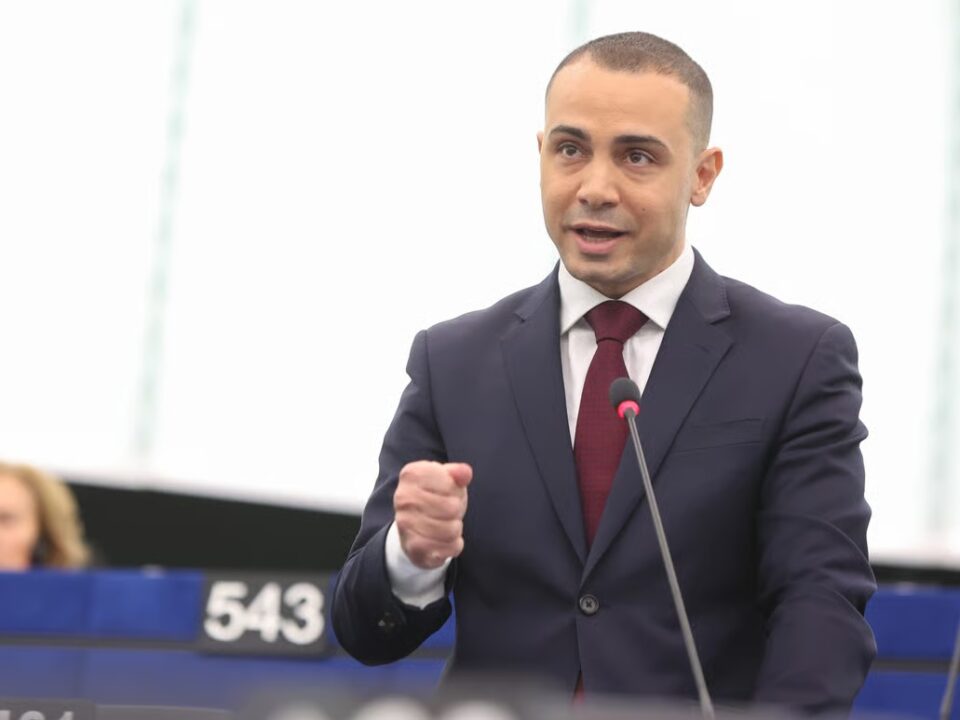
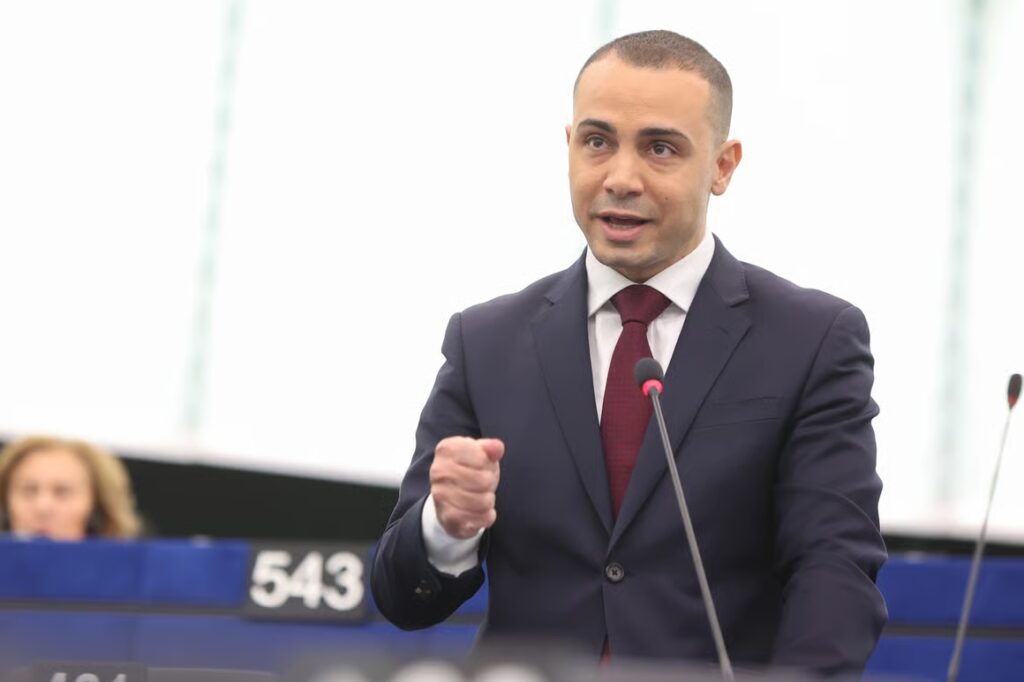
Following the vote, rapporteur Alex Agius Saliba said the updated rules would significantly strengthen consumer protection.
“These updated rules will protect consumers when something goes wrong with their package holiday,” he said. “In the case of extraordinary circumstances that affect any part of their trip, travellers will be able to cancel with a full refund.”
He added that vouchers would remain voluntary and that stronger insolvency protection would ensure financial losses are not transferred to travellers when companies collapse.
Next steps before the rules apply
The directive must now receive formal approval from the Council of the European Union before it can enter into force. Once adopted, the legislation will be published in the Official Journal of the European Union.
Member states will then have 28 months to transpose the directive into national law, followed by an additional six months before the new provisions begin to apply.
The reform represents one of the most significant updates to EU travel consumer protection rules in recent years, reflecting the rapid evolution of digital booking practices and the need for stronger safeguards for travellers across Europe.