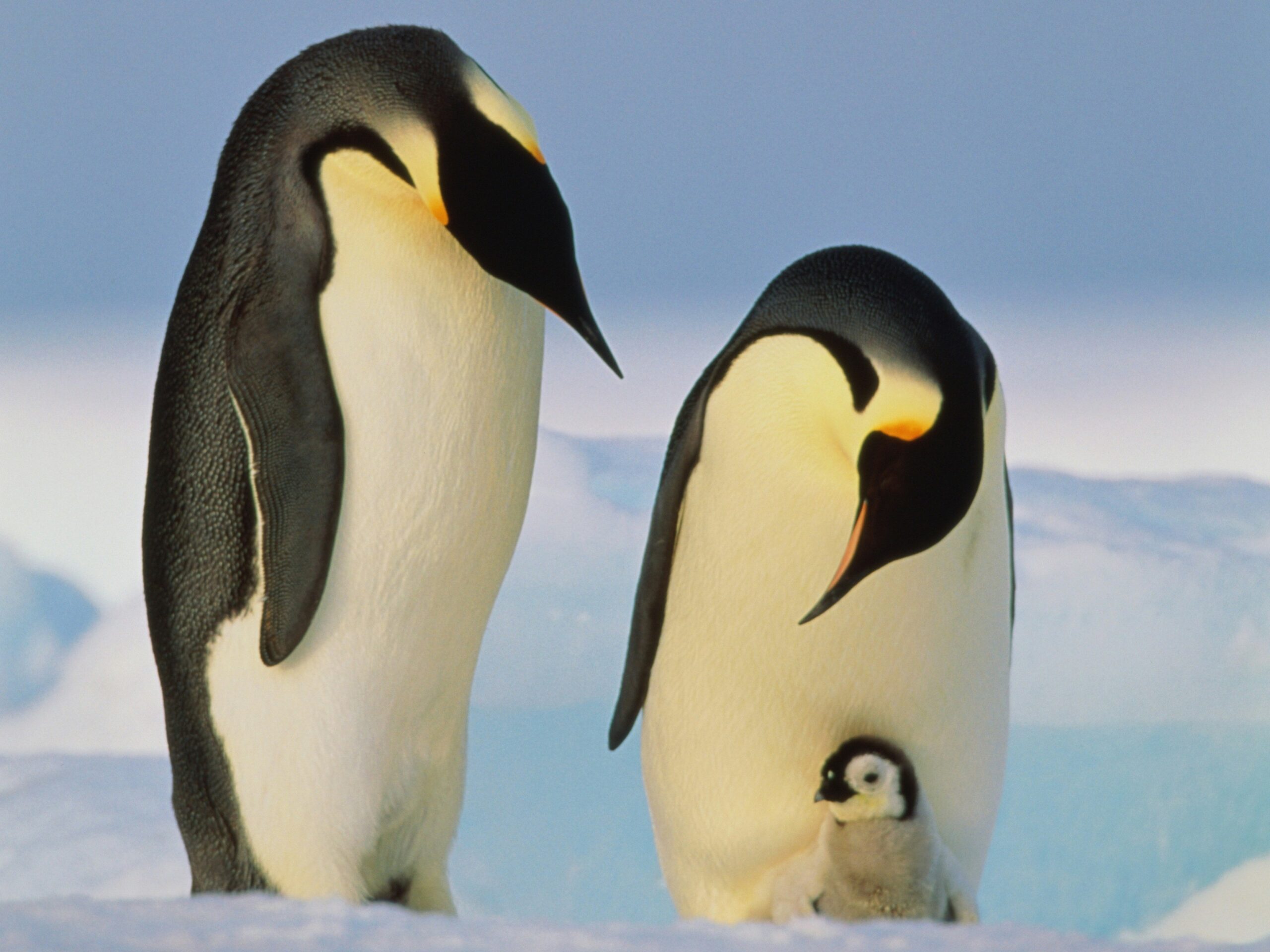



The International Union for Conservation of Nature (IUCN) has declared that the emperor penguin is officially at risk of extinction. Their already precarious situation has taken a turn for the worse following a mass drowning of emperor penguin chicks due to the melting sea ice as a result of the climate crisis.
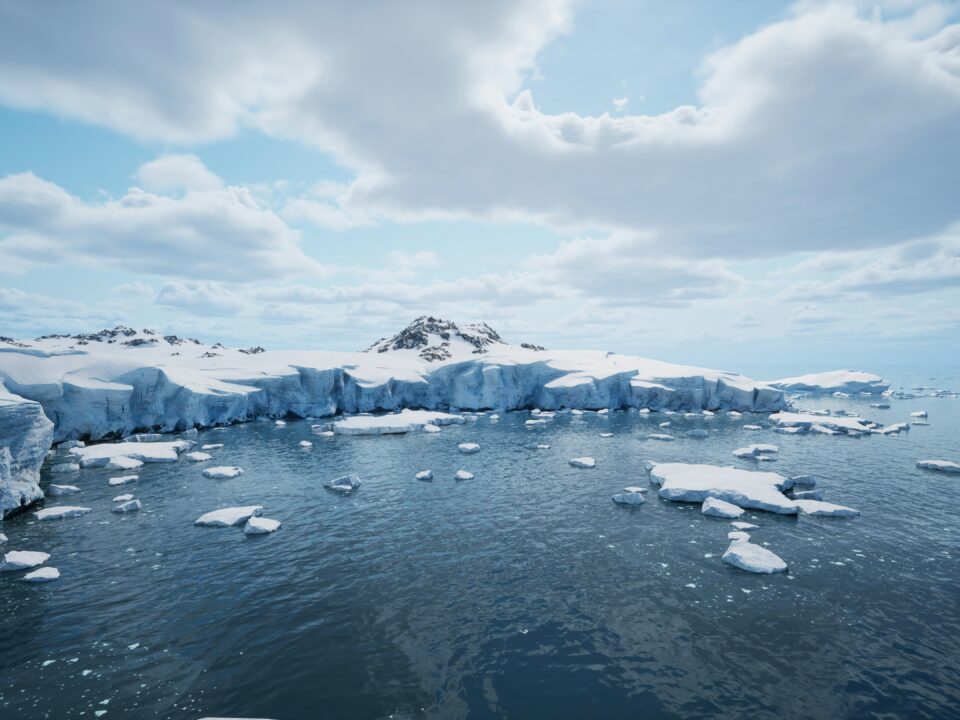
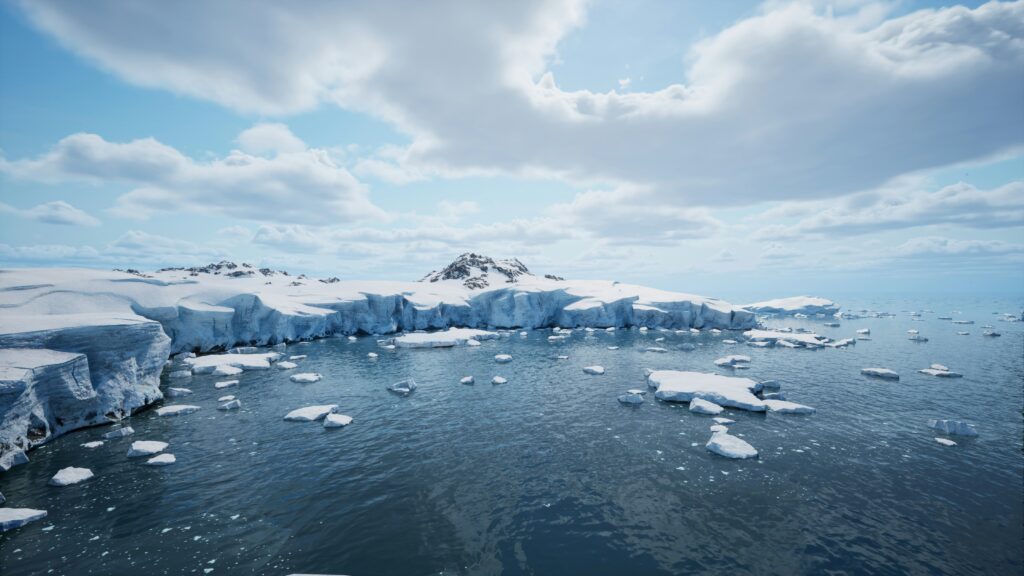
As far as emperor penguins are concerned, so-called fast ice is an important prerequisite for their survival. Fast ice is solidly attached to the Antarctic coast for most of the year, allowing chicks to hatch and to grow until they develop waterproof feathers, which takes some nine months overall. However, adults depend on such fast ice as well, especially during their moulting period while waiting for new swimming feathers to grow.
Over the past decade, however, such fast ice has become increasingly rare and precarious. Since 2016, global heating has caused ice levels in the Antarctic sea to decrease. Ice is breaking up earlier than before, which is causing entire colonies to fall into the water. Most chicks drown or freeze to death, and many moulting adults don’t survive their fall either.
“Human-induced climate change poses the most significant threat. Early sea ice breakup is already affecting colonies around the Antarctic, and further changes in sea ice will continue to affect their breeding, feeding and moulting habitat. Emperor penguins are a sentinel species that tell us about our changing world and how well we are controlling greenhouse gas emissions that lead to climate change,” stated marine ecologist Dr Philip Trathan.
Plunging populations
According to the International Union for Conservation of Nature, a network of about 17,000 scientists and experts from more than 160 countries maintaining the IUCN Red List, four of the five known emperor penguin breeding sites in the Bellingshausen Sea collapsed in 2022. In 2016, another known colony in the Weddell Sea suffered the same fate, leading to thousands of deaths within the colonies. Scientists estimate that emperor penguin numbers fell by 10-22% between 2009 and 2018, which leaves some 595,000 adults at the time of writing.
The IUCN believe the total emperor penguin population will halve by the 2080s and has therefore decided to qualify the largest of all penguin species as “endangered” instead of “near threatened”, thus jumping two categories. When an animal species is endangered, this means they are at a very high risk of extinction in the wild.
“The emperor penguin’s move to endangered is a stark warning: climate change is accelerating the extinction crisis before our eyes. Governments must act now to urgently decarbonise our economies,” said Martin Harper, chief executive of BirdLife International, which coordinated the IUCN assessment.
According to the IUCN, the emperor penguin is not the only Antarctic inhabitant to suffer from global warming. The Antarctic fur seal is now also being considered as endangered, with a population that has plunged from 2,187,000 in 1999 to 944,000 in 2025.