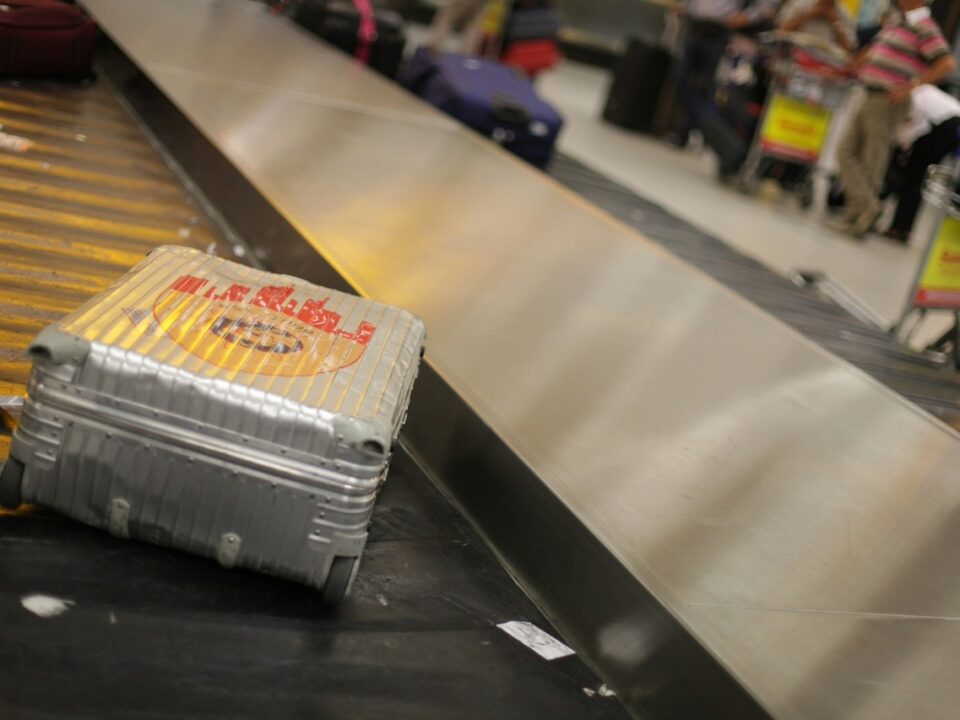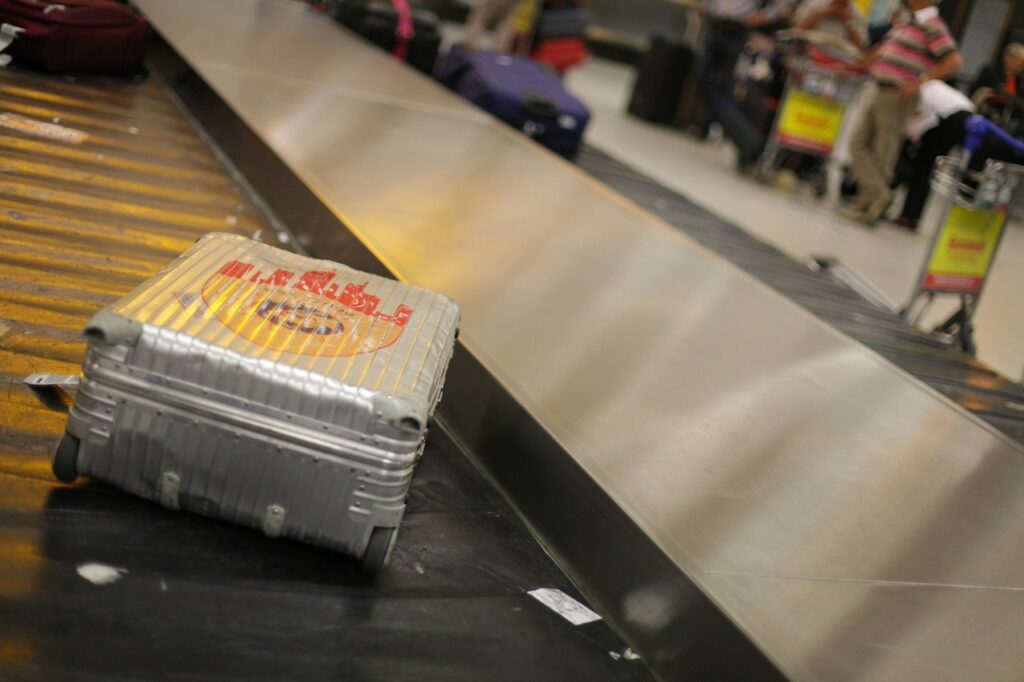



Many travellers wrap their luggage in plastic before flying, hoping it will protect their belongings from scratches, leaks, or even chemicals sprayed on planes. Some believe wrapping makes it less likely their bag will be inspected or tampered with. However, security experts and the TSA agree that plastic wrapping does not make your bag secure. Ed Burnett, a former U.S. Army military policeman, warns that wrapped luggage actually signals valuables to thieves.
Why travellers wrap their luggage
Plastic wrapping has been a fixture at major U.S. airports since the early 1990s and is even more common abroad. Miami-based Secure Wrap, for example, employs over 500 people across 17 countries to wrap travellers’ bags. The main reason people use plastic wrap is to protect their luggage from scratches or marks.
Travellers heading to countries where disinfectants or insecticides are sprayed on luggage upon arrival often wrap their bags in plastic to protect their belongings from the chemicals. Some simply wrap broken or faulty suitcases because paying $15 to wrap a damaged bag is cheaper than buying a new one at the airport.
How TSA handles wrapped luggage
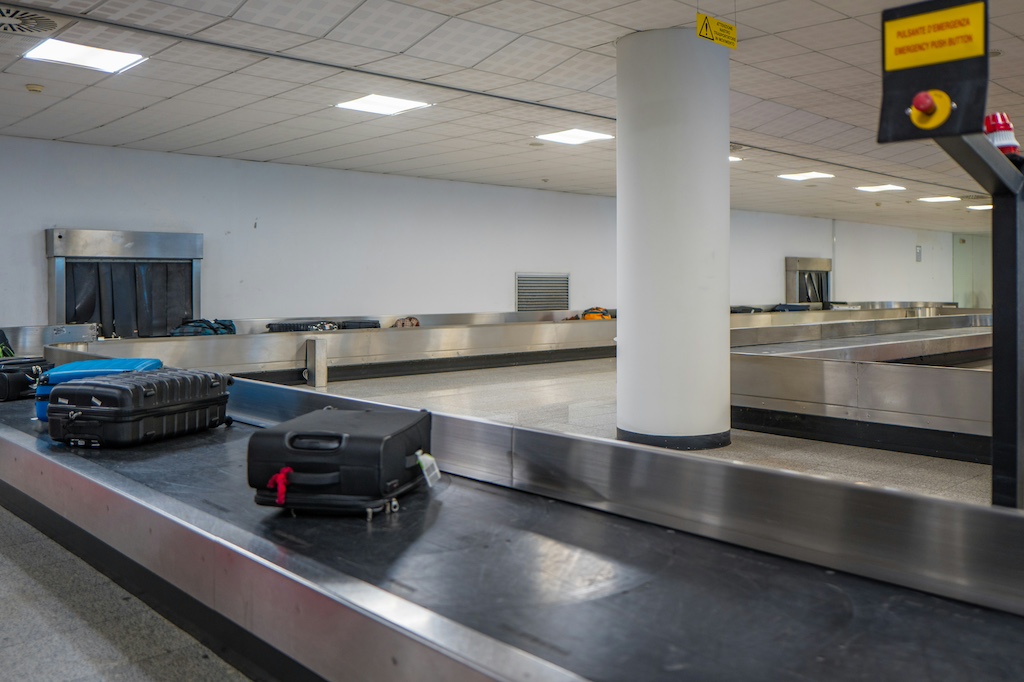
According to TSA spokesperson Lorie Dankers, wrapped luggage is treated the same as any other bag. All checked luggage goes through screening before being loaded onto planes, approximately 1.3 million bags per day in the U.S. alone. TSA uses 3D X-ray scanners to detect hazardous items and often relies on K-9 teams, which are trained dogs that can sniff out explosives, bullets, and other dangerous materials. Plastic wrap does not affect these inspections and does not stop the dogs from detecting anything suspicious.
If a bag is flagged for further inspection, TSA officers will cut through the plastic and may break non-TSA-approved locks to access the contents. Most bags, around 95%, pass through without needing a physical check. When a bag is inspected, TSA agents repack it and leave a slip explaining that the bag was opened, but they will not rewrap it in plastic. Some private wrapping services, like Secure Wrap, offer rewrapping after TSA cuts, but these guarantees are limited and not a substitute for proper security.
Relying on plastic wrap for theft protection can backfire. Wrapped luggage may attract attention because thieves assume it contains valuables. The wrap also makes it harder for travellers to notice if someone has tampered with the bag. Even expensive items inside a wrapped suitcase can be stolen if left unattended. Security experts emphasize that plastic wrapping is primarily cosmetic and does not prevent theft or tampering.
Better ways to protect your luggage
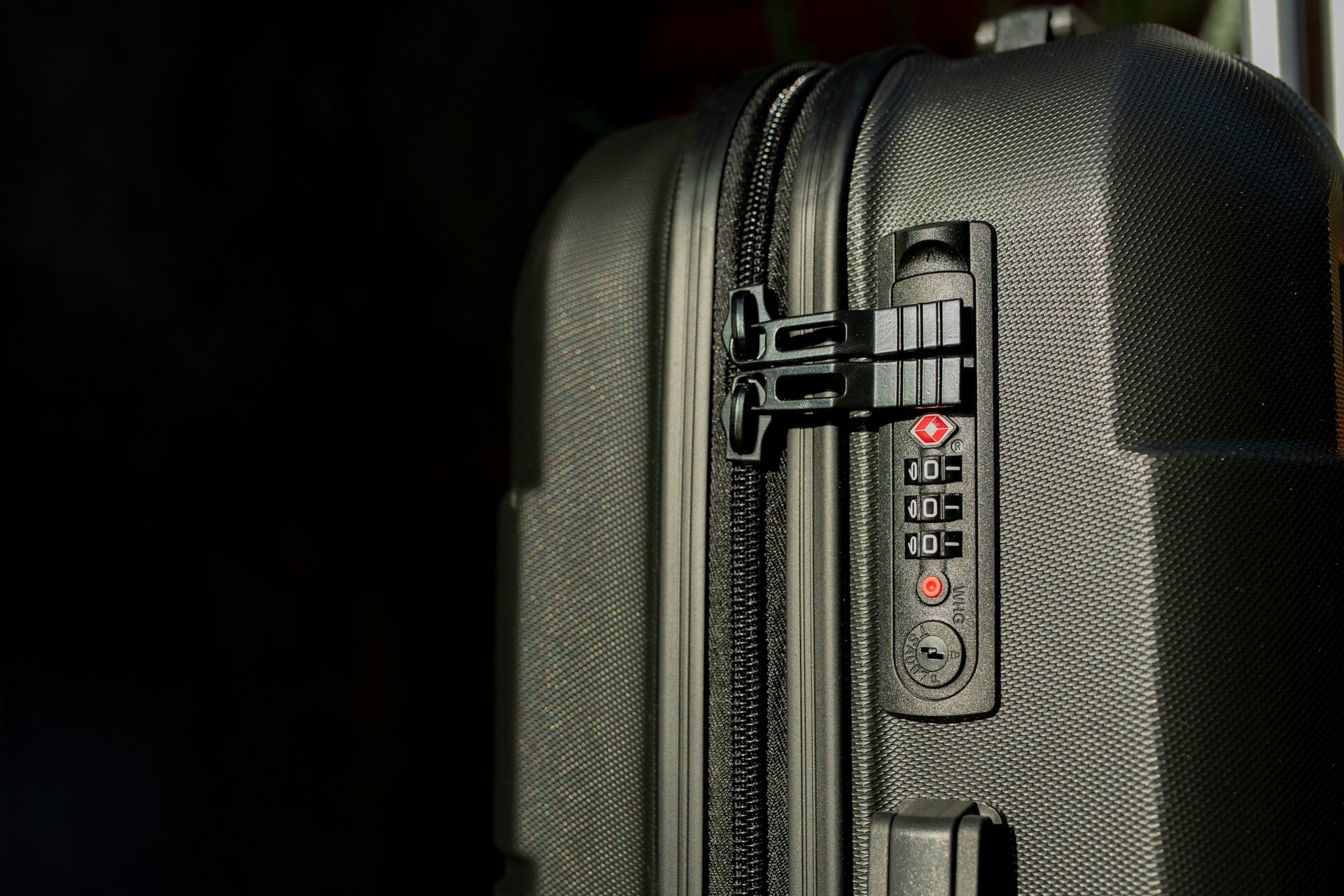
There are more effective strategies for keeping luggage safe. Bright-coloured, hard-shell suitcases make your bag easy to spot and harder to break into. TSA-approved locks allow officers to open luggage without breaking the lock. Keep your valuables in carry-on luggage and consider diversion safes, small hidden containers inside ordinary items, or other hidden trackers like AirTags, and plain bags that don’t signal wealth. These measures are far more reliable than wrapping.
Plastic wrap still has some benefits. It can prevent scratches, minor spills, or chemical damage during flights. Some travellers use it for cosmetic reasons or to protect fragile items. But it’s important to understand that wrapping does not make your luggage secure. Think of it as a protective layer for your suitcase, not a security measure.