

A new travel trend is emerging, appealing to millennials and Gen Z, who seem to be rediscovering disconnection, now rebranded with the more “tragicool” label of “deadzoning”, and simply means switching off.
Spoiler alert! This disconnection comes with an added benefit: improved well-being. For years, experts have warned about our growing dependence on technology. The tools that were meant to inform and connect us have, paradoxically, left many more entrenched in their own viewpoints, under constant stress, with shorter attention spans, and at a higher risk of burnout.
This burnout is no longer confined to the workplace. Constant availability, endless notifications and the expectation of immediate responses have blurred the boundary between work and personal life, bringing pressure into everyday life.
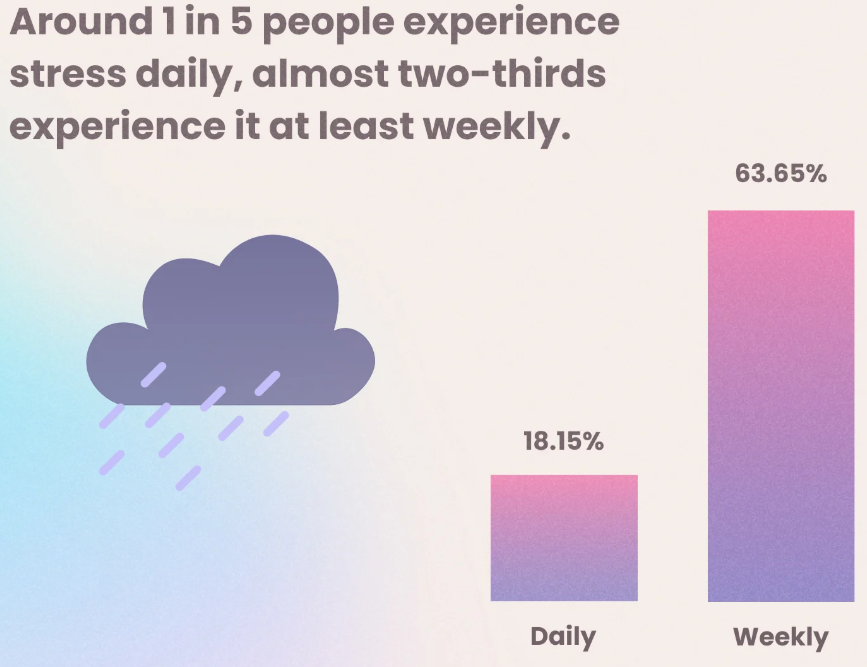
In the UK, nine in ten people reported experiencing “high or very high levels of stress and pressure” over the past year, a figure that has remained consistently high since 2024.
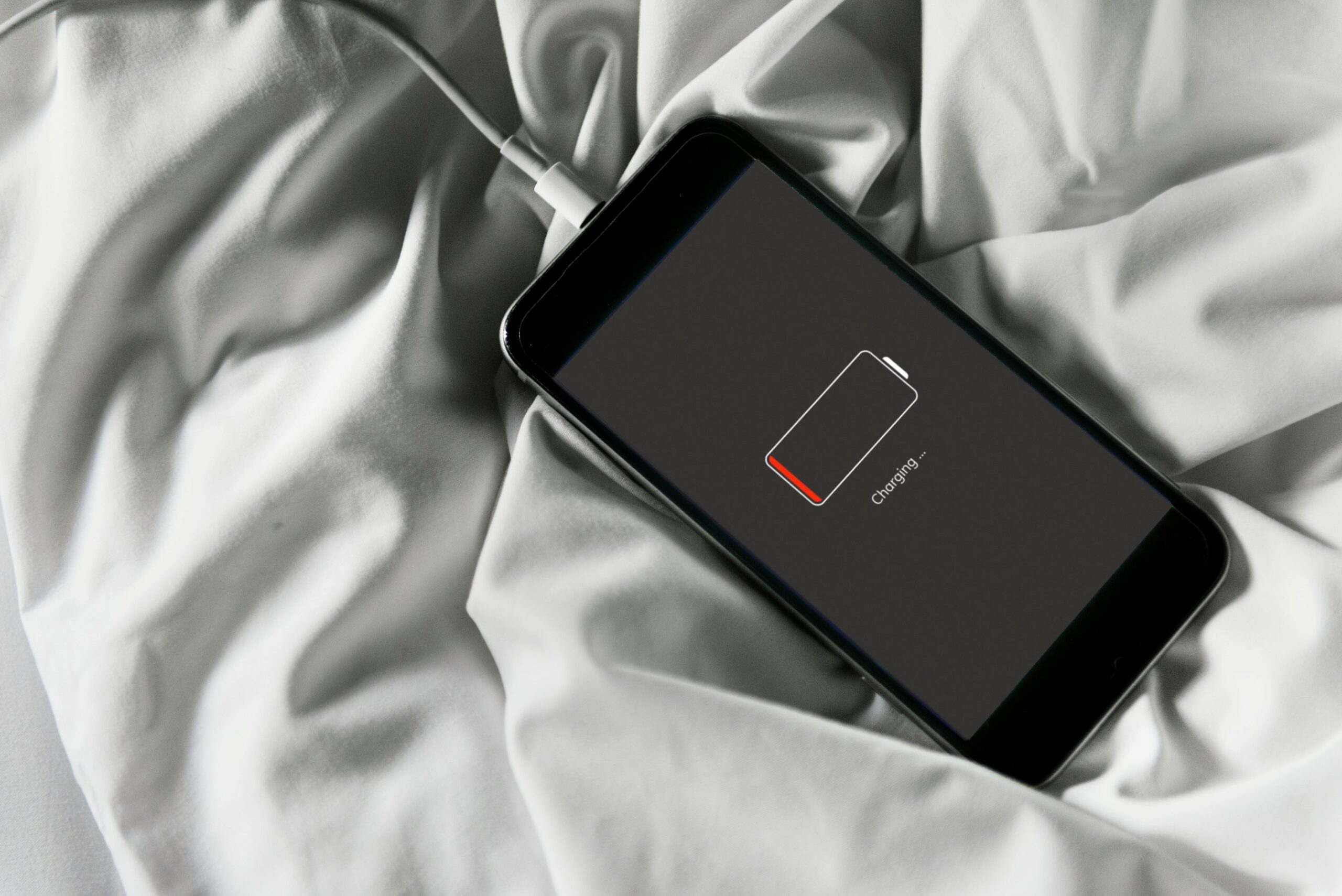
As a result, one solution has gained traction for its simplicity, at least in theory: deadzoning. Not just by travelling somewhere new, but by breaking the habits we carry with us, namely spending hours on screens, whether for work, entertainment, or doomscrolling. Even leisure has become fragmented, with watching a film while checking other screens now the new normal.
Yet disconnecting is easier said than done. Our devices are not just sources of stress; they are deeply embedded in daily life, because they combine tools that have become indispensable, especially when travelling, such as maps, cameras, wallets and tickets. One use often leads to another, and a quick photo can turn into an hour of scrolling.
This is precisely where deadzoning offers a practical workaround.
It can take many different forms and is entirely self-defined. Some people lock their phone away for the duration of the trip. Others keep their phone but disable notifications, while some deliberately choose destinations with little or no connectivity to avoid temptation.
Disconnection does not mean cutting off all connections. Rather, it is about disconnecting from the digital world.
“Connection is part of our DNA as humans,” notes tourism expert Birgit Trauer in an interview with Euronews. “Whether it’s with others or with ourselves.”
Intentional travel, or “deadzoning”, is therefore about regeneration: reconnecting with others and with oneself.
Reducing constant digital stimulation eases the cognitive load, which is essential for regulating mental health and reducing stress. This shift often yields immediate physical benefits: by removing screens that disrupt our natural circadian rhythms, a digital detox can facilitate deeper, more restorative sleep.
“Deadzoning reflects a broader cultural shift away from constant connectivity and burnout,” says Christina Bennett, a consumer travel trends expert at Priceline, in comments to HuffPost.
“After years of being ‘always on’, travellers are actively seeking holidays that allow them to fully disconnect, both mentally and digitally.”
This trend particularly resonates with younger travellers. “More than a third say they wish devices could be banned entirely while on holiday,” Bennett added.
However, Trauer warns of a potential downside: returning from such experiences can make everyday life feel overwhelming again. This suggests that deadzoning should not be an extreme or rare escape. In reality, it does not require a large budget or long-haul travel; it can be practised anywhere.
Still, certain destinations are often associated with it, particularly in Asia and Australia, where remoteness naturally limits connectivity. Closer to home, parts of Greece, Transylvania in Romania, or coastal and rural areas of Denmark offer similar opportunities.
Ultimately, the ideal deadzoning environment tends to share a few characteristics: slower-paced settings, design that encourages presence, simple activities, and locations that feel just far enough removed from everyday life.