

China appears set to ease travel connectivity with Taiwan, according to an official announcement that also promised to lift import restrictions on Taiwanese aquaculture products, though it is unclear whether the negotiations that have led to the detente are fully supported by the Taiwanese government.
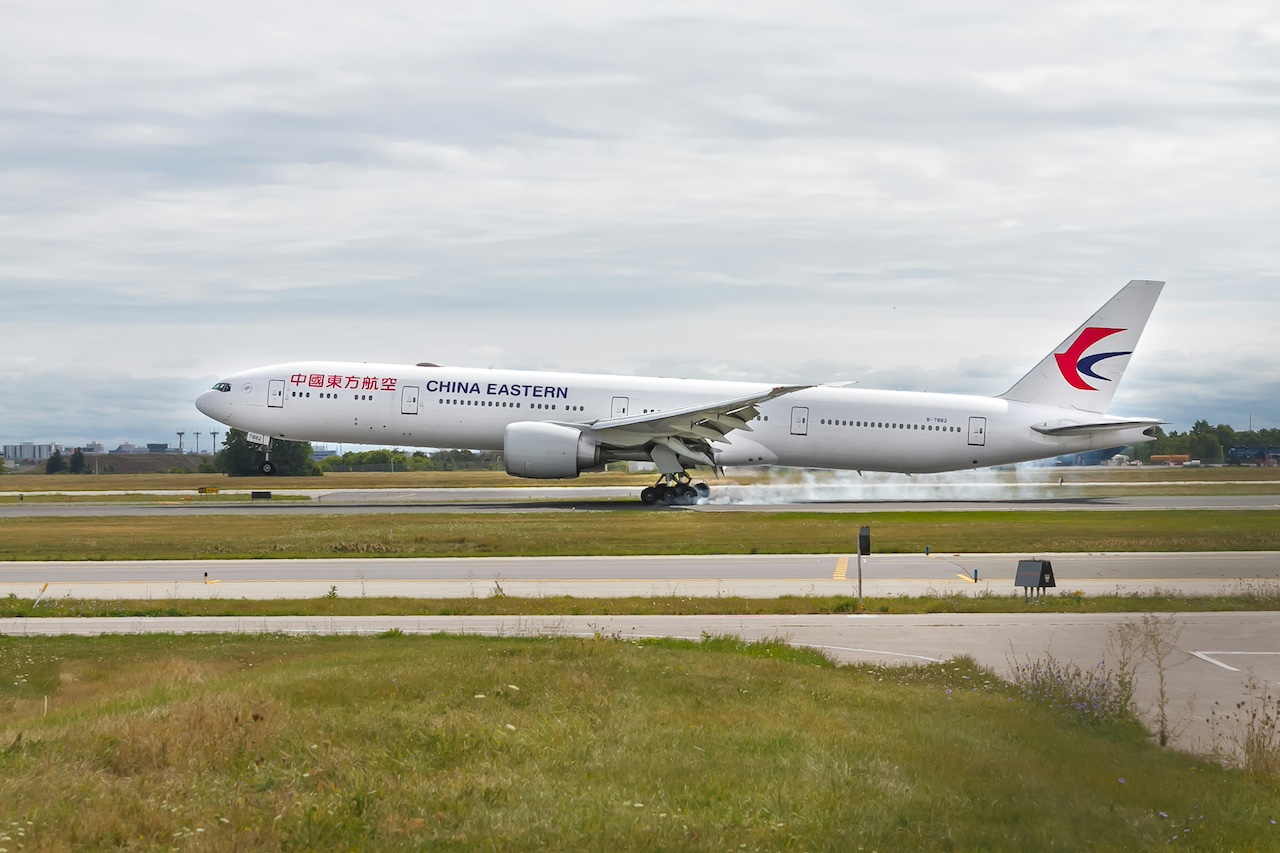
Cross-border mobility between the two territories will be enhanced by air and by bridge, said a statement from the Chinese Communist Party’s working group on Taiwan. Direct flights that had been suspended during a period of tension will now resume, including from cities such as Xi’an and Urumqi. And work towards a bridge to the Taiwanese islands of Matsu and Kinmen would go forward.
Historic moment! Xi Jinping met with Cheng Li-wun in Beijing.
— Li Zexin 李泽欣 (@XH_Lee23) April 10, 2026
Cheng is the first KMT chairperson that has led a delegation to the Chinese mainland in the past decade.
China pursues peace across the Taiwan Strait. pic.twitter.com/qAAT4Vk6v5
Off the coast of China’s Fujian province in the East China Sea, Matsu is part of an island chain known as a frontline military area. Its “blue tears” bioluminescent algae are an attraction as well as an environmental scourge, but it also boasts rugged terrain and Fujianese architecture. Kinmen too is a fortress island, in Xiamen Bay, riddled with military tunnels and famous for its “spirit of Taiwan” kaoliang liquor.
The bridges are a long-held aim for Beijing, and the proposal reportedly enjoys some support among islanders, especially the younger generation. Proponents say the links could bring economic benefits to the island communities in terms of enhanced trade, tourism, and goods transport. Critics argue, meanwhile, that a land connection to mainland China represents a security and identity threat to Taiwan, whose sovereignty has always been disputed by its Chinese neighbours.
The current Democratic Party Taiwanese government has historically been opposed to the bridge proposal. It is, however, the head of the pro-China opposition—a party which holds a majority in the legislative branch of power—that appears to have influenced the recent developments after a high-profile meeting with Chinese President Xi Jinping.
@chinavibe Cheng Li-wun, chairperson of the Chinese Kuomintang (KMT) said the mainland has achieved extraordinary progress under the leadership of Xi Jinping. Xi, general secretary of the Communist Party of China (CPC) Central Committee, met with Cheng on Friday in Beijing. During the meeting, Cheng highlighted the mainland’s remarkable development trajectory and expressed confidence in its promising future as the 15th Five-Year Plan gets underway. #China #taiwan #Beijing #leadership #taiwantiktokers ♬ Upbeat Corporate Motivational3631 – KarmaMusicUa
With the Taiwan government divided, it’s not clear how or when the connectivity improvements will be implemented. Taiwan’s Mainland Affairs Council, which oversees the island nation’s relationship with China, appeared to give a lukewarm response, unimpressed by what it called the opposition’s “political transactions” and adding: “The government’s position is clear: to ensure the interests of the nation and its people, all Cross-Strait affairs involving public power must be negotiated by both governments on an equal and dignified basis to be effective and truly protect the rights and well-being of the people.”
With Taiwanese exports of fruits, including pineapple, banned from China since 2021, as well as a veto on fish such as grouper, fish, and tuna, the council seemed more amenable to the potential to resume more trade with China, highlighting that it would “continuously assist farmers and businesses in expanding into overseas markets.”