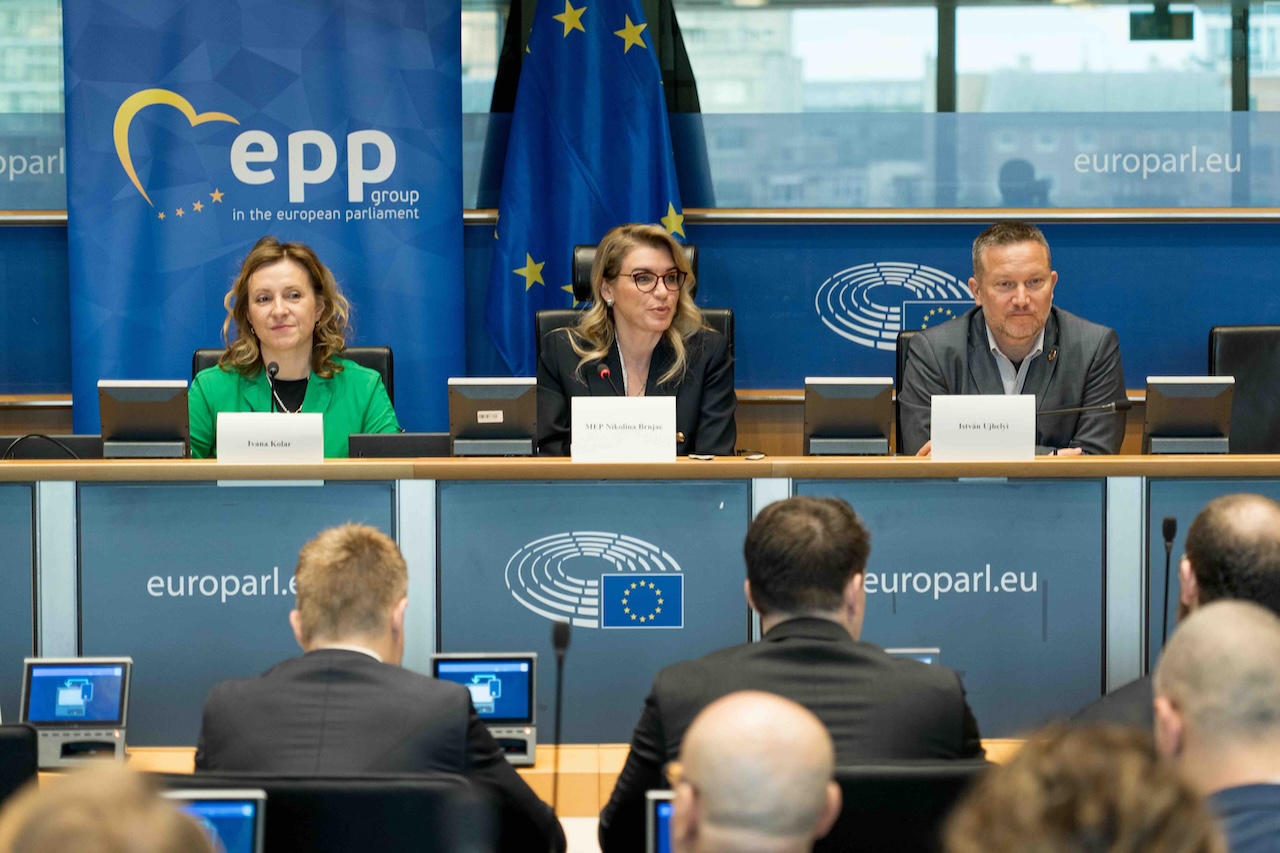



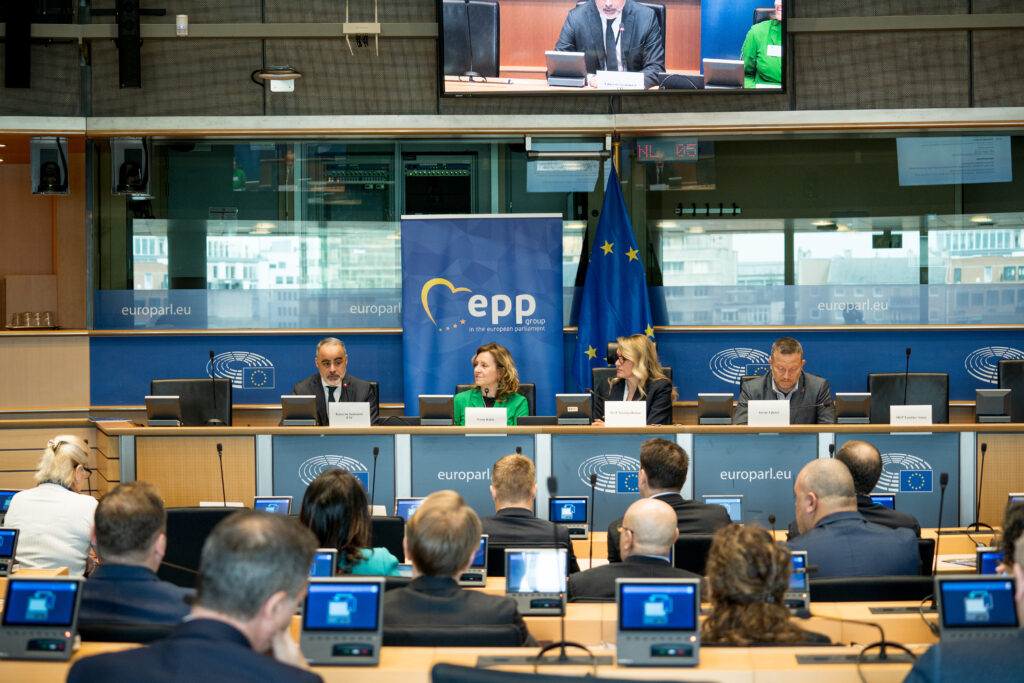
Health tourism is gaining strategic importance in Europe, with discussions at the European Health Tourism Industry Summit 2026, held on 17 March at the European Parliament, underlining the need for stronger coordination between tourism, healthcare and policy.
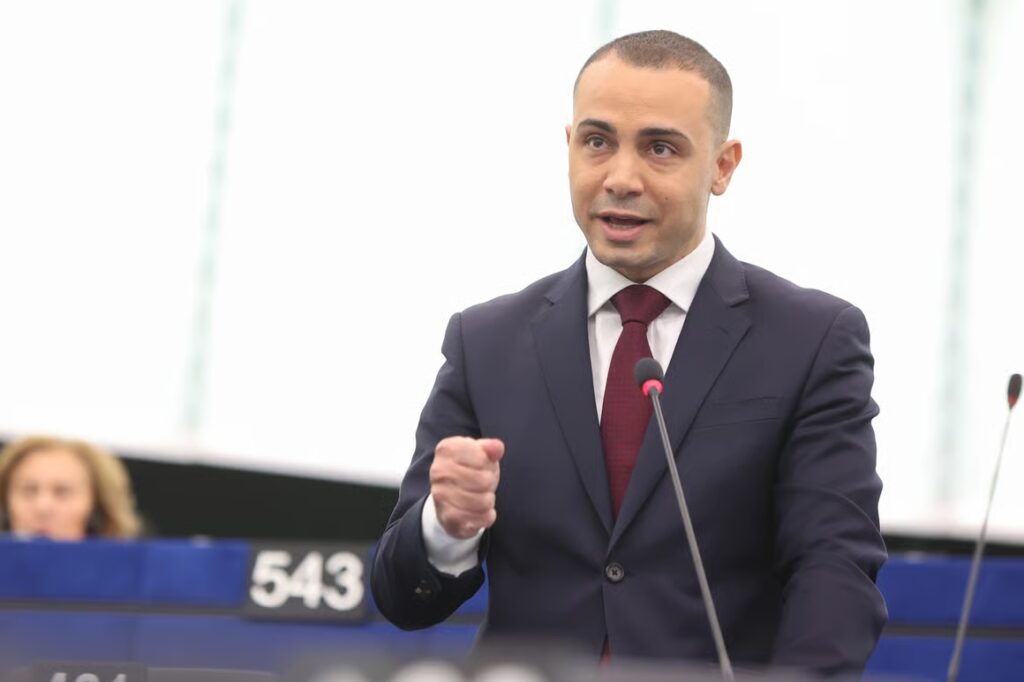
Organised by Health Tourism Industry (HTI) under the leadership of Ivana Kolar and hosted by MEP Nikolina Brnjac, the summit brought together policymakers, tourism leaders and healthcare experts to discuss how Europe can position itself as a global leader in health and wellbeing.
A sector gaining political momentum
Opening the summit, Ivana Kolar described health tourism as a broad and rapidly evolving field, covering “general spa, prevention, rehabilitation, medical” services.
Kolar stressed that the sector sits at the intersection of public policy and private investment, noting that HTI provides “a unique platform that connects policymakers, destinations, health providers, facilitators, investors, and industry associations”.
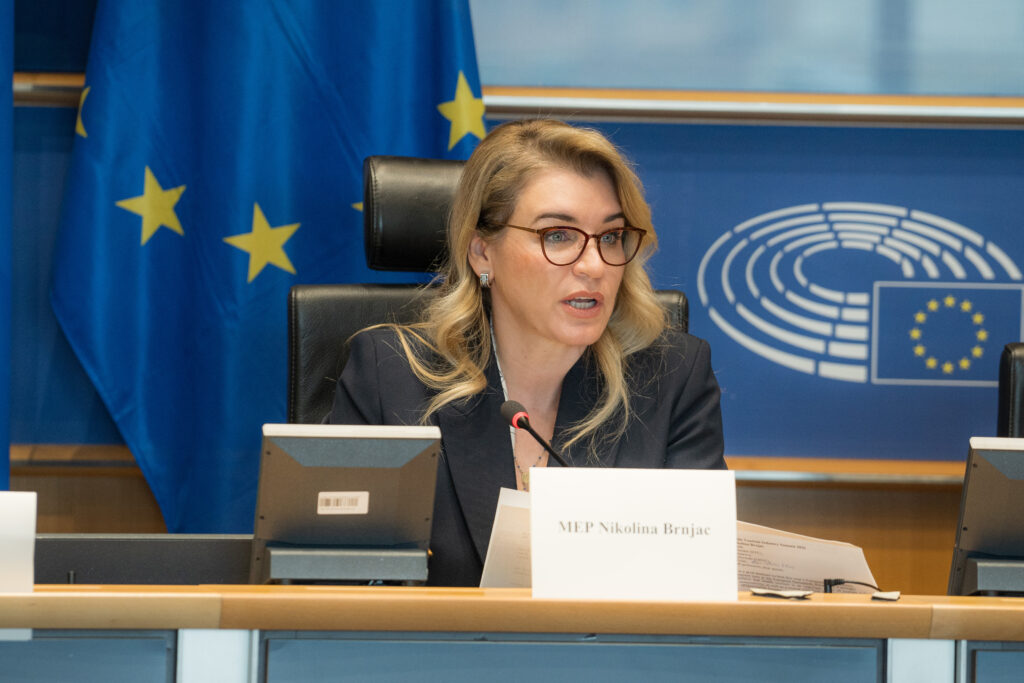
MEP Nikolina Brnjac framed the discussion in a wider European context, arguing that health tourism must become a central component of Europe’s future. “I strongly believe that health tourism is an important driver of tourism sustainability,” she said, adding that it is also “a crucial ingredient in the new branding of destination Europe”.
She highlighted growing pressures from ageing populations, climate change and geopolitical uncertainty, noting that “at the very core of health tourism is the contribution to physical, mental and spiritual health”.
Brnjac also pointed to the economic dimension of the sector. “Health tourists spend around eight to ten times more than other tourists,” she said, calling for harmonised European standards and increased investment.
Europe’s competitive edge in wellbeing tourism
Eduardo Santander, CEO of the European Travel Commission, emphasised that health and wellbeing tourism is no longer a niche trend but a structural shift in travel behaviour.
“It’s here to stay,” he said, pointing to growing demand for wellness-focused experiences and quality of life.
Santander argued that Europe already has the foundations to lead globally, thanks to its diversity, cultural heritage and long-standing wellness traditions. He also stressed that tourism must evolve beyond recovery towards what he described as “smart growth”.
“We have to start thinking about tourism as not an extraction form of industry but one that is investing, especially in its people,” he said.
At the same time, he highlighted the importance of cooperation between destinations. “If we work together to position Europe as a shared destination for wellbeing tourism, we all will win.”
Preventive health and spa medicine under the spotlight
A central moment of the summit came with the intervention of Siyka Katsarova, President of the European Spas Association, who called preventive health and spa medicine one of Europe’s most underutilised assets.
Referring to the Covid-19 period, she noted that citizens increasingly turned to natural and preventive solutions. “People were just looking for solutions to improve healthcare,” she said.
Katsarova argued that health tourism can help tackle one of Europe’s structural tourism challenges: seasonality. Countries such as Croatia, Greece, Spain and Italy could benefit from more year-round health-focused offers.
Crucially, she insisted that health tourism must be treated as a cross-sector priority. “Health tourism is sitting in between two main industries,” she said, referring to tourism and healthcare.
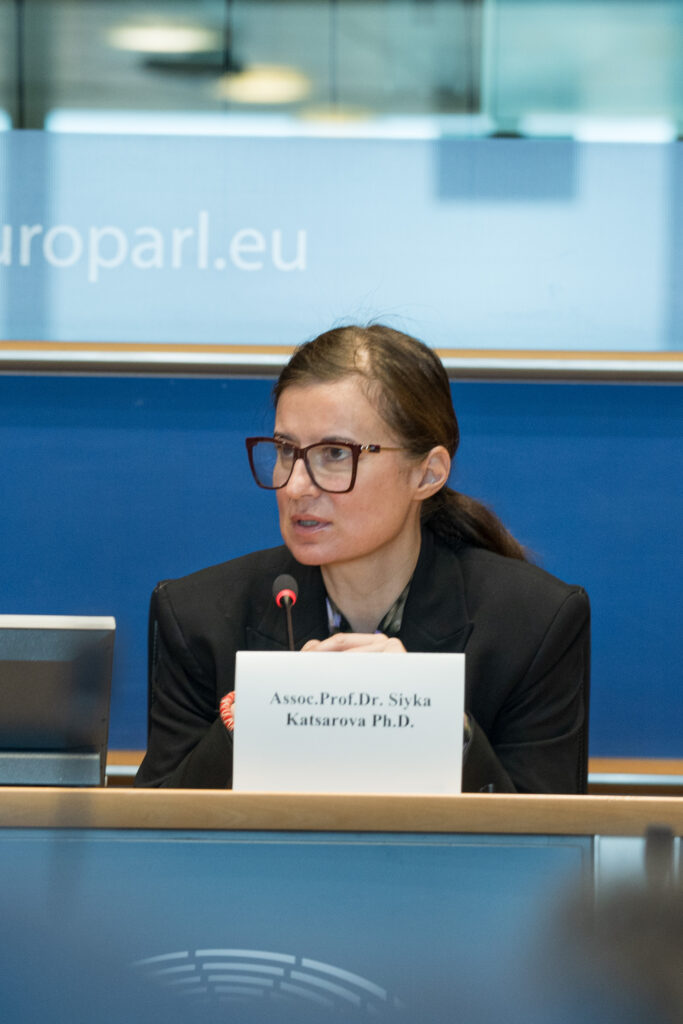
She also warned that Europe risks falling behind global competitors. “Europe is sleeping,” she said, urging policymakers to better leverage the continent’s “natural healing resources” and adopt a more holistic approach to health.
According to Katsarova, the sector already represents a significant economic force, with more than 1,400 certified medical spas, over 850,000 jobs, 25 million annual visitors and a €50 billion impact.
“One euro investment in prevention is saving seven euro from healthcare,” she added, making the case for stronger policy support.
Cross-border healthcare still too complex
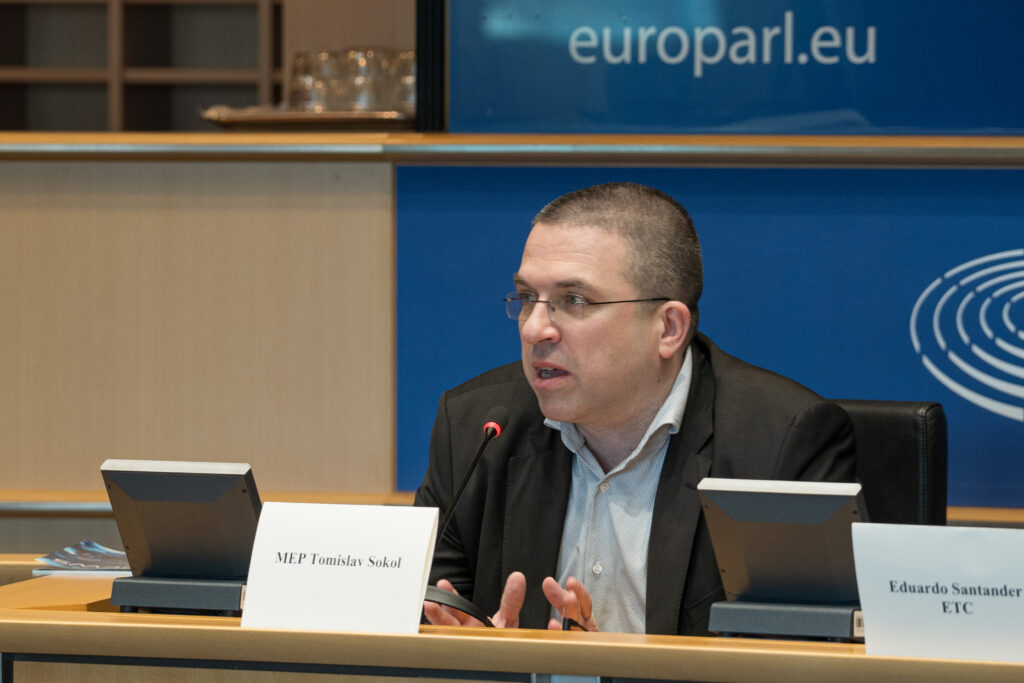
MEP Tomislav Sokol addressed the legal framework governing cross-border healthcare, warning that existing EU rules remain too complicated for most patients.“These legal rules are so complicated that you need to be a health law expert to know what your rights are,” he said, describing the current system as “a mess”.
While EU legislation allows patients to seek treatment abroad under certain conditions, Sokol said that overlapping rules, administrative barriers and lack of awareness prevent the system from functioning effectively. He called for simplification, better information for patients and the creation of structured cross-border healthcare pathways, including centres of excellence serving multiple countries.
The reality for patients on the ground
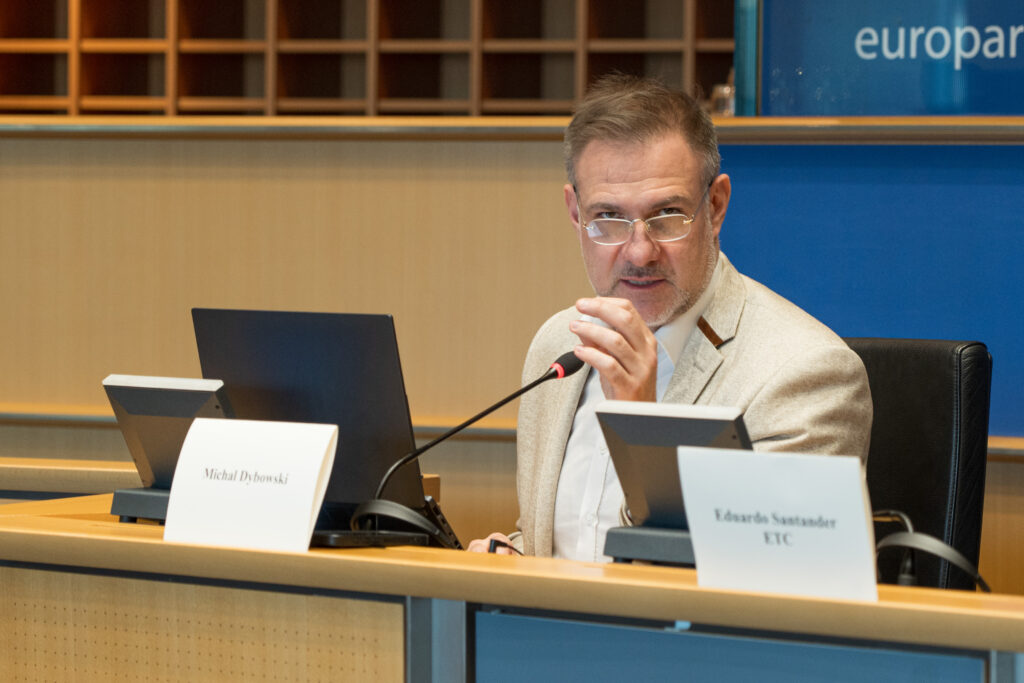
Michal Dybowski, President of the Healthcare Poland Foundation, brought a practical perspective, highlighting the gap between legislation and real-life patient experience.
“We don’t have a problem with our law because the law is good. But we have a serious problem with how we really execute them,” he said.
Through a series of case studies, he illustrated how patients face obstacles such as lack of reimbursement, poor transfer of medical records and long administrative delays. Among the most striking figures he cited was the average waiting time for reimbursement approval. “531 days,” he said.
Dybowski also pointed to the absence of common quality standards for medical providers, limited patient information and the lack of coordinated visa policies for medical travel.
Despite these challenges, he insisted that solutions are within reach, including digital tools, shared standards and the future European Health Data Space.
“It’s not utopia. We’ve got to build it,” he said.
A window of opportunity for Europe
Across the summit, a clear message emerged: Europe has all the ingredients to lead in health tourism, but lacks the coordination and political prioritisation needed to unlock its full potential.
With a European strategy for sustainable tourism expected in the coming months, stakeholders see a crucial opportunity to integrate prevention, wellbeing and cross-border healthcare into the EU agenda.
As discussions continue in Brussels, health tourism is increasingly being recognised not as a niche, but as a strategic asset for Europe’s competitiveness, resilience and quality of life.