
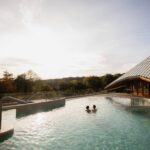

The wellness sector is booming in Bulgaria, according to official figures that show a recent 15% increase in demand for spa tourism, generating jobs and helping to spread visitor arrivals and spending year-round.
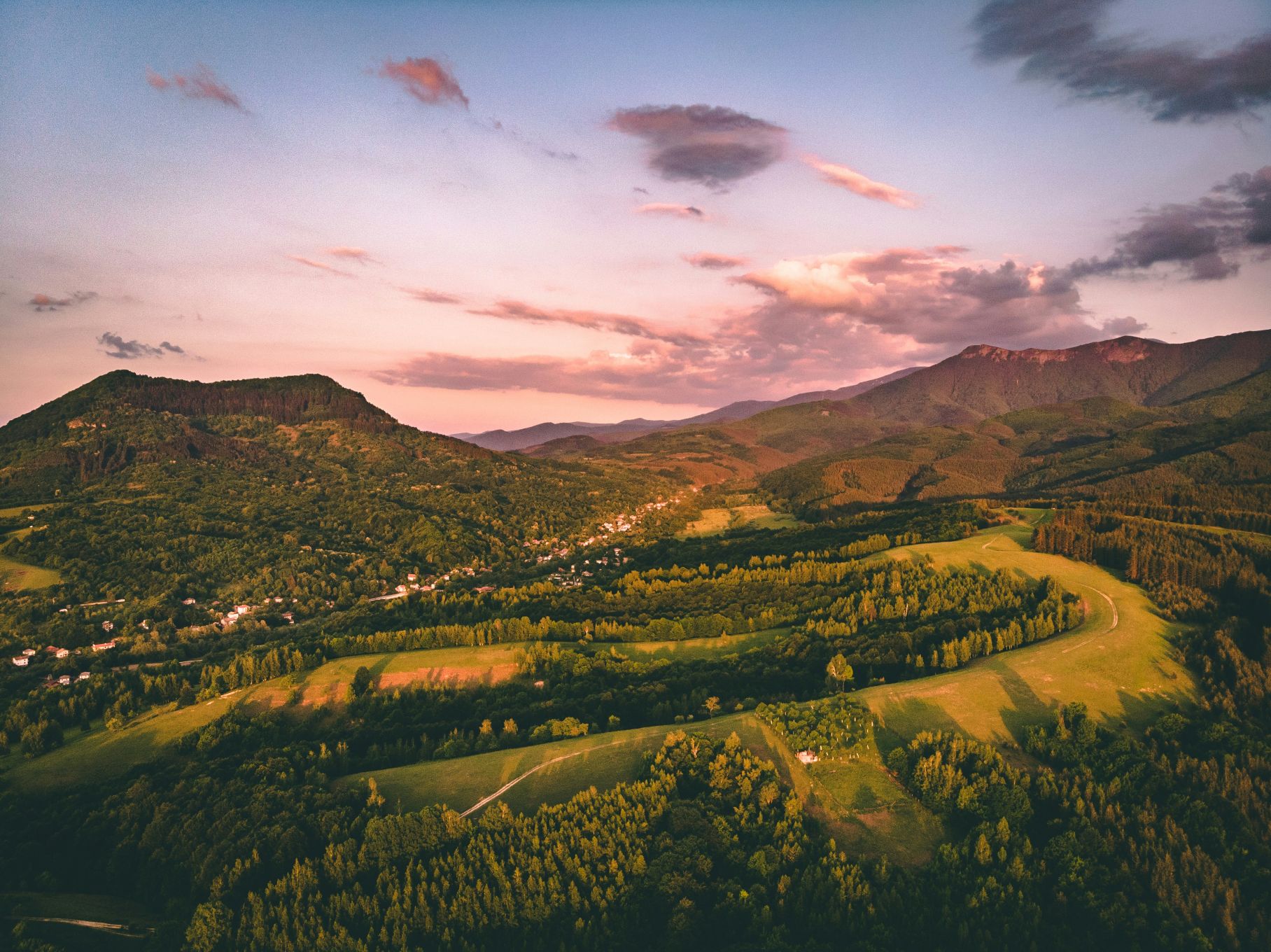
The southeastern Balkan country has a Black Sea coast and is almost one-third mountains, and has long been seen as an emerging tourism destination, attracting skiers and summer holidaymakers seeking good value. But its recent adoption of the euro and improved air connectivity are sparking new interest. What’s more, among its mountains, it boasts over 700 mineral springs, allowing the republic to carve out a name for itself for its spa and wellness offer, taking a slice of a thriving industry valued at €758.7 billion, according to the Global Wellness Institute.
“It is an encouraging trend that in recent years the desire to come for spa tourism in Bulgaria has increased by 15%,” said Irena Georgieva, Bulgaria’s Tourism Minister, adding: “At present, the question of what kind of destination Bulgaria is should not be framed as ‘is Bulgaria a cheap destination?’, But rather ‘is Bulgaria worth visiting?’, And I believe that more and more European tourists are answering this question positively.”
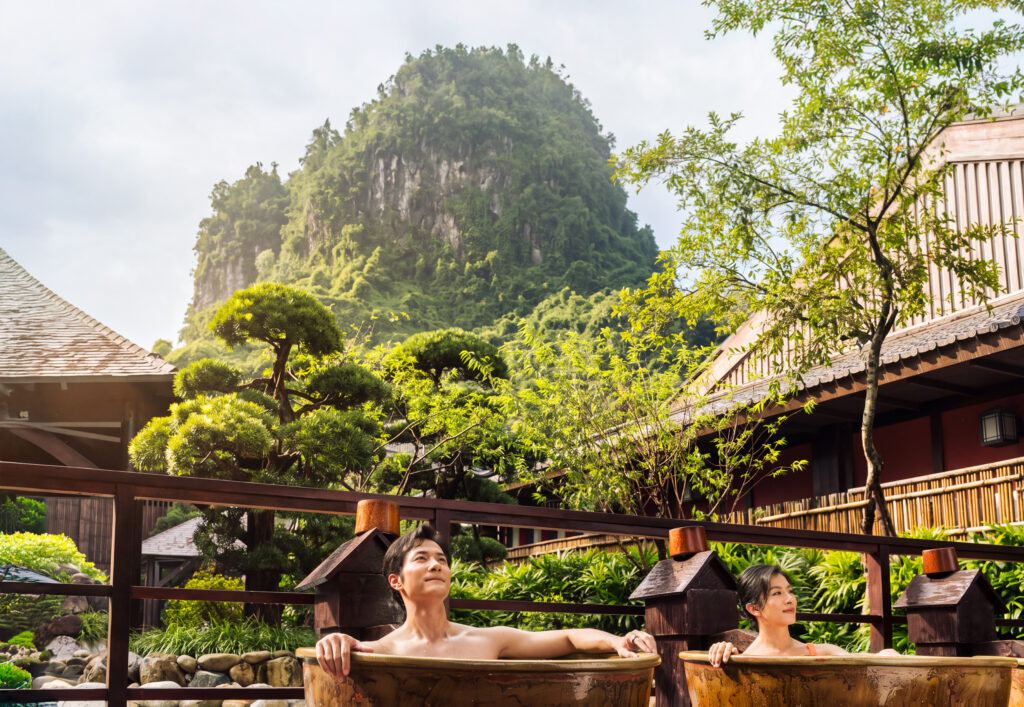
Spa capital Velingrad in the Rhodope mountains has led the way on wellness. Like Sandanski in the south-west, its mineral-rich waters are believed to have curative and preventive benefits, but visitors will find spas and wellness facilities all over the country thanks to beliefs going back to 4,000 years to the Thracians, who are said to have discovered water’s healing properties.
Bulgaria is also focused on developing its cultural tourism appeal, promoting heritage, dance, health, gastronomy, and folklore in a calendar of events all over the country that’s being promoted as “2026 Year of Cultural Tourism.”
Coming up in May, in the northwest, the Banitsa Festival in the village of the same name will pit bakers against each other to produce traditional banitsa pastries. These specialities are made with thin layers of dough and stuffed with a mixture of feta cheese, eggs, and yoghurt. They can also be made in meat, spinach, and even sweet varieties.
And in the ancient south central city of Plovdiv on 8-10 May, winelovers can explore the produce of native Bulgarian grapes in the Wine and Gourmet Festival taking place across a range of historic venues.
Also in May, in southern central Zlatograd, a four-day event showcasing Bulgarian folkloric music, the delicious-sounding Rotisserie Grill and Bagpipe Festival, will feature a sound that travels through space on the Voyager 1 and 2 – Bulgarian bagpipes and the voice of the Balkan folk queen, Valya Balkanska.
The Rose Festival across central Kazanlak and nearby villages happens annually in May and June, celebrating Bulgaria’s special connection to the Rosa Damascena – “the Bulgarian oil-bearing rose and all the gifts it has blessed the Rose Valley with for centuries.” Now in its 123rd incarnation, the festival will bring artistic, cultural, dance, music, social and sports events to the region, culminating in the coronation of the Rose Queen.
The Cherry Festival follows in late June in the western city of Kyustendil, known as “the Orchard of Bulgaria.” It showcases cherries and cherry-based products and gastronomy, promising to bring visitors “closer to Bulgarian and Balkan customs and traditions.”
And that’s not to mention the East Coast’s Fried Sprat Festival, in June, when sea capital Varna invites everyone to spend summer days and evenings gazing out on the Black Sea with a cold beer and fried fish. Nor July’s Blueberry Nights, to delight foragers, hikers, and campers alike. There are also plum, tomato, yoghurt, bean, and cheese festivals lasting into the autumn.