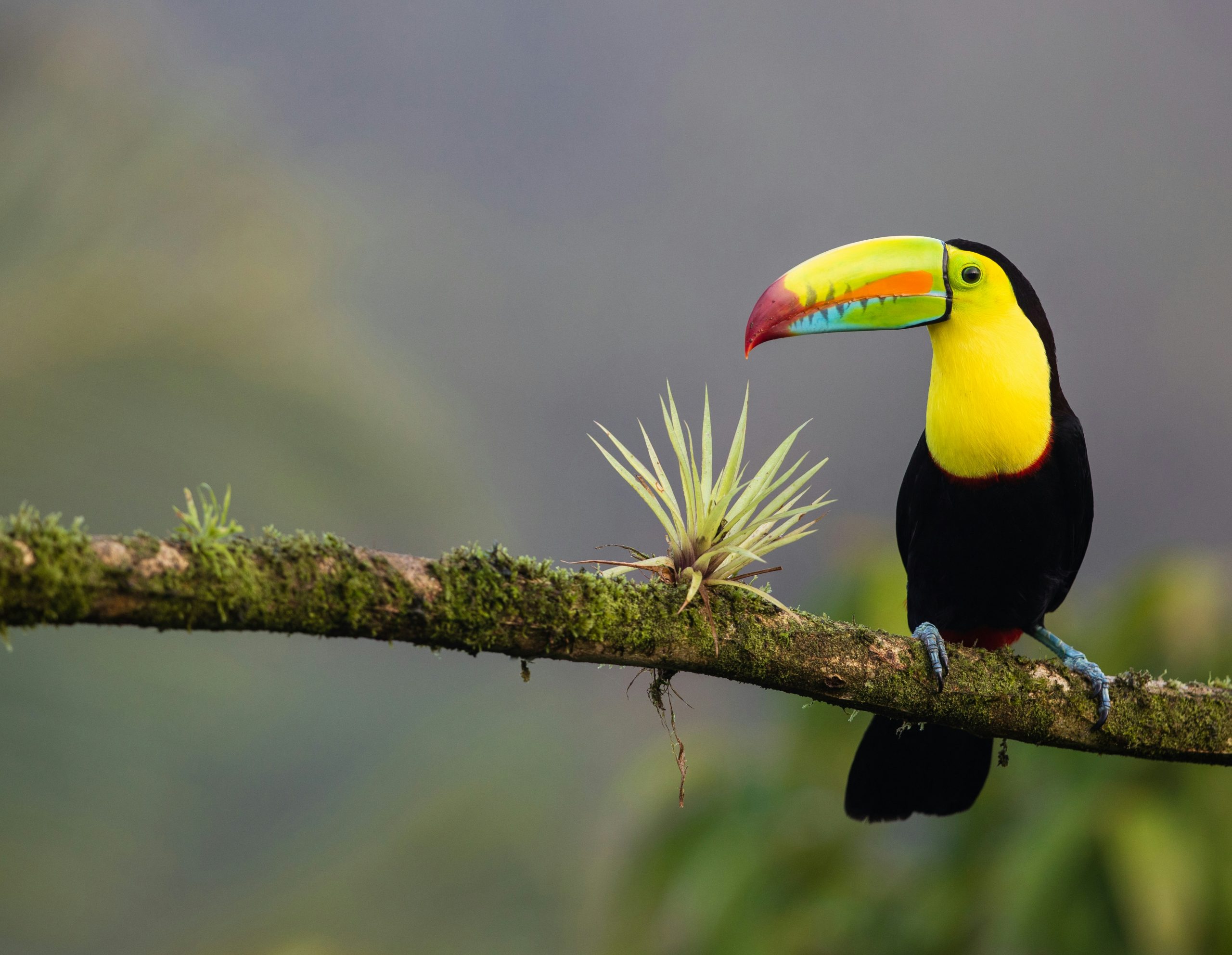


Nature holidays are on the rise, and several surveys have now predicted that 2027 might very well become the year of the birdwatching break. The hobby, long reserved for a handful of enthusiasts, is gaining momentum as travellers are seeking ways to slow down and reconnect with nature.
Birdwatching as an activity is far from new. Scientists have been doing it for centuries – if not longer – and many a household has at least one bird-identifying book sitting on a shelf. But over the last few years, an increasing number of people have started to become interested in the matter.
Travellers in particular are now organising their voyages in such a way as to be able to spot birds while on holiday. In November 2025, global travel booking platform GetYourGuide already included birdwatching in its Hidden Trends List for 2026, citing the #BirdTok movement on TikTok among other things.
And things aren’t about to change anytime soon. In a press release published in September 2026, GetYourGuide states that bookings of birdwatching experiences are up by 65% compared to the same time in 2025. #BirdTok has racked up more than 1 billion views on TikTok, while GetYourGuide research found that 45% of travellers now consider birdwatching to be cool.
“Birdwatching as a travel experience has flown well beyond being a ‘Hidden Trend.’ It’s growing in popularity every month as travellers rediscover ways to connect with nature and disconnect from the daily hustle – whether that’s among a flamboyance of flamingos in southern France or spotting rare sightings in your own city,” said Anne Wallin, GetYourGuide’s global trends and experiences expert.
The trend is confirmed by the French tour operator and travel agency Voyageurs du Monde. Birdwatching is featured in its Top Travel Trends for 2027, a list published on 13 October 2026.
“First, it was film photography. Then it was crochet. Now we’re heading into the birdwatching era. An increasingly inescapable digital society is driving a return to vintage and analogue hobbies, and 2027 is set to be the year of birdwatching,” Voyageurs du Monde writes.
According to their research, 750,000 Gen Zers in Britain regularly enjoy watching birds, representing a 1,088% increase since 2018. However, regular birdwatching has been embraced by all generations over the past eight years, with a 47% increase overall according to a study by the Royal Society for the Protection of Birds published in 2026.
Following the publication of those numbers by the Royal Society for the Protection of Birds, insurance company AllClear Travel analysed a list of over 100 of the world’s most popular birding sites in order to determine which ones are the very best. Based on a number of criteria, including the number of bird species recorded and how comfortable the birdwatching conditions are, they put together two lists: one ranking the best birdwatching spots in the world, one ranking the best birdwatching destinations in Europe.
The 10 best birdwatching destinations in the world according to AllClear
1. Manú National Park, Peru
2. Tambopata National Reserve, Peru
3. Tsavo East National Park, Kenya
4. The Pantanal, Porto Jofre, Brazil
5. Milpe Bird Sanctuary, Ecuador
6. Carara National Park, Costa Rica
7. Corcovado National Park, Costa Rica
8. Keoladeo National Park, India
9. Costanera Sur Ecological Reserve, Argentina
10. Kruger National Park, South Africa
The 10 best birdwatching spots in Europe according to AllClear
1. Falsterbo Peninsula, Sweden
2. Titchwell Marsh, England
3. Fair Isle, Scotland
4. Kalloni Saltpans, Lesvos, Greece
5. Minsmere, England
6. Lake Kerkini National Park, Greece
7. Rutland Water, England
8. Slimbridge Wetland Centre, England
9. Bowling Green Marsh, England
10. Ria Formosa Natural Park, Portugal
Given the wide variety of spots included in the rankings, travellers who want to organise a birdwatching holiday should be able to easily find a region that suits their birdwatching and other holiday needs. While planning a trip, however, it is important to take seasonality into account. Just like everything else in nature, the lives of birds are intricately linked to the changing seasons, meaning the same birdwatching spot will not deliver the same experience in February as in September.