Following deadly flooding in Bali in early September, the Indonesian government is planning to ban commercial construction, including the development of hotels and restaurants, on “productive land,” due to fears about the heightened risk of flash floods caused by overdevelopment and deforestation.
At least 18 people were killed, and nine cities, including the provincial capital of Denpasar in the central south of the island, were submerged after heavy rainfall made rivers burst their banks, according to a statement by Bali’s Disaster Mitigation Agency.
Massive floods caused by heavy rainfall in Denpasar, Bali Province, Indonesia 🇮🇩 (10.09.2025) pic.twitter.com/idud70CwFx
— Disaster News (@Top_Disaster) September 10, 2025
Environmental campaigners and experts have issued repeated warnings about the over-exploitation of Bali for tourism purposes. The government responded by publishing a list of guidelines around tourist taxes, sacred sites, the use of licensed guides and accommodation, dress etiquette, and littering – all aimed at ensuring “Bali’s tourism remains respectful, sustainable, and in harmony with our local values,” in the words of Governor Wayan Koster in March 2025.
Now it is likely that regulations will go further. Indonesia’s state news agency, Antara, reported Koster saying: “After handling the floods, we will meet again to ensure no more permits are issued for hotels, restaurants, or other facilities on productive land, especially rice fields.” The intervention will begin “this year,” Koster said, adding that “the land conversion ban will align with Bali’s 100-year plan. From 2025 onward, no productive land can be converted into commercial facilities.”
🚨⚠️ BREAKING: Bali has been hit by its most intense storms in ten years. At least six people have died and four missing.
— Volcaholic 🌋 (@volcaholic1) September 10, 2025
IT IS NOT RAINY SEASON!
📍 Denpasar pic.twitter.com/b3gl6BJHPY
Under the proposed rules, land development for private residences will still be allowed, subject to planning approval, but commercial building works would be prohibited. Perhaps counter-intuitively, Bali’s environment minister, Hanif Faisol Nurofiq, has described the moratorium on new restaurants, hotels, and commercial facilities as “crucial for Bali’s tourism,” noting that “the recent flooding has drawn serious attention.”
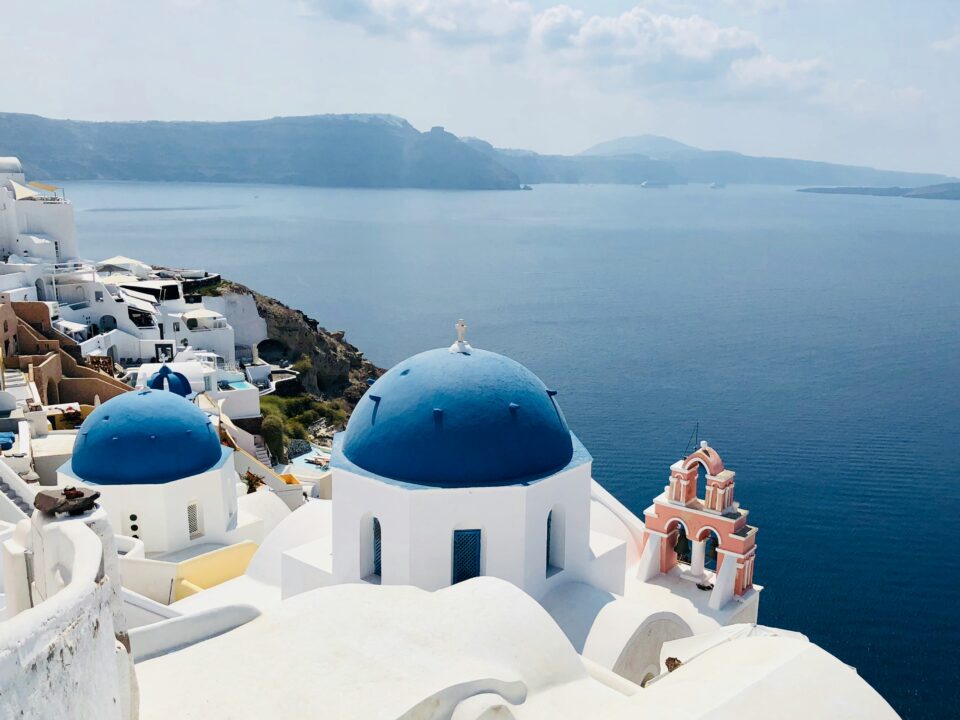
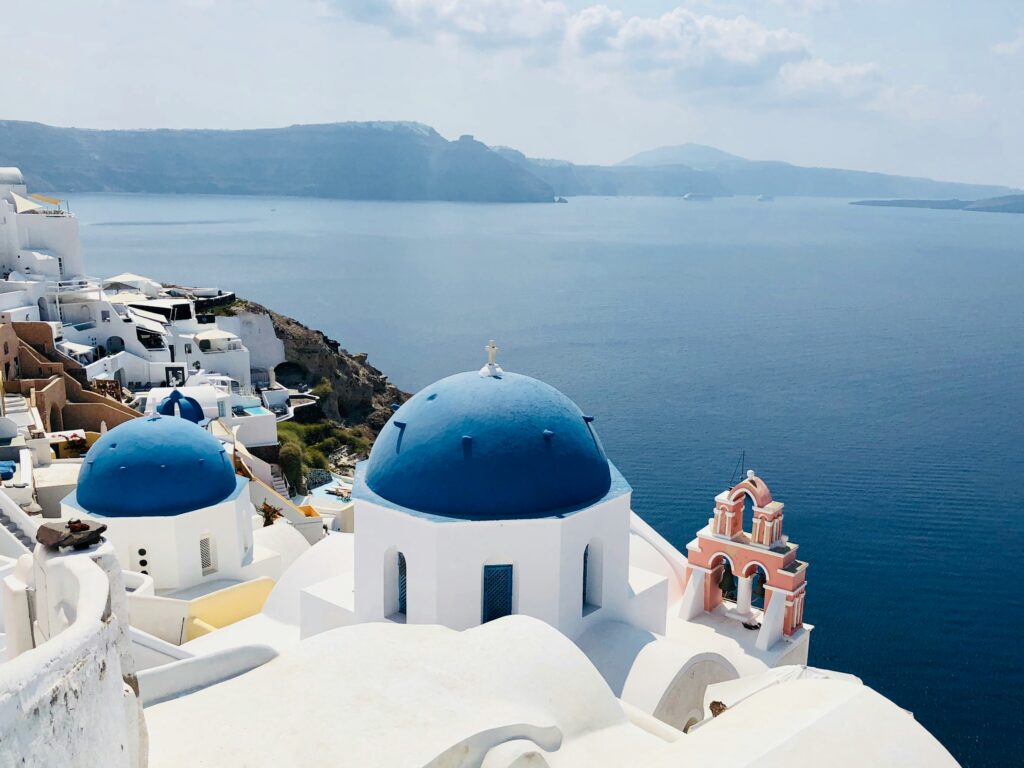
His words echo those of Santorini’s mayor Nikos Zorzos, who in 2024 called on the Greek government to “halt the construction of all types of hotel units, short-term rentals, and especially strategic investments, not only for the caldera but for the entire island of Santorini.” If tourism were not managed in a more “rational” way, Zorzos warned, the island’s popularity with visitors and therefore its economic success would ultimately be threatened as overtourism “consumes the place and reduces its advantage as a destination.”
In Bali, which welcomed 2.9 million foreign visitors through Bali airport alone in the first half of 2025, the number of hotels grew by seven percent in the four years between 2019 and 2023, to reach a total of 541 on a territory of 5,633 km2.