


Hyatt Hotels Corporation is testing the removal of free breakfast at around 40 of its US properties under the Hyatt Place brand, meaning complimentary morning meals are no longer guaranteed for all guests. Hyatt Place, which operates more than 400 hotels worldwide, has long been associated with an included breakfast buffet. On its website, the brand now states that free breakfast is available at “most” locations, suggesting the perk is no longer standard everywhere.
Instead of automatically bundling breakfast into the room rate, some hotels are offering different booking options. Guests can select a lower rate without breakfast or pay more for a package that includes it. According to Hyatt, top-tier members of its loyalty program still receive a complimentary breakfast. The company says it is evaluating the pilot before deciding on wider changes. For travellers used to a free breakfast, the new structure may require adjusting their morning routine.
Hyatt is not alone in adjusting its breakfast offer. Holiday Inn, owned by IHG Hotels & Resorts, has replaced its traditional à la carte breakfast at many US locations with a more standardised buffet.
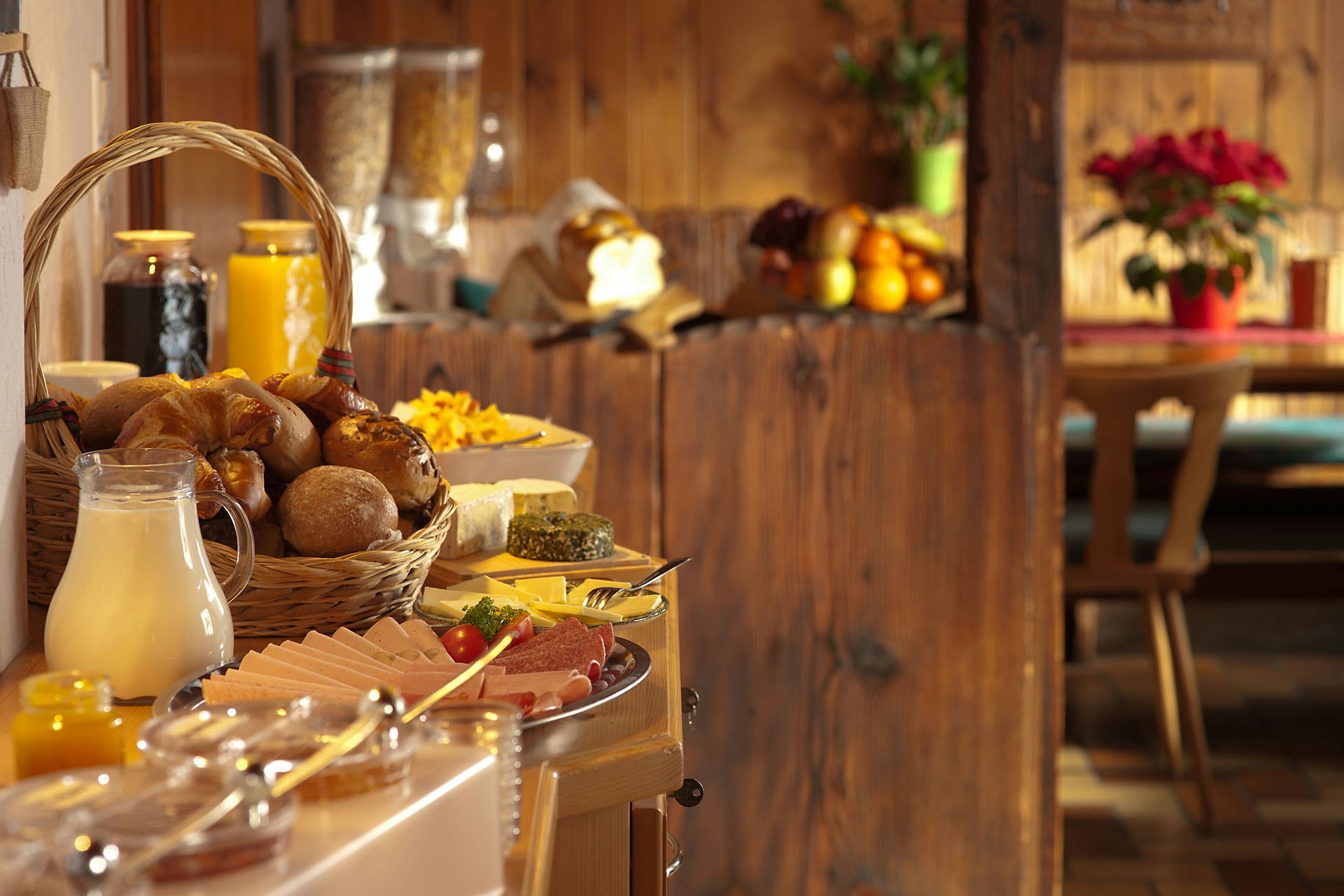
Travel blogger Gary Leff reported that the menu is tightly controlled, with bulk cereals, limited fruit options and branded baked goods. He says this approach “ensures consistency” but also highlights how strongly costs are being managed. Leff adds that “quality can vary widely and that cost cuts have accelerated since the COVID-19 pandemic.”
Other hotel groups are experimenting too. Some luxury Marriott International properties now offer bonus points or discounts instead of free breakfast for certain loyalty members. Midscale brands like Best Western say they remain committed to complimentary breakfast. The result is a patchwork system: whether breakfast is included now depends on the brand, location and room rate.
The free hotel breakfast became common in the United States during the 1980s and 1990s. Midscale and limited-service hotels began offering hot buffets to attract families and business travellers. The breakfast buffet became a way to stand out from competitors.
For many guests, the morning waffle maker and self-serve cereal bar became part of the travel experience. Hotels saw breakfast as a “loss leader”, a service that might not make direct profit but encourages bookings and loyalty. By offering free food, brands hoped guests would return and join their reward programmes. Over time, what started as a pleasant surprise became an expectation. Once travellers began to assume breakfast was included, removing it became more difficult.
One of the main reasons hotels now are reconsidering free breakfast is financial pressure. Breakfast service can represent around five percent of a hotel’s revenue, and even more once staff costs are included. In an industry known for thin profit margins, that is significant.
Since the COVID-19 pandemic, operators have reviewed almost every cost line. Housekeeping has been reduced at some properties, small toiletry bottles have been replaced with wall-mounted dispensers, and other extras have quietly disappeared. Breakfast is part of this broader efficiency drive. Hotels are also finding new ways to manage revenue, including shorter check-in and check-out windows. A recent study in the UK found that some chains now give guests less time in their rooms than before, with early check-in or late check-out often carrying extra fees. In some cases, hotels even rent rooms during the day to increase revenue.
At the same time, the travel market is being shaped by what executives call a “K-shaped economy.” This term describes a situation where higher-income consumers continue to spend strongly, while middle- and lower-income groups feel more pressure. Luxury hotels may be able to charge for high-end breakfast options without losing customers. Midscale hotels, however, compete heavily on visible value. For them, removing breakfast risks upsetting guests who see it as part of the overall deal.
Research shows that breakfast remains important to many travellers. A large share of hotel guests who eat on property choose breakfast, and in midscale segments, nearly half consider complimentary breakfast a “must-have” feature. Families often plan their stay around it, seeing it as a way to save money and simplify mornings. For them, breakfast is not just food but part of the holiday routine.
Some travellers accept that “free” breakfast is built into the room price. Even so, they appreciate the convenience and variety. Others worry that as hotels introduce room-only rates, comparing options will become more complicated. Instead of assuming breakfast is included, guests may need to check carefully before booking. As hotels continue to test new models, the once-standard free breakfast in America is becoming less predictable than it used to be.