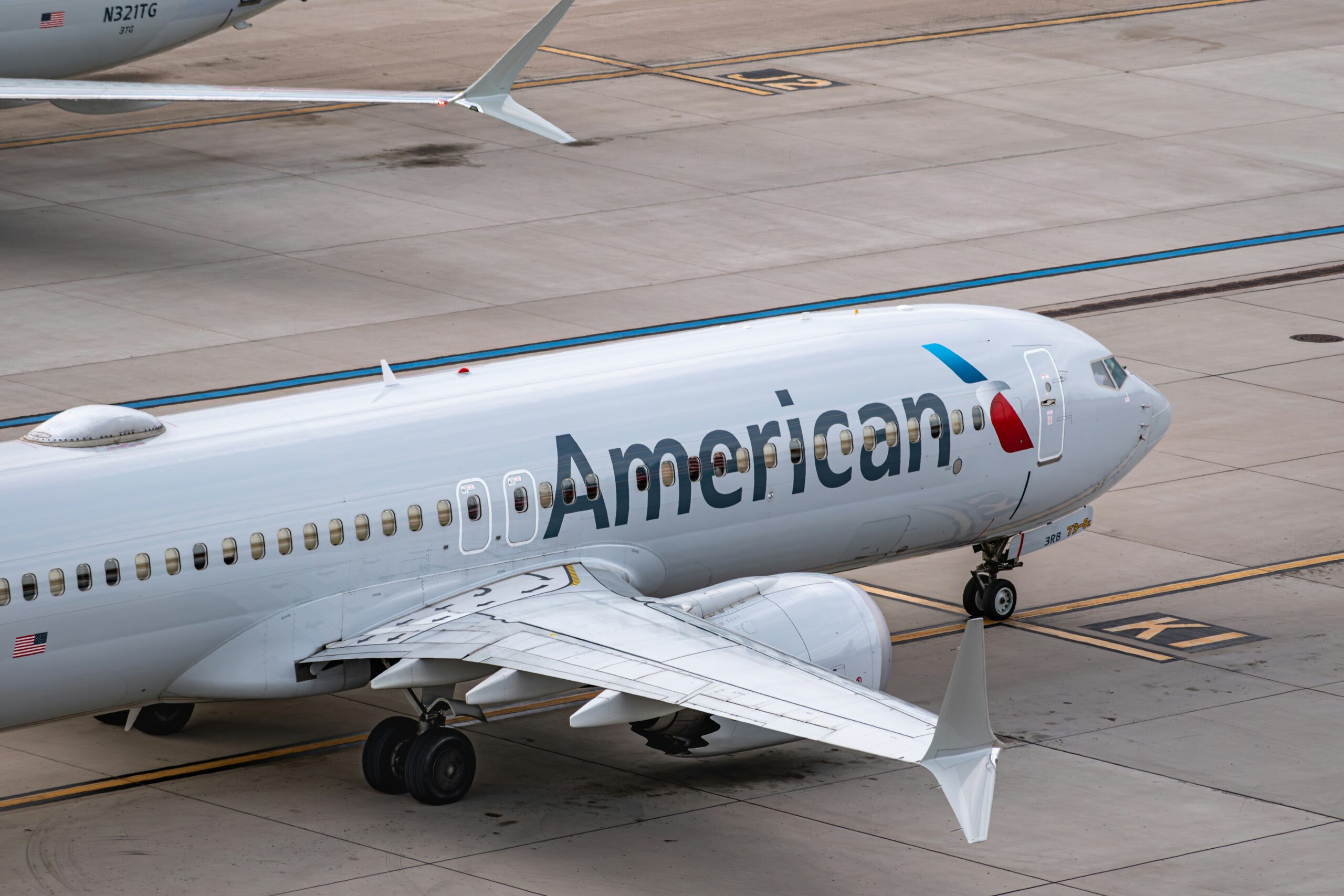

A passenger on an American Airlines flight from Miami to Tampa was removed from the aircraft after playing a video on her mobile phone through the loudspeaker. Cabin crew reportedly asked the passenger to either stop the video or switch to headphones, but the situation escalated when she refused to comply.
Crew members reportedly warned the passenger twice about the noise coming from her phone. Playing audio through a speaker can disturb other travellers, especially in an aircraft cabin. Witnesses on board said the passenger began arguing with the crew and used offensive language during the exchange. When the confrontation continued, the crew decided that the passenger’s behaviour was disruptive.
Police officers were then called to the aircraft and boarded the plane to deal with the situation. They spoke to the passenger and asked her to leave the aircraft before departure. Other travellers recorded the confrontation on their phones, and videos later circulated online. As she was escorted off the plane, the passenger reportedly complained that she had only played the video for about 30 seconds.
According to the footage, the passenger continued arguing with officers and other travellers while leaving the aircraft. She questioned why she was being removed and insisted the video had not been very loud. At one point, she addressed other passengers who had been filming the incident. Several people in the cabin applauded once she had left the aircraft and the disruption was over.
The incident highlights how airlines are increasingly enforcing rules designed to keep cabins quiet and comfortable. Many carriers have policies requiring passengers to use headphones when watching videos or listening to music on personal devices. These rules aim to prevent noise disturbances in the confined environment of an aircraft. If travellers ignore such instructions or become disruptive, airlines have the right to remove them from the flight.
Behaviour rules are included in airlines’ conditions of carriage, the agreement passengers accept when they purchase a ticket. These conditions explain that travellers must follow instructions from crew members and behave respectfully toward others on board. When passengers refuse to cooperate, airlines can deny transport or even impose travel bans. Similar rules are applied by other carriers, including United Airlines.
Questions about headphone use on planes have been discussed before. In a previous debate, a passenger described a situation involving a flight attendant on a flight operated by Delta Air Lines. According to a post that circulated widely online, the crew member refused to serve passengers unless they completely removed their headphones. The story sparked discussion about what passengers should do when interacting with flight attendants.
Many travellers wear headphones or earbuds during flights to watch films, listen to music or enjoy podcasts. Removing them every time a crew member passes by can feel inconvenient, especially during meal or drink service. However, aviation professionals say there are important reasons why crew sometimes ask passengers to take them off. Flight attendants are responsible not only for service but also for safety.
Safety procedures require passengers to be able to hear announcements and instructions from the crew. These instructions may involve seatbelt signs, turbulence warnings or emergency procedures. Crew members also cannot always know whether a passenger’s earbuds automatically pause when someone speaks. For that reason, they may insist on passengers paying full attention during interactions.
Following instructions from the crew helps ensure that flights run smoothly and safely. Small issues such as noise from personal devices can quickly create tension in the close quarters of an aircraft cabin. Airlines, therefore, encourage passengers to use headphones and remain attentive when crew members address them. The recent incident on the American Airlines flight shows how seriously carriers now take these rules.