Songkran is a traditional Thai New Year, which is celebrated annually from April 13th to 15th, although in some regions, celebrations can last up to a week, as this holiday is one of the most important country’s festivals. Songkran is a vibrant combination of ancient traditions, spiritual purification, and entertaining street events, the main highlight of which are massive water fights. However, there is a rich cultural foundation behind the funny part, in December 2023, UNESCO added Songkran to its Representative List of the Intangible Cultural Heritage of Humanity.
The name “Songkran” comes from the Sanskrit word “Sankranti,” which means “entering” or “moving” in the context of the sun’s astrological movement — in this case, it refers to the sun’s annual transition into the Aries constellation, the first sign of the Zodiac circle, which marks the traditional start of the new year in Thailand and symbolizes a time of renewal.
It takes place in the middle of April, following the rice harvest, and is a time when people honour elderly people, ancestors, and sacred Buddha statues. During Songkran, pouring water is an important ritual that represents purification, respect, and good fortune. Historically, Songkran is associated with Buddhist traditions and the agricultural cycle, marking the end of the dry season and the arrival of rains necessary for rice crops.
During Songkran, it is customary to show respect for elders, do good deeds (give alms to monks), visit temples and purify the soul from the negativity accumulated over the past year. One of the main rituals is to pour scented water over the hands of the older family members as a sign of respect and blessing, receiving in return floral garlands. It is also customary to clean houses, temples, images and statues of the Buddha — this symbolizes deliverance from adversity and the beginning of a new, clean life.
Songkran’s boost to Thai travel
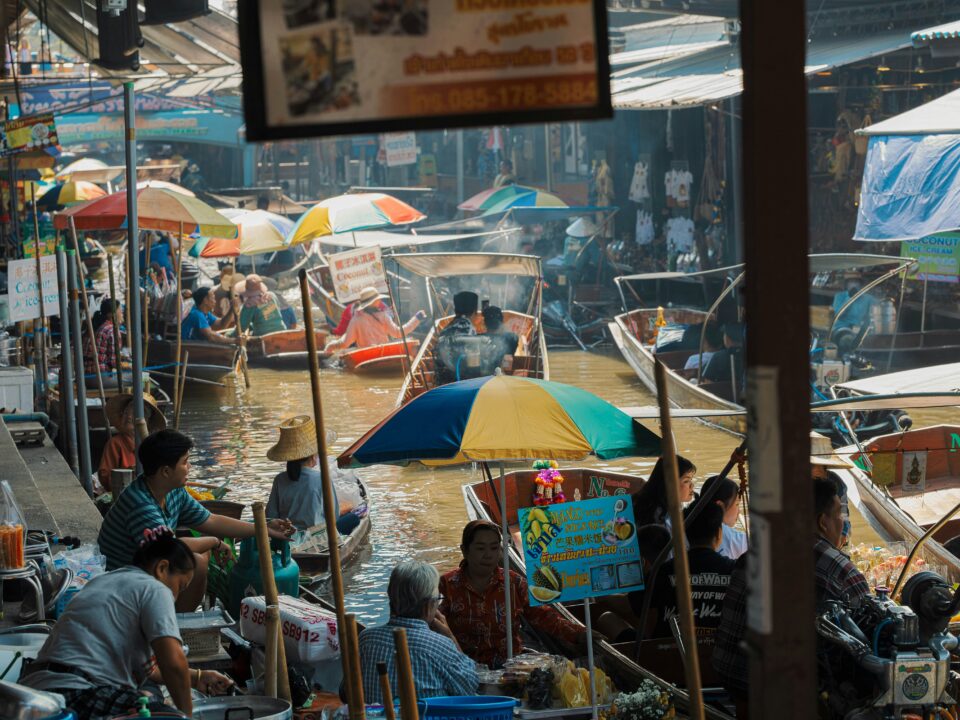
Songkran festivities are celebrated across Thailand in almost every city, town, and village. While some events are organized by local authorities, numerous hospitality venues like theme parks, hotels, restaurants, and bars also host their own Songkran parties. In certain areas, water fights are restricted to a single day, so it’s better to confirm the details on the spot. The Tourism Authority of Thailand has compiled a list of official celebrations for the Maha Songkran World Water Festival 2025, including various events planned in Bangkok, Phuket and other cities across the country.
Thailand is currently attracting tourists from all over the world, local Tourism Authority reported that in 2024, the country received over 35 million foreign visitors, generating over 1.8 trillion baht (€49 billion). For 2025, the goal is to welcome 39–40 million tourists and generate about 3 trillion baht (€82 billion) in revenue, which is the same amount as before the pandemic.
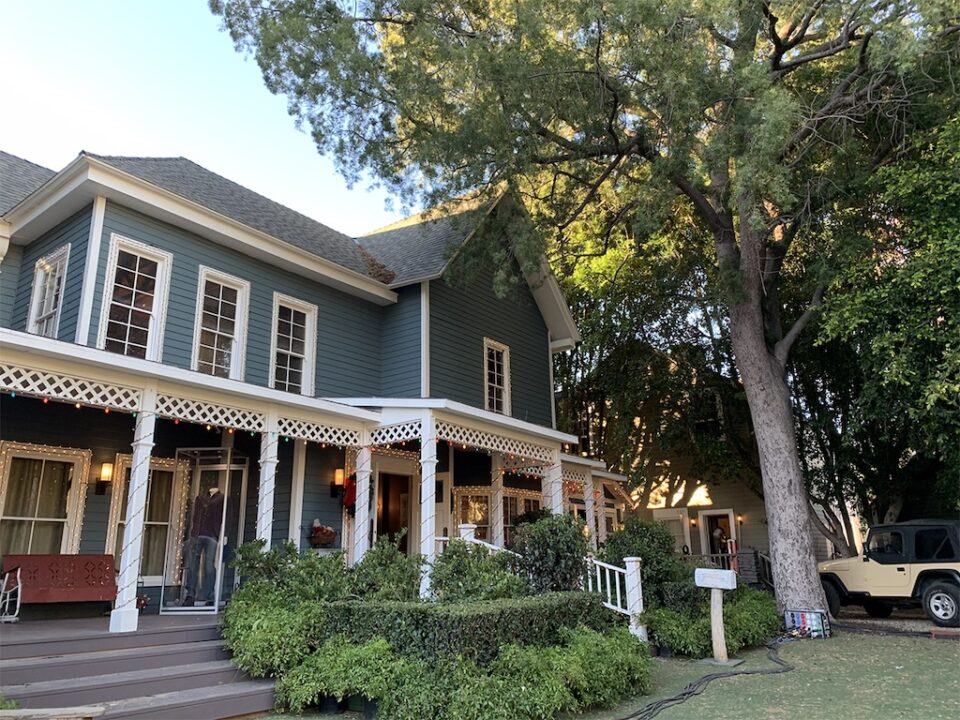
The recently fully released season 3 of the popular HBO series, White Lotus, which was filmed in Thailand, has increased interest even more, inviting fans to travel to new locations and have a genuine set-jetting experience. In the fourth episode of the show, when the main characters, Jacqueline, Kate, and Laurie, visit a nearby village during the Songkran festival, they see a colourfully dressed crowd battling with water guns, and being unaware of anything, they end up getting completely soaked with water as well. This scene serves as a cultural touchpoint, and by including Songkran in the storyline, the show gives viewers a glimpse into Thailand’s vibrant traditions and enhances the plot with real cultural context.
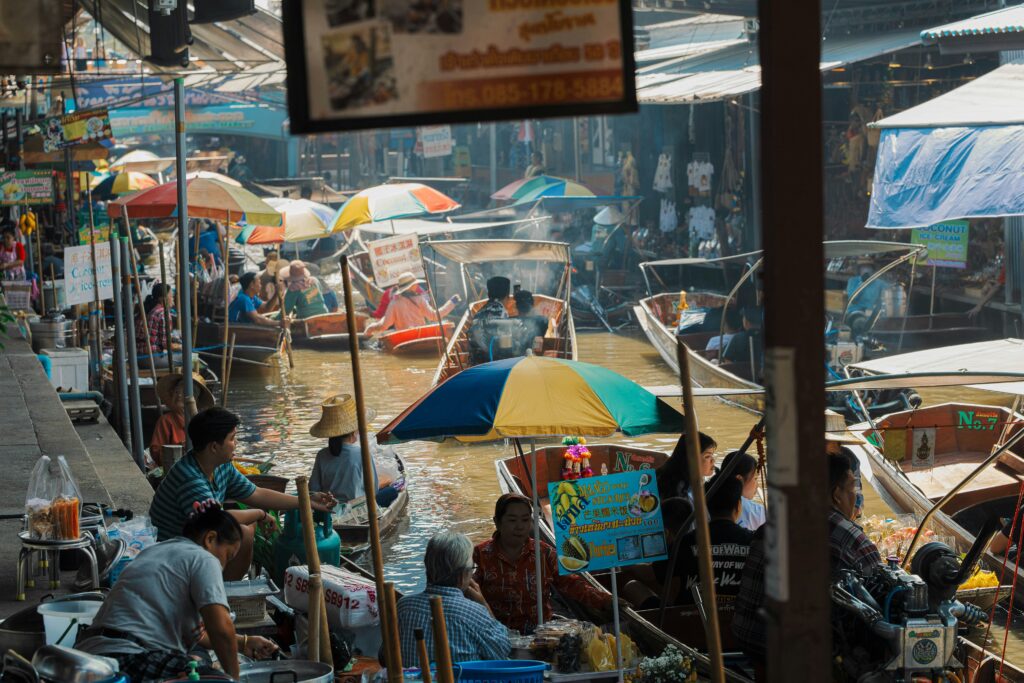
Today, Songkran has already become famous far beyond the borders of Thailand. During the festival the streets of cities turn into battlefields: people arm themselves with water pistols, buckets and hoses, and no one can stay dry on this day — neither locals, tourists, nor just passers-by, and even transport — everyone gets doused. Initially, the tradition of water pouring symbolized purification from sins and bad karma, however, over time, this ritual turned into mass fun.
A similar festival exists in Armenia, called Vardavar, it also has religious roots and is known for the custom of water battles, which is enjoyed by both adults and children, especially during a hot summer. April is the hottest month in Thailand, so water is perceived as a long-awaited escape from the heat.

Songkran encourages forgiveness, unity, and joint endeavours throughout the community. It is seen as an opportunity to honour elders and ancestors, pray for prosperity in the upcoming year, and symbolically wash away misfortunes. It is also a way to cope with loneliness, as the celebration and festivities emphasize the importance of family bonding, friendships and relationships. Songkran is an unforgettable experience, and whether you are a follower of spiritual practices or just looking for a fun adventure, it will be a great opportunity to celebrate the beginning of the year in a Thai way.