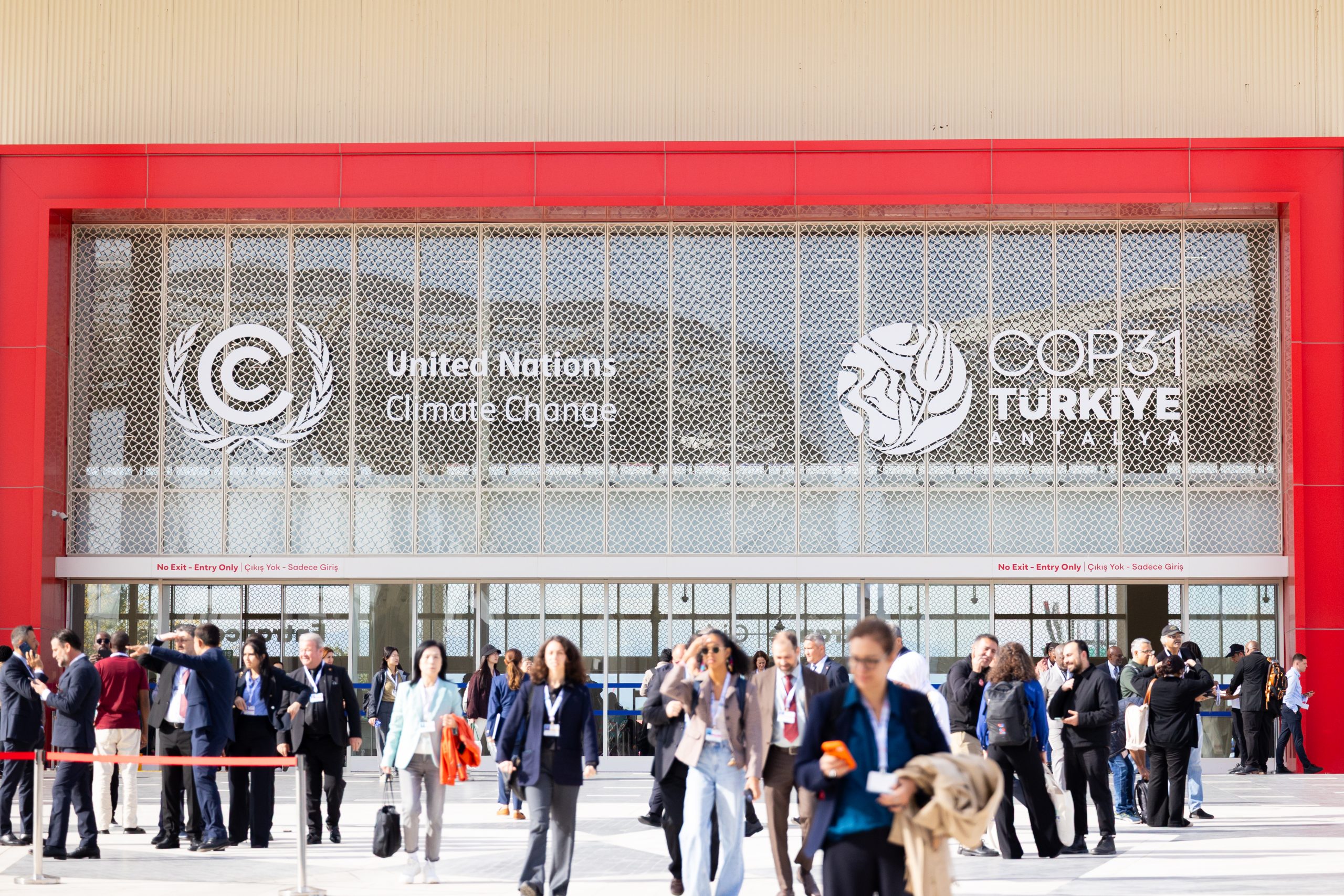


The UN’s Climate Change Conference in Antalya collapsed on Sunday, 22 November 2026. A final draft deal was rejected by the EU, the UK, and other participating nations for failing to omit fossil fuels, which had been one of the key subjects of COP31.
Representatives from nearly 200 nations from all around the globe had planned to gather in Antalya, Türkiye, from 9 to 20 November 2026 for COP31. The goal of the 31st meeting of the Conference of the Parties to the UN Framework Convention on Climate Change was to “allow governments to assess progress and negotiate how to tackle a challenge that no nation can solve alone.”
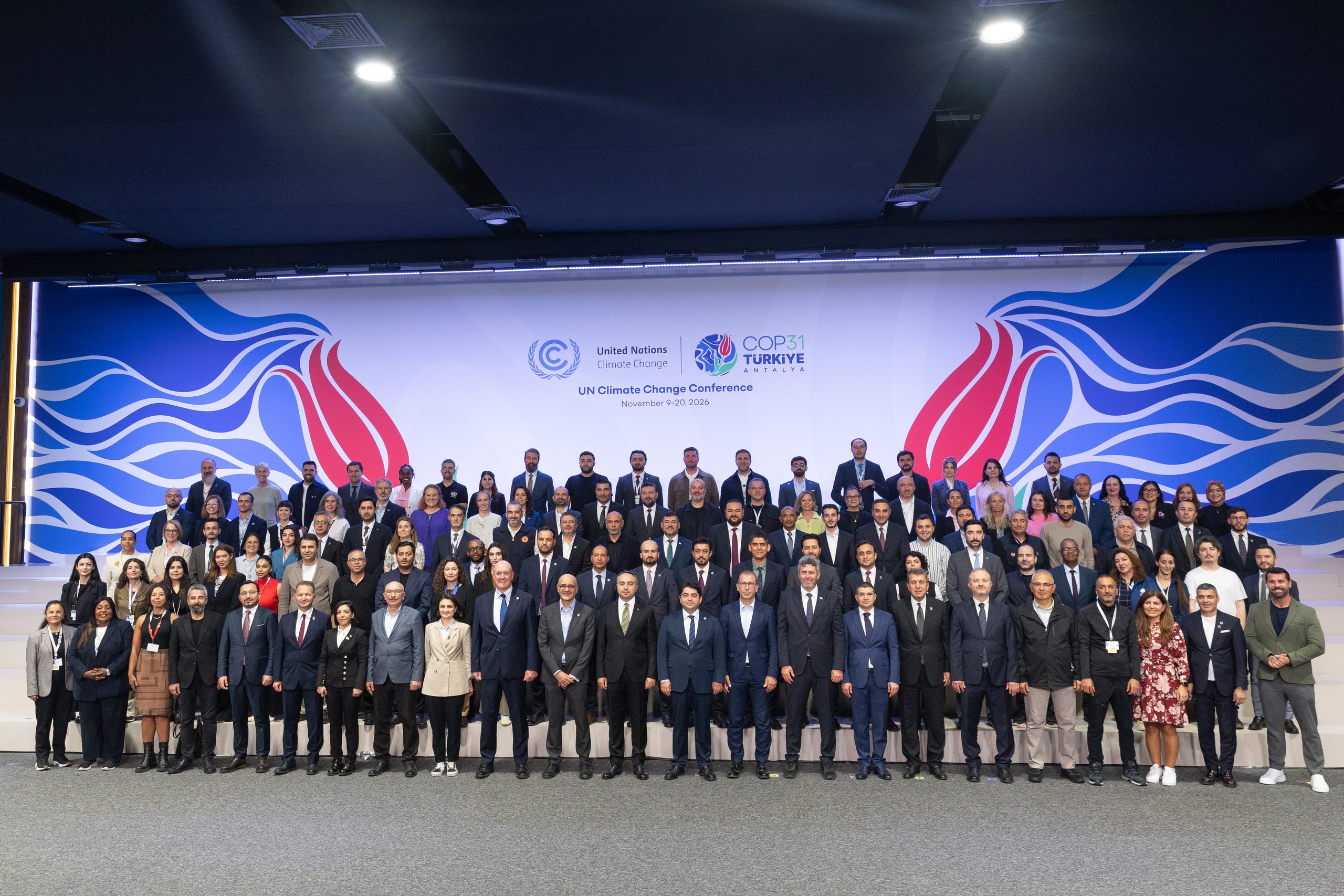
One of the main themes of this year’s COP, co-hosted by Türkiye and Australia, was the phasing out of fossil fuels, considered by many as a key driver behind the climate crisis. This, however, proved to be a sore point and an endless source of discussion throughout the conference. Other subjects on the agenda of COP31 included industrial carbon capture, the storage of pollutants, and increasing global electrification.
After an opening draft released by Australia on 16 November calling for a quicker phase-out of fossil fuels was rejected, reportedly due to protests from Saudi Arabia and other oil and gas producers, a second draft released on 19 November did not mention fossil fuels at all. This, in turn, was cause for objection by numerous countries including France and Panama, who said a clear transition away from fossil fuels must be part of the final deal.
"We are disappointed by the outcome of the COP31. The world urgently needs decisive action. We could not accept an outcome that failed to meet the moment. For us, consensus cannot mean the lowest common denominator. We could not endorse a decision that greenwashes fossil fuels. ↓
— European Commission (@ec.europa.eu) 23 ноября 2026 г. в 19:24
In the end, COP31 discussions were extended until Sunday 22 November 2026 in order to try and reach a consensus regarding the final deal, turning the COP31 into the longest-ever UN climate conference.
The final draft, published early on Sunday, however, was rejected by the European Union and other participants as it still failed to mention a clear transition way from fossil fuels. As all nations participating in the COP31 needed to consent to a cover decision in order for it to be adopted, the conference thus came to an end without a so-called Antalya Pact.
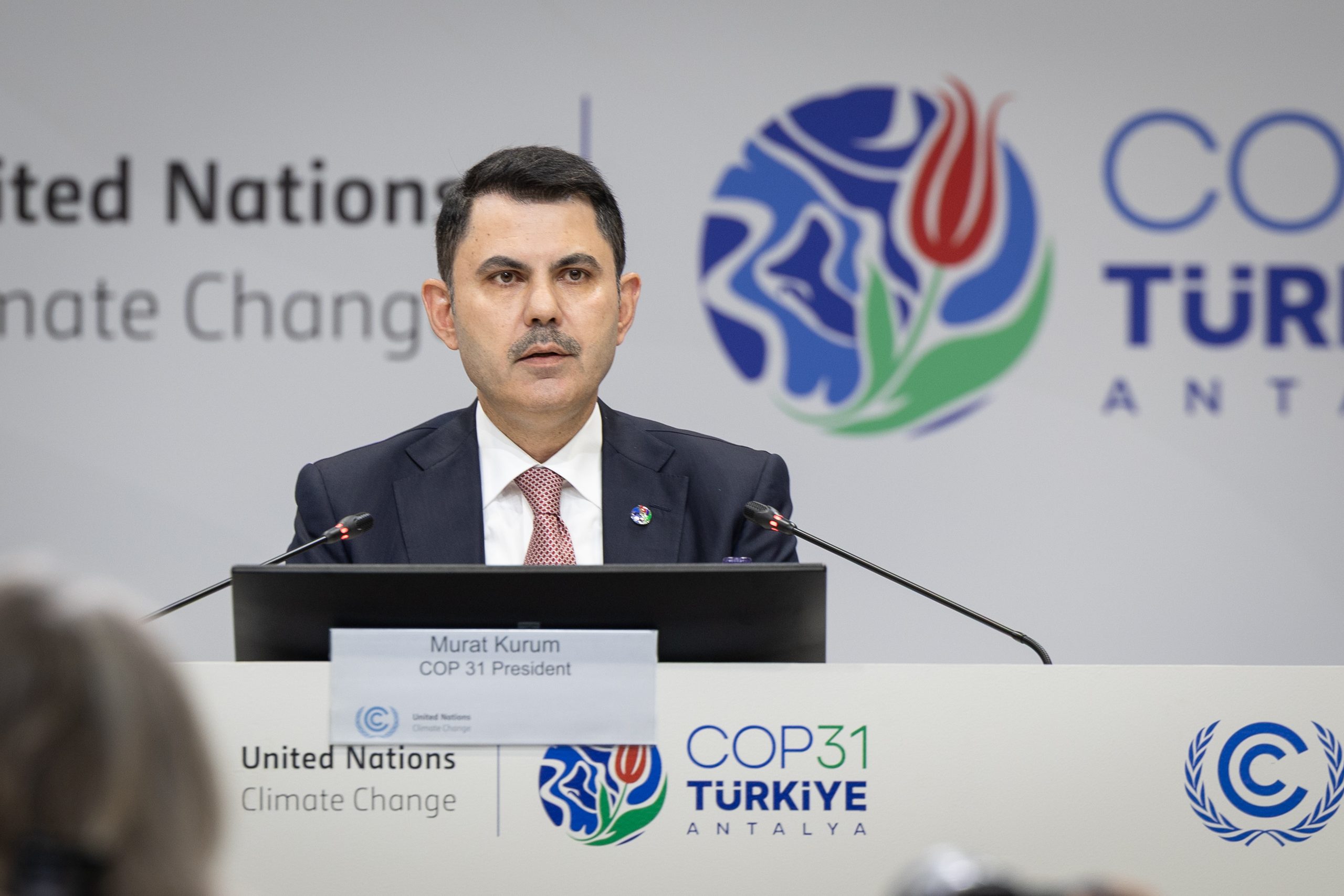
“I understand that there is no agreement on this text. For that reason, these decisions have not been adopted,” COP31 President and Turkish Environment Minister Murat Kurum said during the closing session of the conference.
The failure to reach a consensus has led many stakeholders to express their disappointment. Ireland’s Climate and Energy Minister Darragh O’Brien, for example, who spoke on behalf of the EU, said the conference was “hijacked by some oil states”, and the draft did “not meet the moment”.
French Ecological Transition Minister Monique Barbut also commented on the proposal, stating it was a “backward” step.
“I share the very profound frustration of all those who expected governments to rise to the moment the climate crisis demands. Those who profit from the destruction of our planet must never dictate the terms of the fight to save it. Fossil fuels are driving the climate crisis,” United Nations Secretary-General António Guterres said in a statement.
I’m deeply disappointed that #COP31 has ended without consensus on an overarching outcome. I share the very profound frustration of all those who expected governments to rise to the moment the climate crisis demands. But this setback does not change the facts. There may be no consensus in the negotiating room, but there is no ambiguity in the science. The take-home message from COP31 is clear: The world must do much more to confront the climate crisis. And it must do it now. https://t.co/j05tHQA8AM
— António Guterres (@antonioguterres) November 22, 2026
Although the COP31 did not reach a final deal, more than 90 countries did sign a pledge to increase global electrification to 35% by 2035. However, the Global Climate Action Agenda Electrification Delivery Package does not mention whether that electricity should be generated solely through renewables or also through fossil fuels, which once again underlines the sore point of this year’s conference.
At a moment in time when experts say cutting fossil fuel emissions is essential to avert some of the most catastrophic effects of global warming, and when global warming is on course to exceed 1.5 degrees Celsius, the failure of COP31 might have devastating consequences.