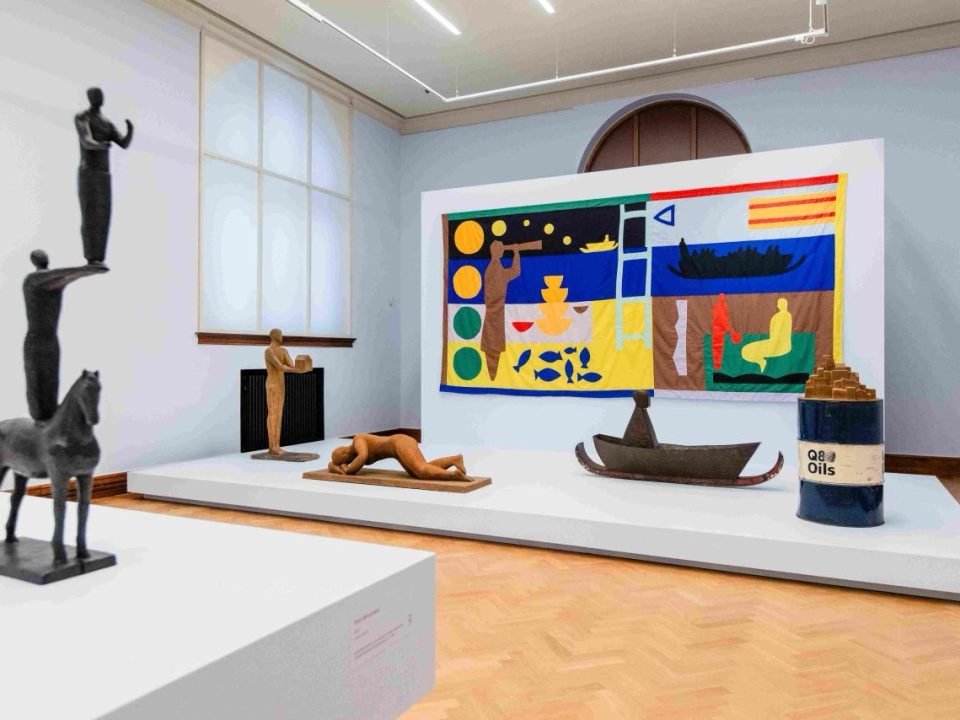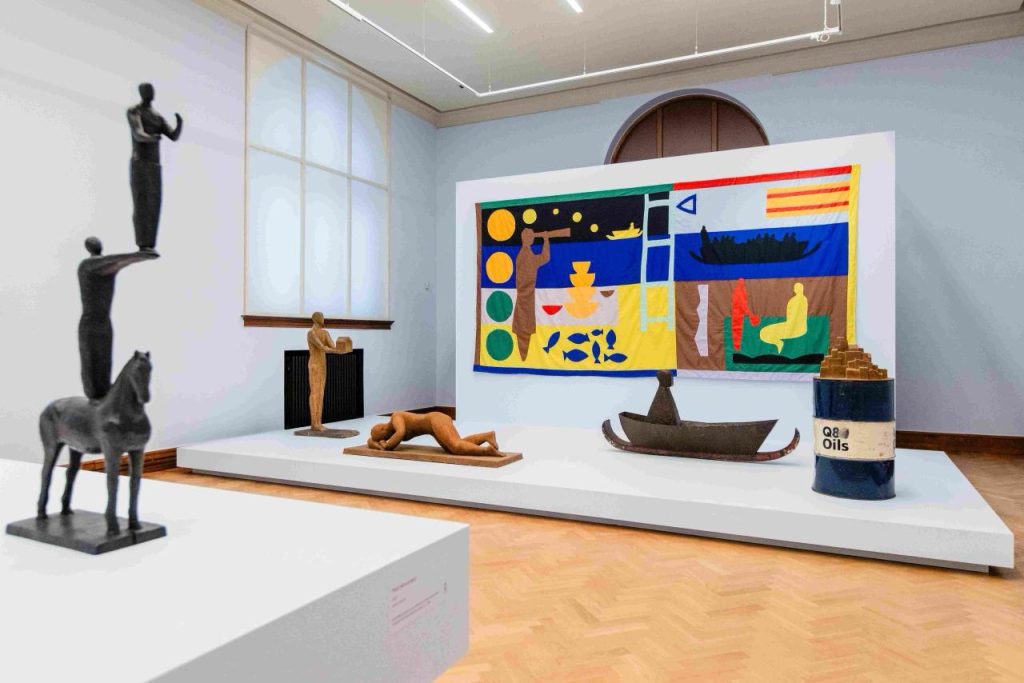



Belgium’s first living cat museum opened to the public on 13 November in Asse, just outside Brussels. On the De Morette estate, Catland shares its grounds with some 25 rescue cats. Visitors can sing karaoke entirely in meows, see a mummified cat, and walk through a garden where the museum’s residents decide whether to come over for a little rubb.
Founder Kevy Van Belle spent more than a decade developing Catland. His family runs Fascineum Experience Museums, the Belgian company behind the Choco-Story chocolate museums and the Frietmuseum, which is dedicated to Belgian fries. It took six and a half years to secure permits for the protected estate, followed by two and a half years of construction.
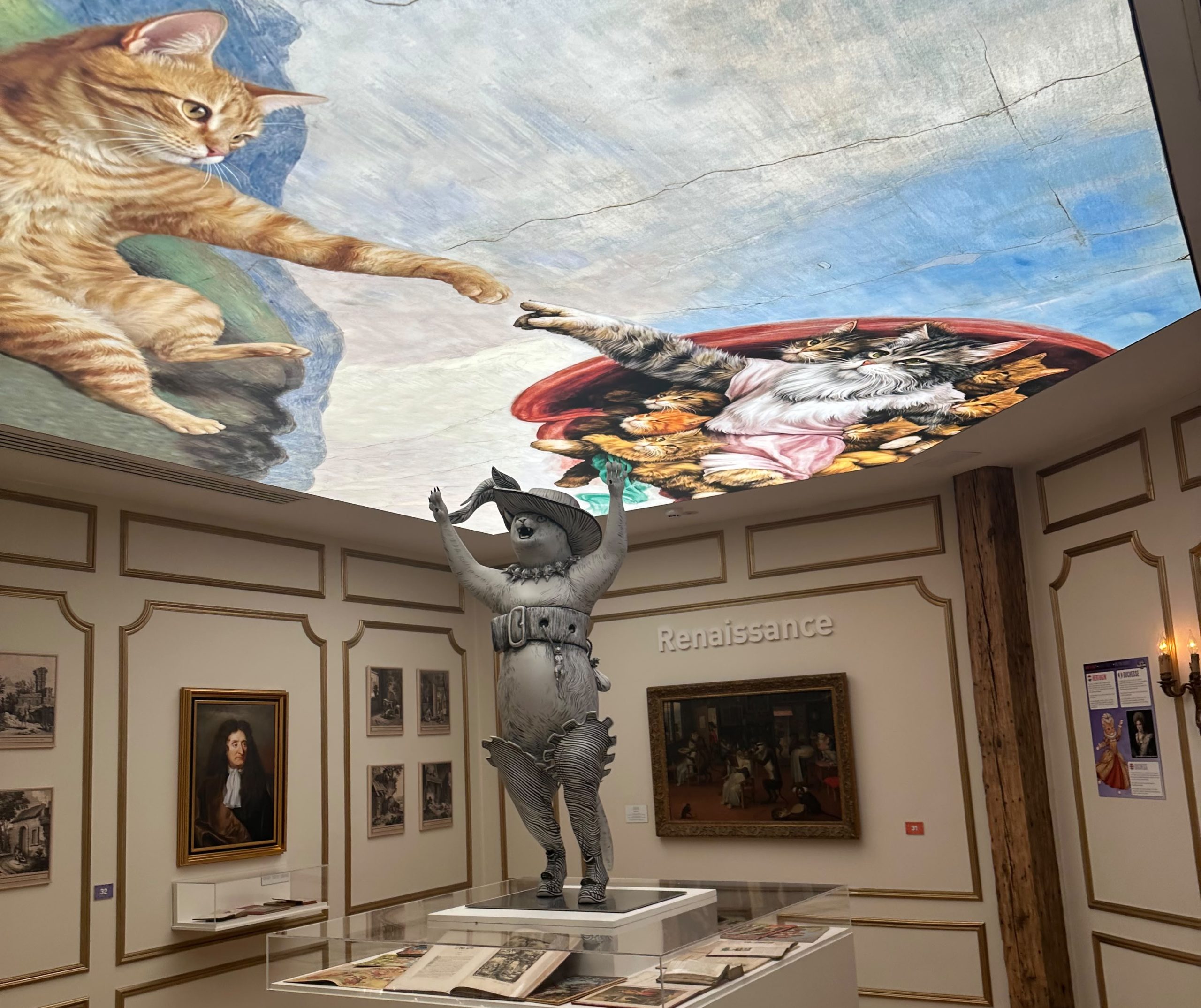
Across 22 rooms, the exhibition traces how cats evolved and how people have depicted them over the centuries. A statue of the goddess Bastet stands against a wall of hieroglyphs in the ancient Egyptian section. In the Renaissance room, two cats reach towards one another on a ceiling inspired by the Sistine Chapel. A display on Japan features an oversized maneki-neko, the familiar beckoning cat.
Garfield, Sylvester and Tom from Tom and Jerry appear in a room devoted to popular culture, alongside original comic art. Visitors can also try a scratching post or step into a soundproof karaoke booth, where they meow along to around 15 familiar tunes. The exhibition ends with footage of Happy, Van Belle’s late ginger cat, whom he chose as the museum’s mascot.
All the cats living at Catland come from partner shelters. New furry friends spend time in quarantine before keepers gradually introduce them to the group. The museum has permission to house up to 150 cats, although Van Belle says the number will depend on how well the animals live together. “We’re not trying to reach that number at any cost,” he told to The Bulletin. “Animal welfare is our absolute priority.”
The cats have between 600 and 800 square metres of indoor space to climb, play and rest, while visitors can watch them through glass. Outdoors, footbridges and streamside paths run through a 6,000-square-metre garden, where the cats can roam freely, while there are some areas open only for four-legged locals, so they can rest away from fans (public). Before entering the garden, all visitors must disinfect their hands and shoes.
Van Belle hopes visitors will learn more about feline behaviour, responsible cat ownership and the importance of neutering, telling The Brussels Times, “Our goal is for visitors to leave feeling that they’ve learned something useful.”
Tickets must be booked online for a timed entry. The museum and garden take around two to three hours to visit, and an audio guide is included in eight languages. Visitors arriving by public transport can get off at the Asse De Morette bus stop beside the entrance.