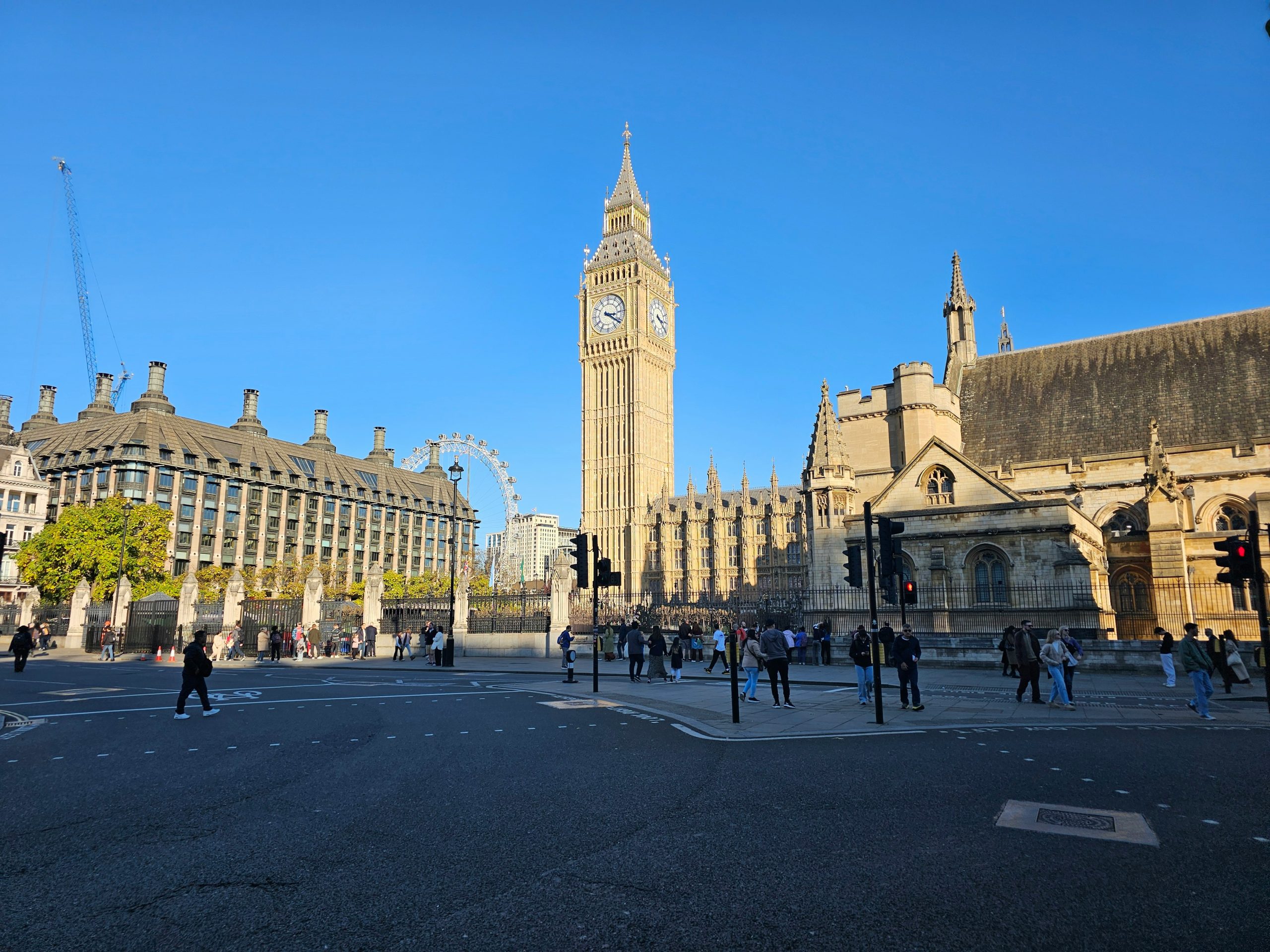


A century after Parliament Square in London became the United Kingdom’s first designated one-way traffic roundabout, proposals are on the table to pedestrianise the public space around some of the country’s most iconic architecture.
The Parliament Square Streetscape Project aims to improve the “safety, security and quality of the public realm” in the square, which is surrounded by the Houses of Parliament and Big Ben (Elizabeth Tower), Westminster Abbey and St Margaret’s Church, the Supreme Court of the United Kingdom (Middlesex Guildhall), and a suite of government offices along Whitehall.
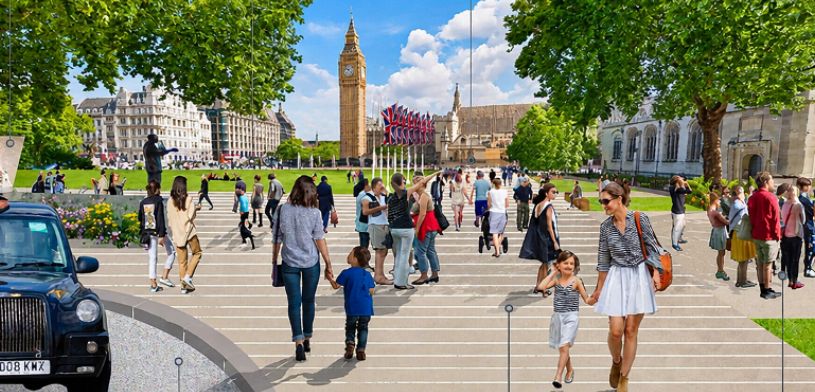
Despite its location at the heart of London, and a central green space where twelve statues of famous figures, such as Winston Churchill, Nelson Mandela, and Abraham Lincoln, stand, the roads nearby do not offer much grandeur. Previous attempts to improve the area have failed partly because the land ownership is complex. However, a freedom of information request reported by IanVisits reveals that the latest project has the support of Parliament, Transport for London and Westminster City Council.
The move may also have picked up traction as it comes after a deadly terror attack in 2017, in which a jihadi drove a car into pedestrians on Westminster Bridge and Bridge Street, injuring more than 50 people and killing four. The perpetrator then crashed the car into the perimeter fence around the Palace of Westminster (the Houses of Parliament), where he fatally stabbed an unarmed police officer. He was then shot dead by another officer.
Still at the concept stage, any prospective changes to the public space will require a consultation process, but a spokesperson for the Mayor of London has described the project as a “shared ambition,” which will “explore options to make this iconic location safer, more secure and more welcoming.”
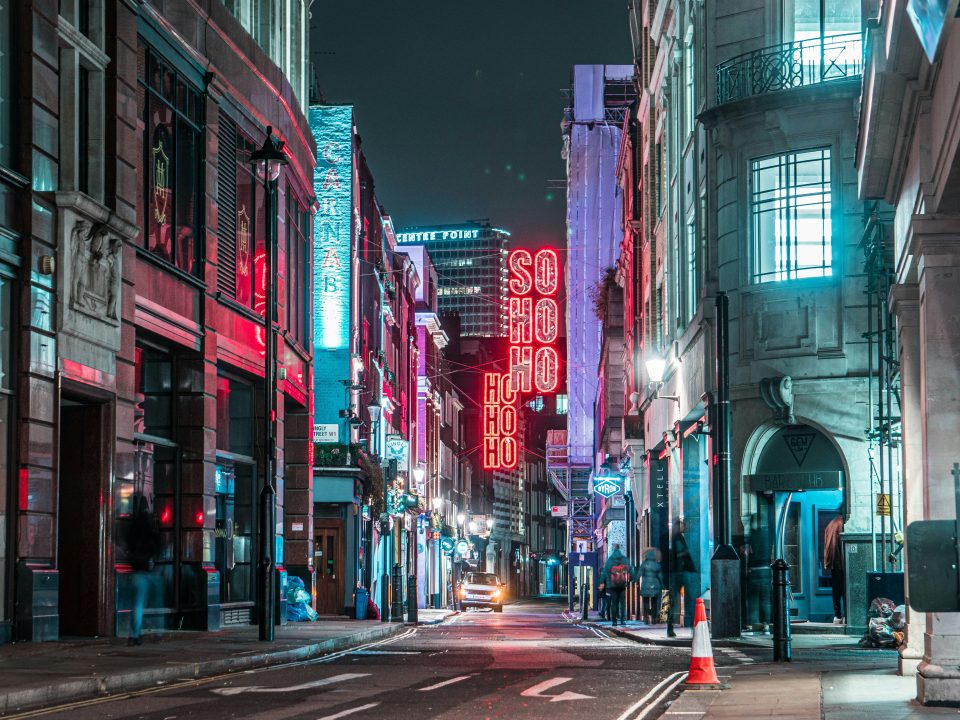
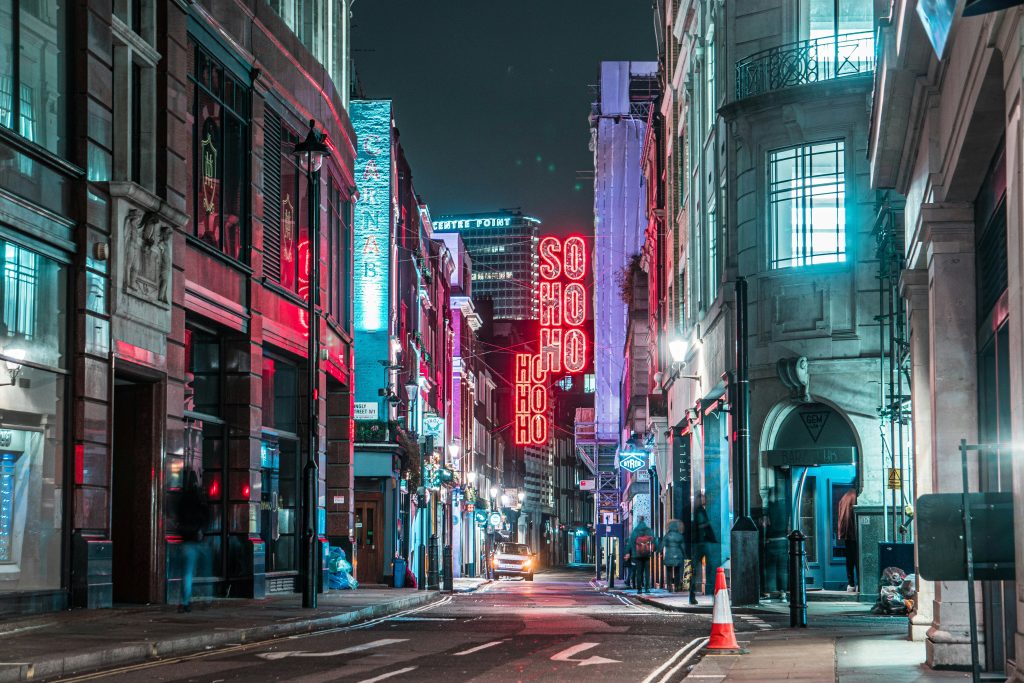
There is a precedent for the pedestrianisation since other parts of the UK capital have been closed to traffic too, or given pedestrians the priority in recent years, including around 50% of the shopping mecca that is Oxford Street, the north side of Trafalgar Square, fashionista heaven Carnaby Street, Covent Garden, the South Bank of the Thames, and Borough Market. Camden High Street is also set to go permanently traffic-free after a test period that started in 2025.
While some argue that pedestrianisation or limited traffic access puts shoppers off or affects accessibility for those with physical differences, there is mounting evidence to the contrary. Multiple studies from Germany, the UK, the US and Spain demonstrate that pedestrians spend more than drivers, and significant increases in footfall and business turnover have occurred after pedestrianisation has taken place. Times Square in New York saw a significant reduction in injuries to drivers and pedestrians, and retail sales were boosted by 71% after it went car-free in 2010, and initial figures from Oxford Street show shopping transactions up 19%. According to Brussels Mobility, 2019, and Urban Summit Brussels, the pedestrianisation of the Belgian capital’s Rue Neuve, one of Europe’s busiest shopping streets, led to a 25% increase in foot traffic within the first year. Local retailers reported that average sales went up 15–20%, with cafes and restaurants seeing even bigger growth.