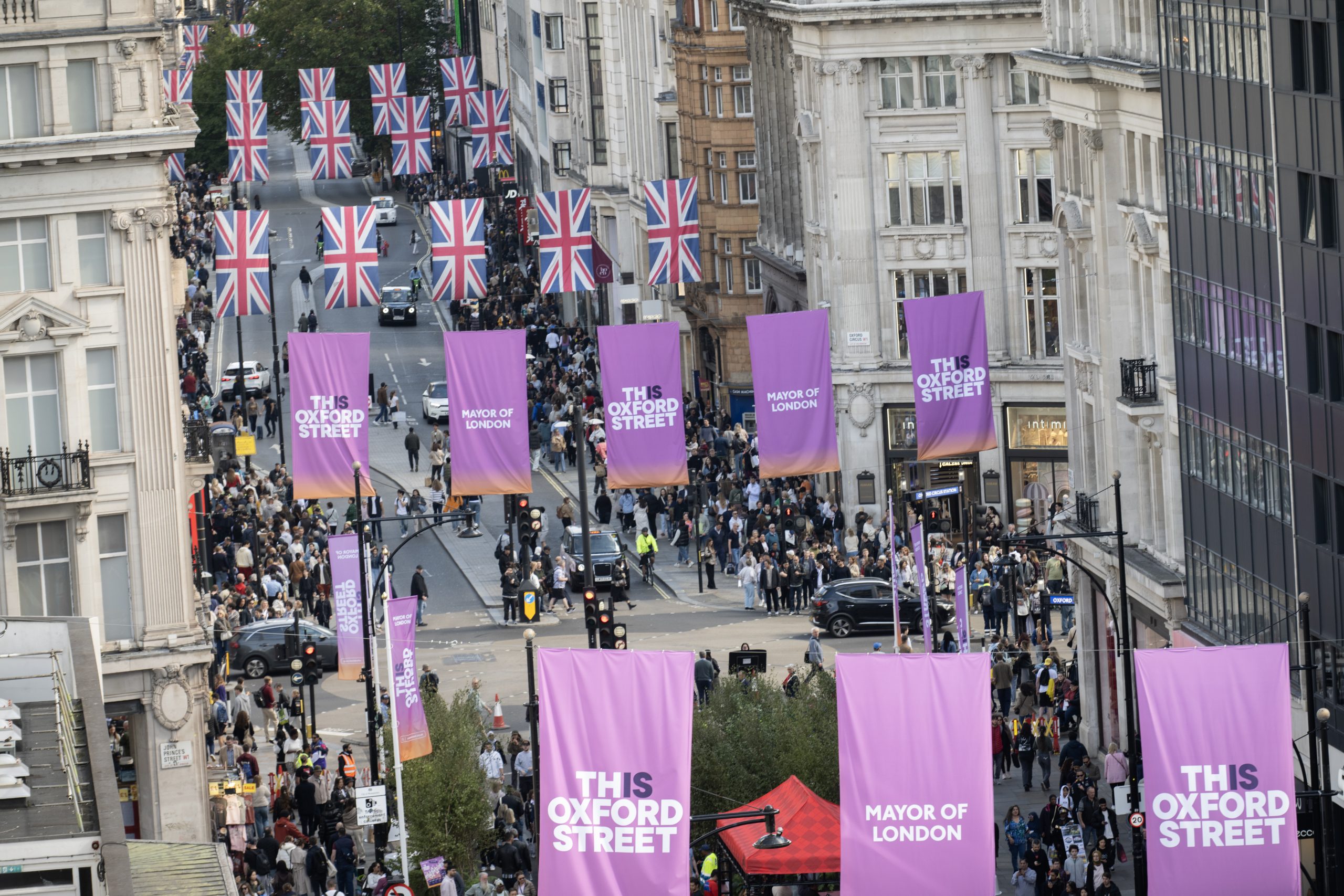



London’s famous Oxford Street has officially become partially pedestrianised, marking a major transformation of one of Europe’s busiest shopping destinations. From Monday, 26 October 2026, almost one kilometre of the street has been closed to traffic, allowing shoppers and visitors to explore the area without cars, buses or taxis.
The newly pedestrianised section stretches between Orchard Street, near Marble Arch, and Great Portland Street, beyond Oxford Circus. The restrictions apply to private vehicles, buses, taxis, bicycles, scooters and pedicabs, with traffic redirected onto surrounding roads.
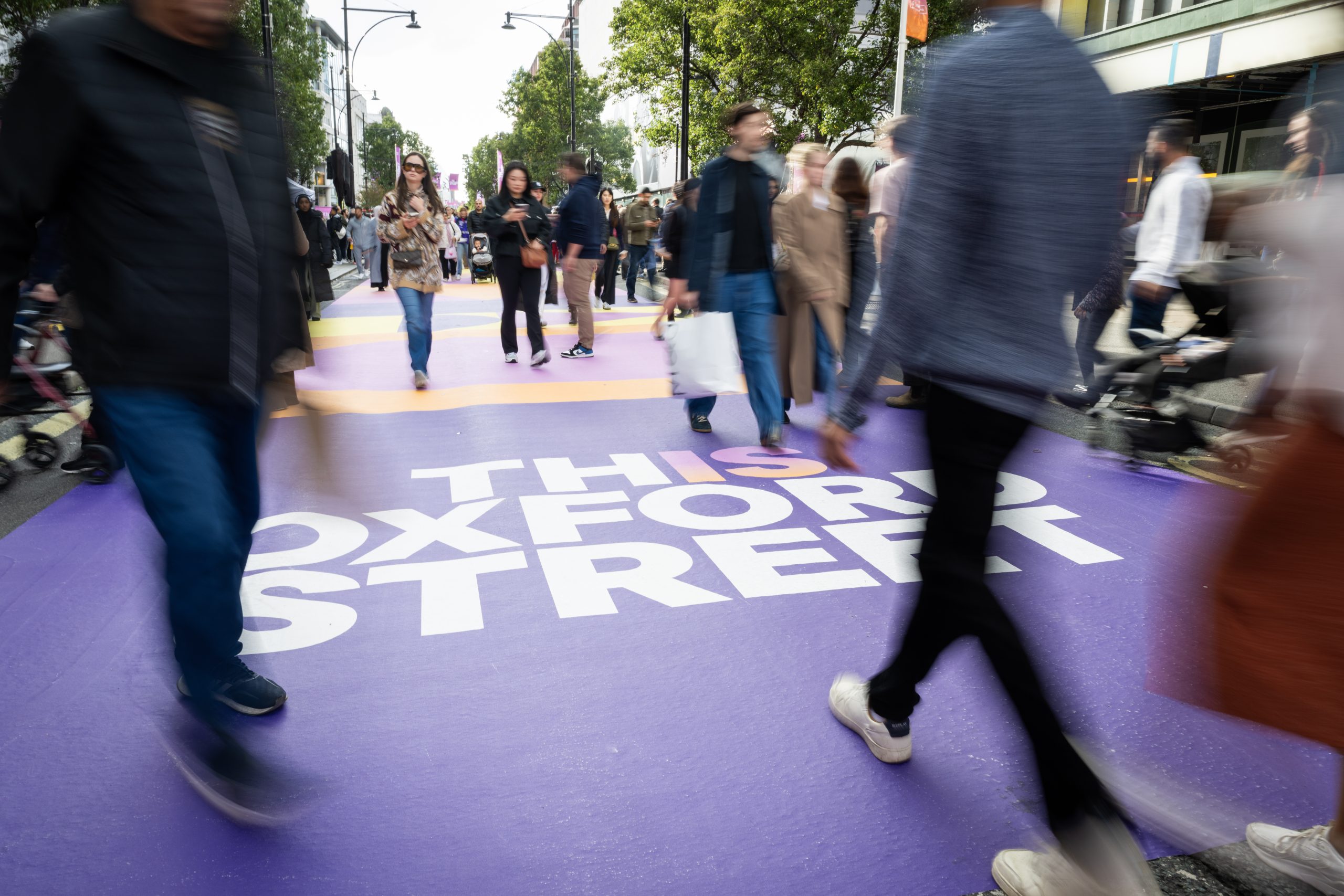
The move forms part of a wider regeneration project led by London Mayor Sadiq Khan, aimed at revitalising the capital’s iconic shopping district, improving public spaces and attracting more visitors ahead of the busy Christmas shopping season.
“I’m hugely excited to see my bold vision for Oxford Street coming to life from today. It is a truly momentous occasion for the capital,” Khan said, describing the transformation as the beginning of a new chapter for the street.
Oxford Street attracts around 500,000 visitors daily and generates more than £3 billion in annual spending. However, the shopping destination has faced increasing challenges in recent years, including the growth of online retail and changing consumer habits.
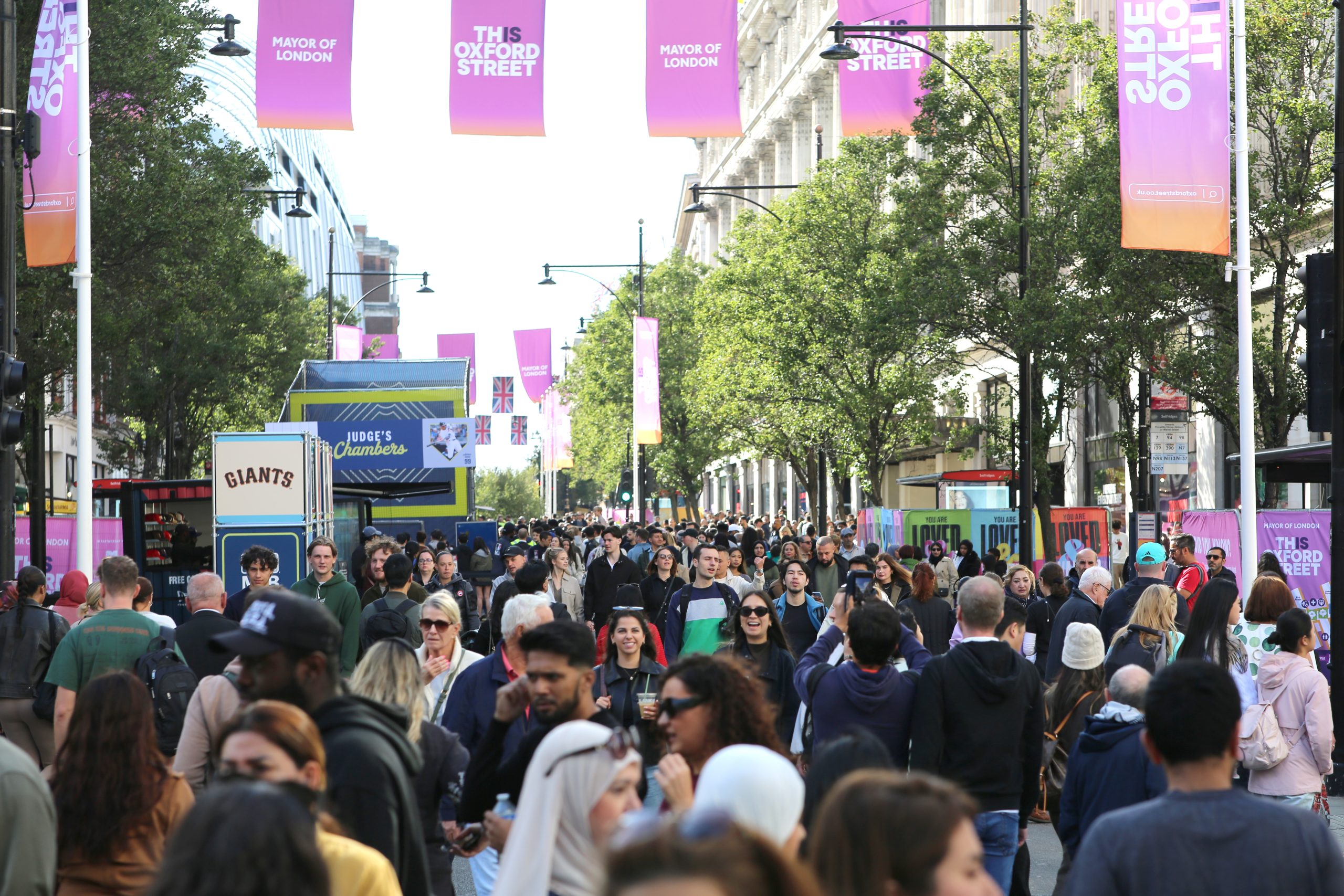
According to City Hall estimates, pedestrianisation could contribute an additional £82 million annually to the local economy and support more than 700 new jobs. Major retailers, including Selfridges, John Lewis and IKEA, have welcomed the initiative.
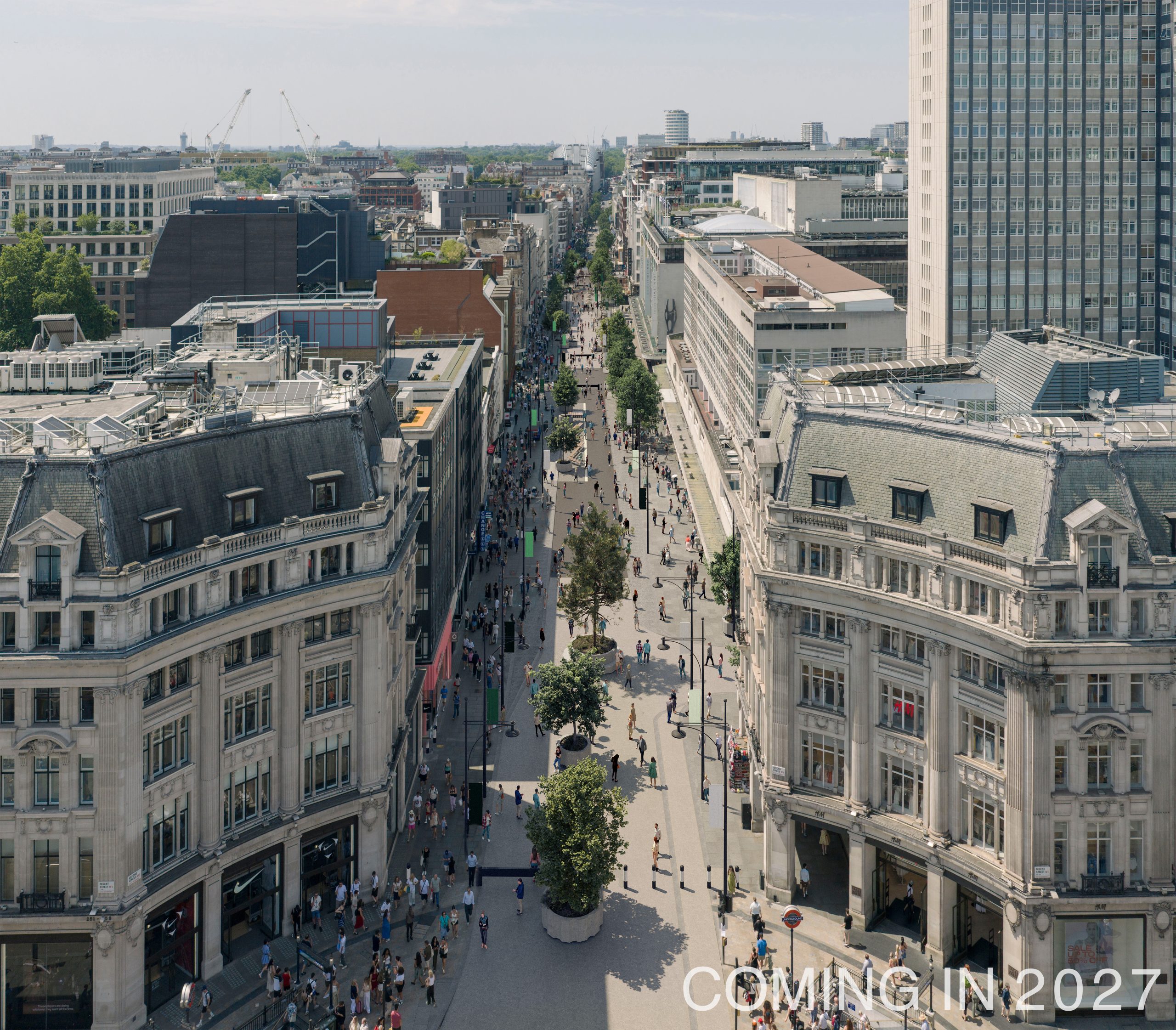
The first phase introduces temporary street improvements while authorities collect feedback from businesses, residents and visitors. By spring 2027, plans include planting more than 50 trees, installing over 100 seats, introducing new lighting and creating two public squares, transforming the street into a more attractive destination for shopping, dining and leisure.
Initial reactions from shoppers have been largely positive, visitors welcomed the additional walking space and quieter surroundings. Speaking to Al Jazeera, biology teacher Muneera Alfadhel described the experience as “magical”.
However, the project has also raised concerns among residents, taxi drivers and accessibility campaigners. Critics warn that diverting traffic onto neighbouring streets could increase congestion, while changes to bus routes may make the shopping district harder to reach for people with limited mobility.
Transport for London will monitor traffic conditions, with replacement bus stops located approximately 200 metres from the pedestrianised area. Emergency vehicles will retain access, while deliveries will be permitted between midnight and 7am.
The transformation comes after years of debate over the future of Oxford Street, with previous pedestrianisation proposals failing to materialise. Authorities will now assess the initial changes and gather public feedback before finalising the permanent design.