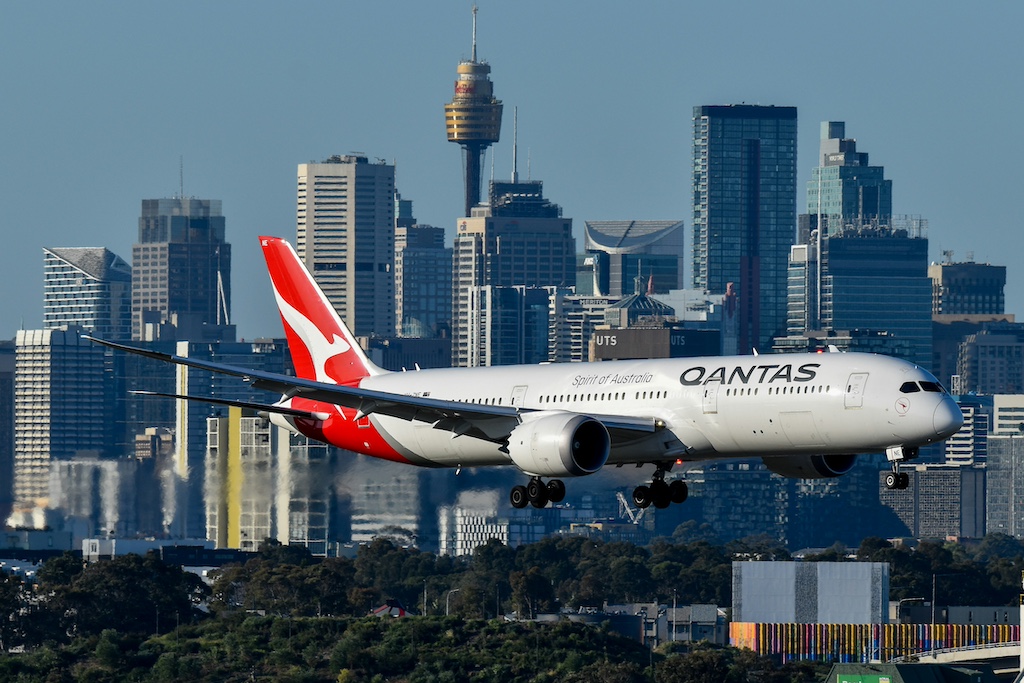


Qantas, Australia’s flag carrier, has just announced a significant staffing shuffle. On Tuesday, it confirmed that 850 corporate roles will be outsourced to consulting firm Accenture, with most of the work going to teams in India.
The multi-year agreement is billed as a way to modernise the airline’s “back-end systems, processes and data” while stepping up investment in technology and AI, according to the Guardian. The first changes are expected by mid-2027 and will cover finance, procurement, people, and marketing staff.
Chief executive Vanessa Hudson struck a candid note in an internal email, reported by the BBC. “This is hard news for some and I’m sorry for the uncertainty it brings,” she told employees. She also explained the thinking behind the tech push: Qantas spends more than AU$1 billion (approximately €613 million) a year on technology and runs over a thousand legacy applications “that were never designed to work together”. Affected staff will be redeployed “where possible,” including into new Australian roles, the company said.
Unions are not impressed. The Australian Services Union says Qantas must explain itself, having previously promised it had no plans to send jobs overseas. Assistant national secretary Scott Cowen told the Guardian: “Sending more jobs overseas is not in the spirit of Australia.”
For context, Qantas employs about 32,000 people, roughly 28,000 of them in Australia, according to the BBC. The Guardian notes this is the third major corporate restructuring announced in Australia in three weeks, following NAB (2,500 roles) and Canva (1,200). Add Qantas and that makes around 4,550 corporate jobs affected in the space of a month. The airline is also dealing with higher jet fuel costs and said it would keep adjusting fares and capacity, although it described customer demand as resilient.
Why India? ABC reports that many large Australian companies, including Qantas, NAB, Westpac, Telstra and Coles, have been moving roles to Asia, often through so-called global capacity centres (GCCs). These are overseas offices a company owns outright, instead of contracting a third party. “In very simple terms, a GCC is setting up another office for a company,” said Lalit Ahuja, chief executive of ANSR, a firm that helps businesses establish them. India is home to about half of the world’s GCCs, and economist Arya Roy Bardhan told the ABC that wages there average about a third of Australian levels. In this case it is thought Accenture’s India-based teams that will take much of the work.
So, what does it mean for travellers? Nothing in the announcements suggests changes to cabin service, as the roles in question sit in corporate functions. But the airline’s ambitions for automation and AI are clear, and the Finance Sector Union has already described similar moves across the sector as “callous.” With consultations between unions and staff still to come, expect this story to run for some time, and keep an eye on how Qantas handles it.