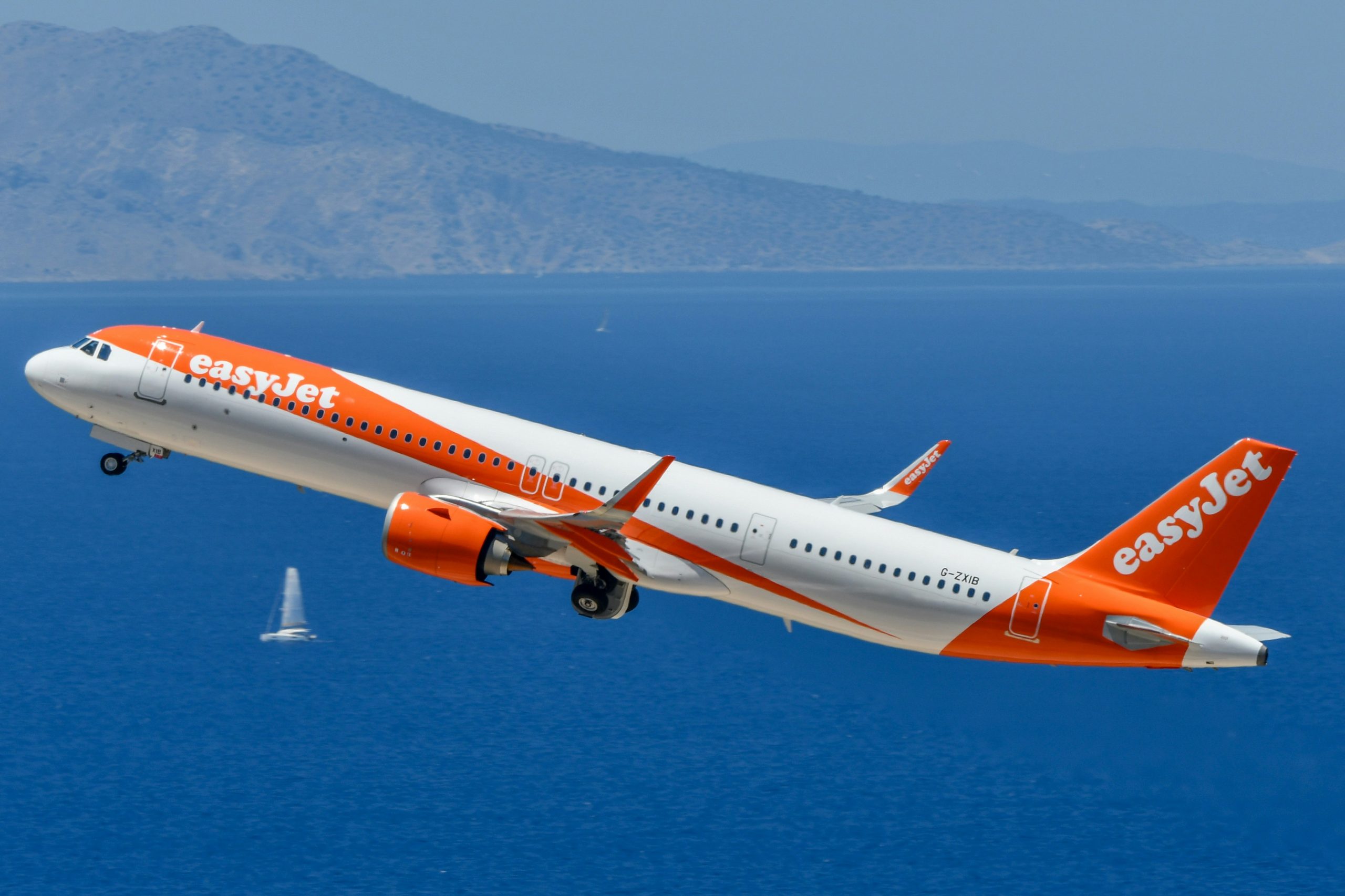


Private equity firm Apollo is set to take over easyJet, putting the budget airline into American hands for the first time since its launch in the UK in 1995 by British Cypriot founder Sir Stelios Haji-Ioannou.
Haji-Ioannou owns 15% of the carrier and supported Apollo’s bid, which came after a controversial offer from another US investment firm, Castlelake. As Travel Tomorrow reported at the time, easyJet turned Castlelake down, describing the attempt as “highly opportunistic” and accusing the US investment company of attempting to acquire the airline “on the cheap.” The carrier had blamed geopolitical headwinds for what it said was a temporary dip in its value.
This time, shareholders approved the £5.7-billion deal (around €6.83 billion) with over 97% voting in favour. The airline has said the transaction should be completed by the end of 2027’s first quarter.
Yet there could be turbulence ahead, because, under European Union regulations, any airline holding a license to operate routes from EU bases must be more than half owned by EU member states or EU nationals. At the voting meeting, the airline said the proportion of shares held by EU citizens was 35.07%.
In addition, workers’ unions are unhappy about the prospect of US ownership, which they have claimed could undermine both the business’s long-term resilience and employee rights.
The buyout essentially takes the airline into private ownership, and means it will be delisted from the London Stock Exchange, following in the post-Brexit footsteps of a number of firms in recent years, including a suite of travel and leisure brands such as Europe’s largest tourism operator TUI, Just Eat Takeaway, Flutter Entertainment, and travel-friendly fintech firm, Wise.
Apollo, then, will own easyJet through its Eagle Bidco arm. It has previously said it will not change easyJet’s branding or the location of its headquarters, and will continue to pursue the company’s current strategic direction, which entails boosting easyJet holidays, overhauling the airline’s fleet, and reviewing the carrier’s ancillary and loyalty products.
As previously reported by Travel Tomorrow, Apollo has also said it does not intend to cut jobs during the first year following completion of the takeover. But, in a reportedly separate move, up to 50 jobs are due to be cut at the carrier’s head office, an EasyJet spokesperson confirmed last week. “Our people are integral to EasyJet’s success, and as a low-cost airline, we always operate efficiently so we can keep fares low for our customers and invest in future growth opportunities. These proposals affect a very small proportion of head office roles to ensure we are best set up to support the business’ ambitious plans,” the statement said.
It remains to be seen whether there will be any impact on travellers. Michael O’Leary, CEO of low-cost rival Ryanair, warned last month that 2027 could bring some of the biggest air ticket price increases in history due to the Middle East oil crisis and the range of current mergers and takeovers taking place in the aviation sector.