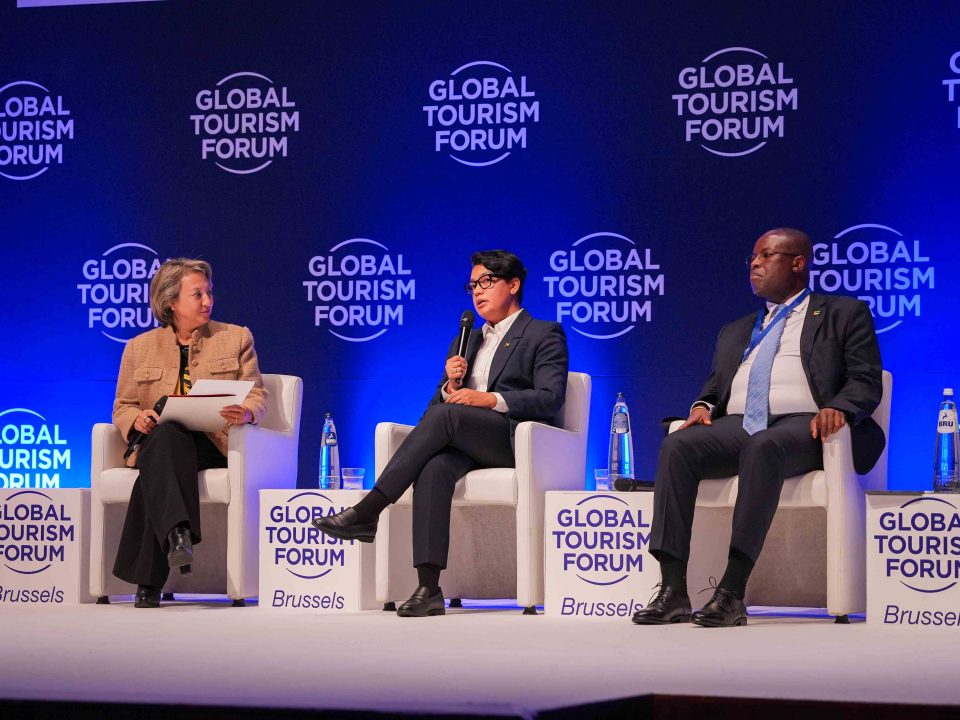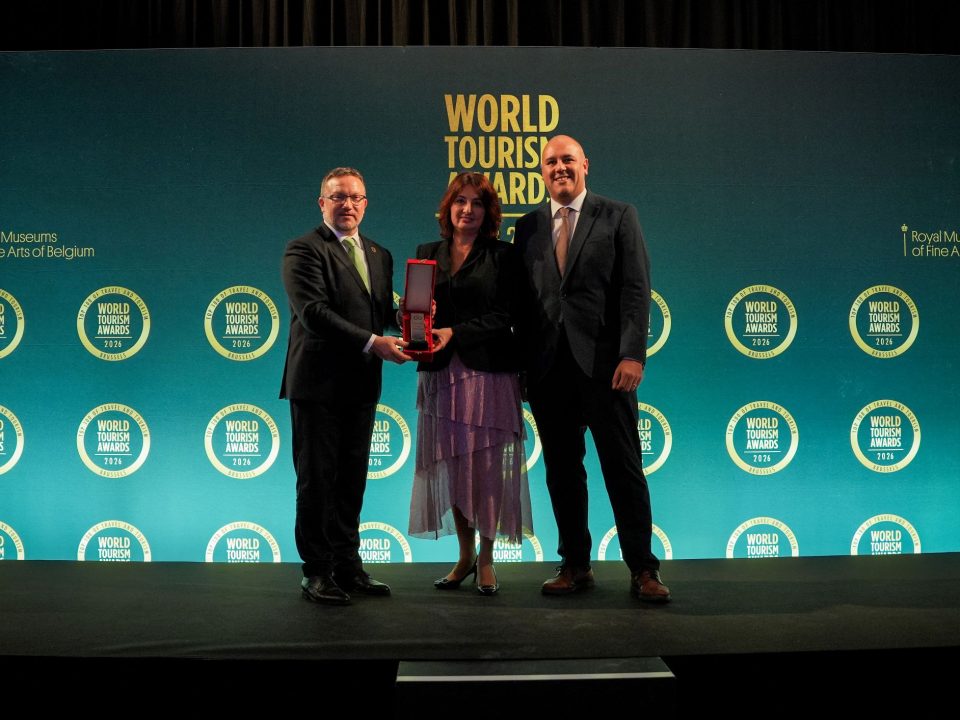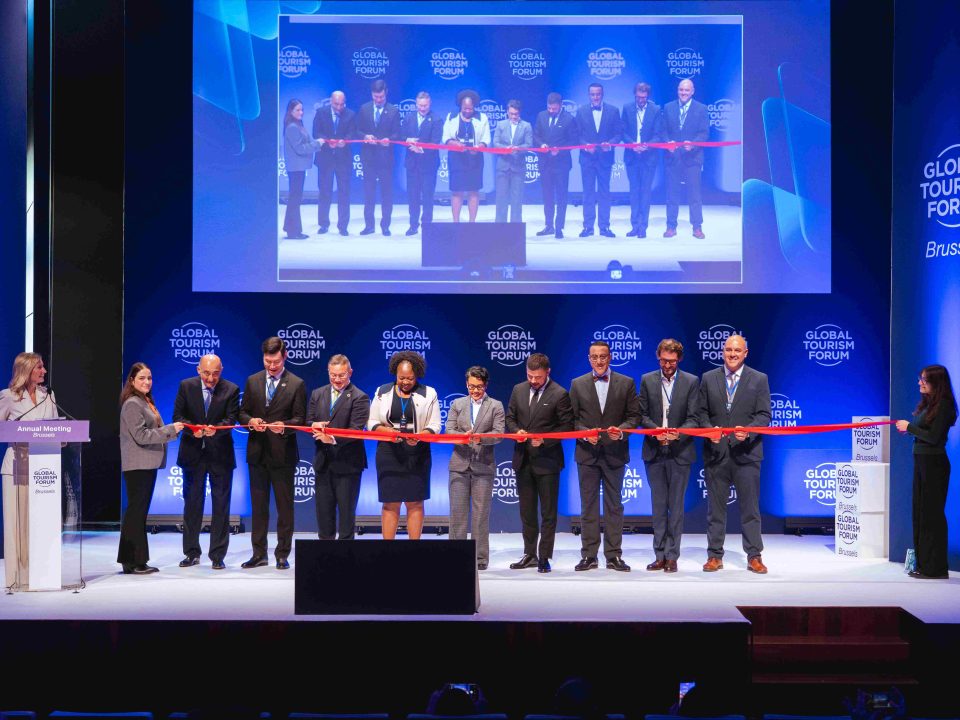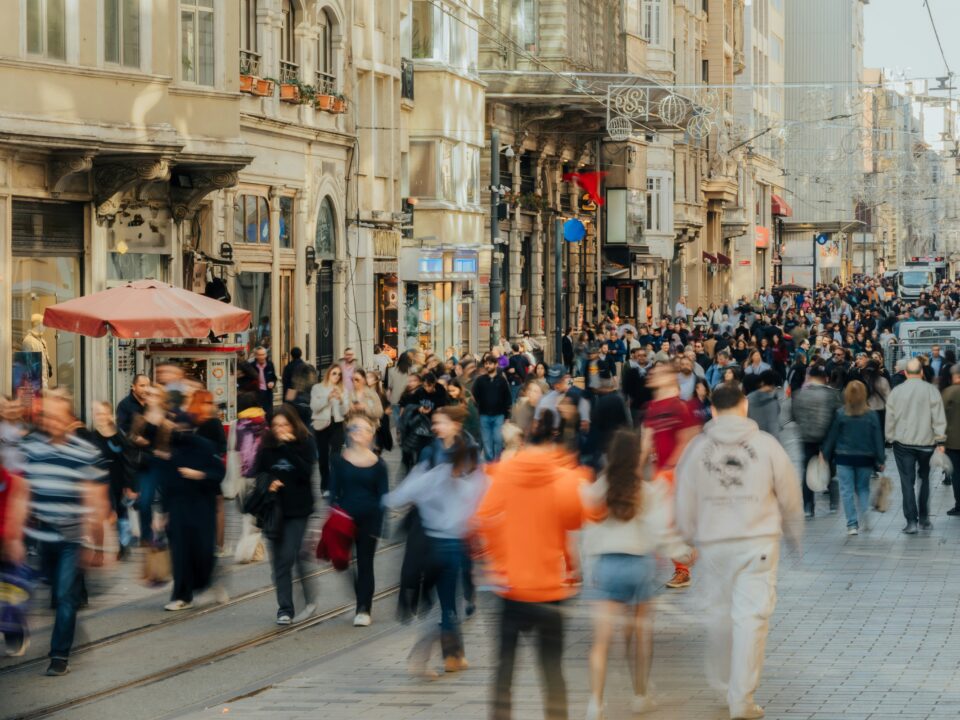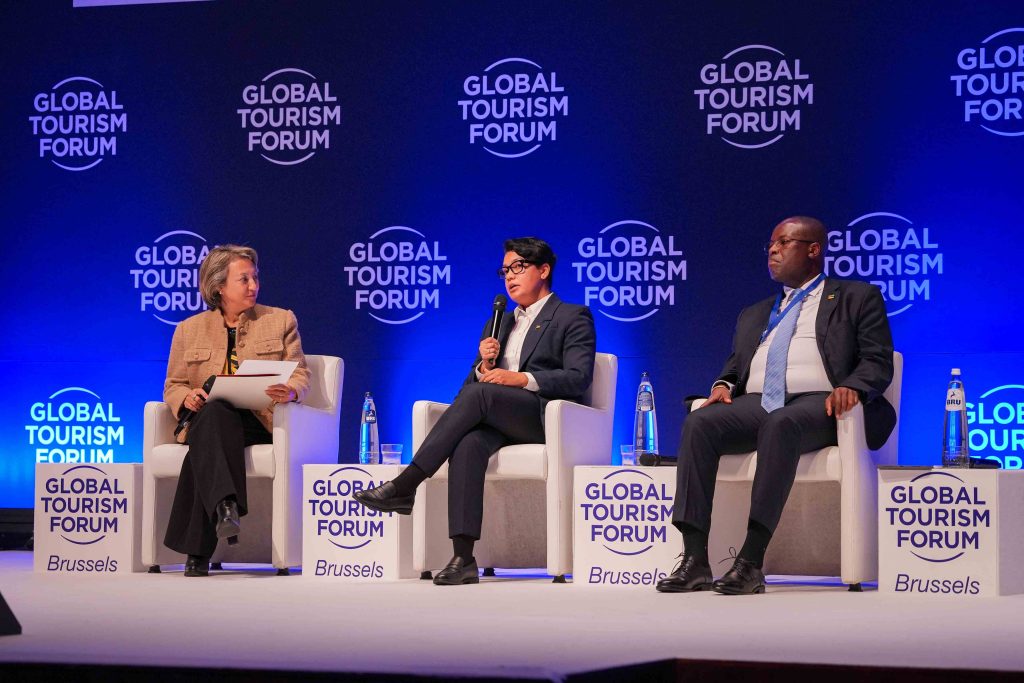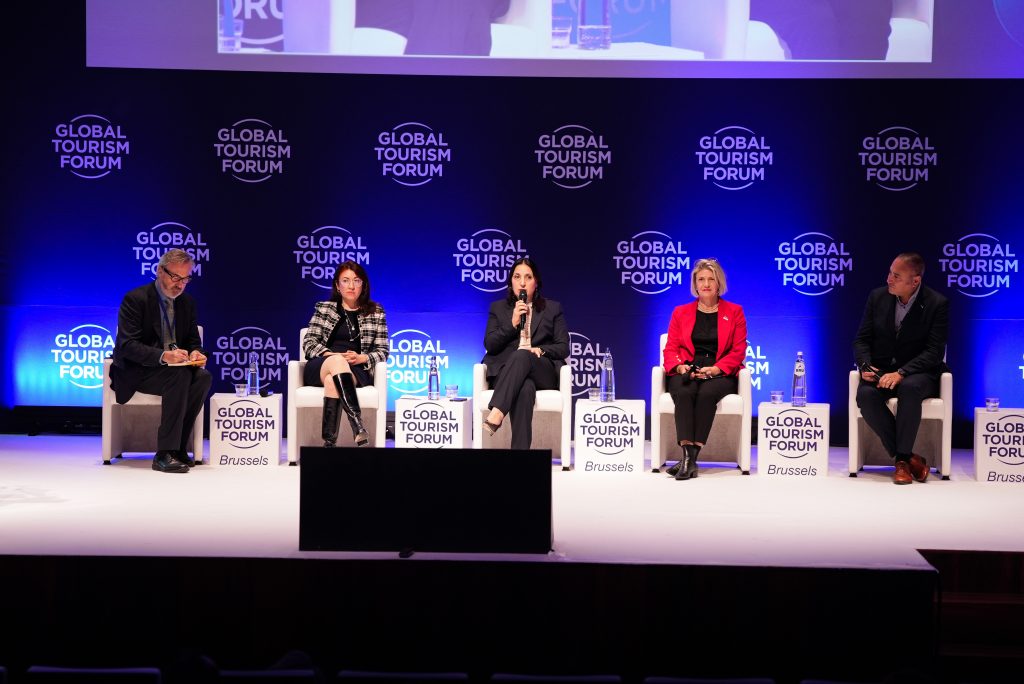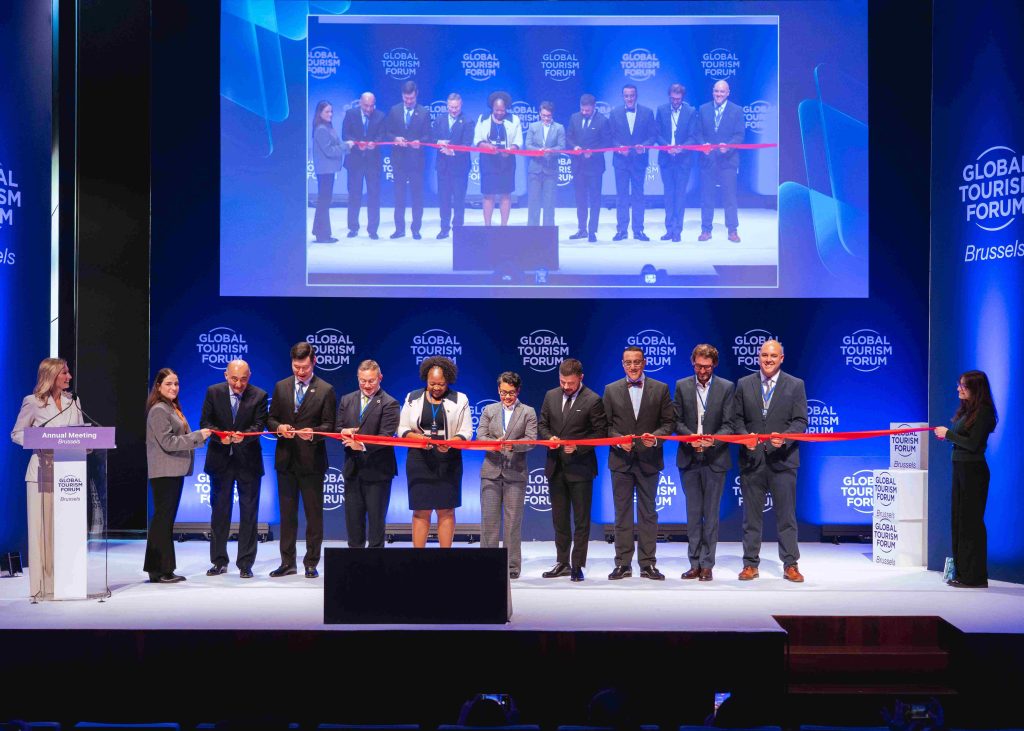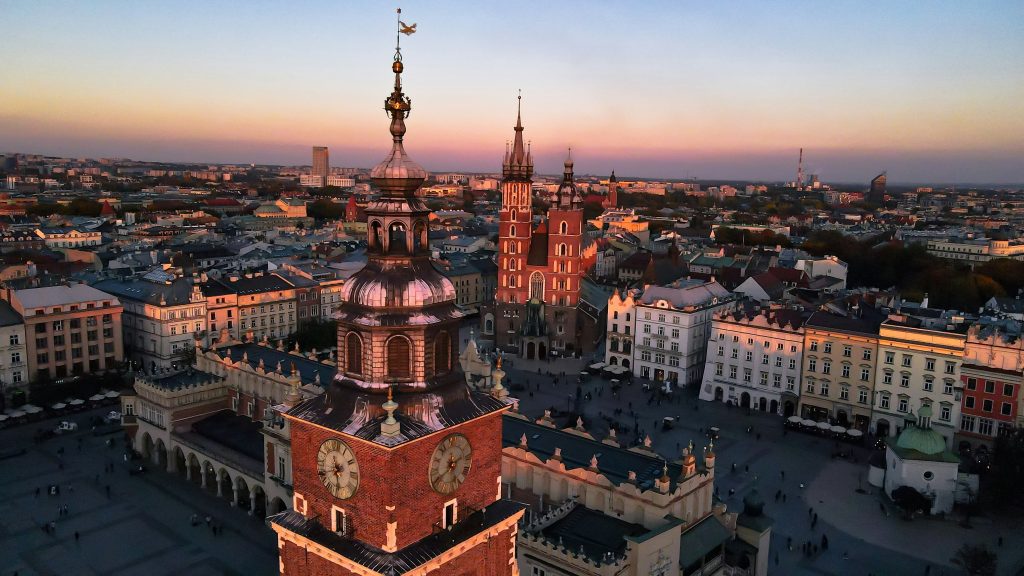



A spectacular landscape alone does not a tourism strategy make. Across connectivity and ministerial discussions at the Global Tourism Forum (GTF) 2026 in Brussels, speakers returned time and again to tough practicalities. Destinations must be reachable, bookable, and worth visiting beyond their busiest months. For policymakers in Brussels and beyond, as well as international operators and lesser-known destinations, the challenge is to connect transport, investment, and local experience, without diminishing what makes a place distinctive.
Oana Gherghinescu, executive director of the European Union Agency for Railways, framed “access” as something that for the traveller should “feel easy.” Speed alone is insufficient: safety, reliability, and straightforward booking matter too. Her call for removing national “fragmentation” exposes the less glamorous underside of a European holiday: the people who work tirelessly behind the scenes to ensure compatible signalling, coordinated operators, and borders that passengers barely notice.
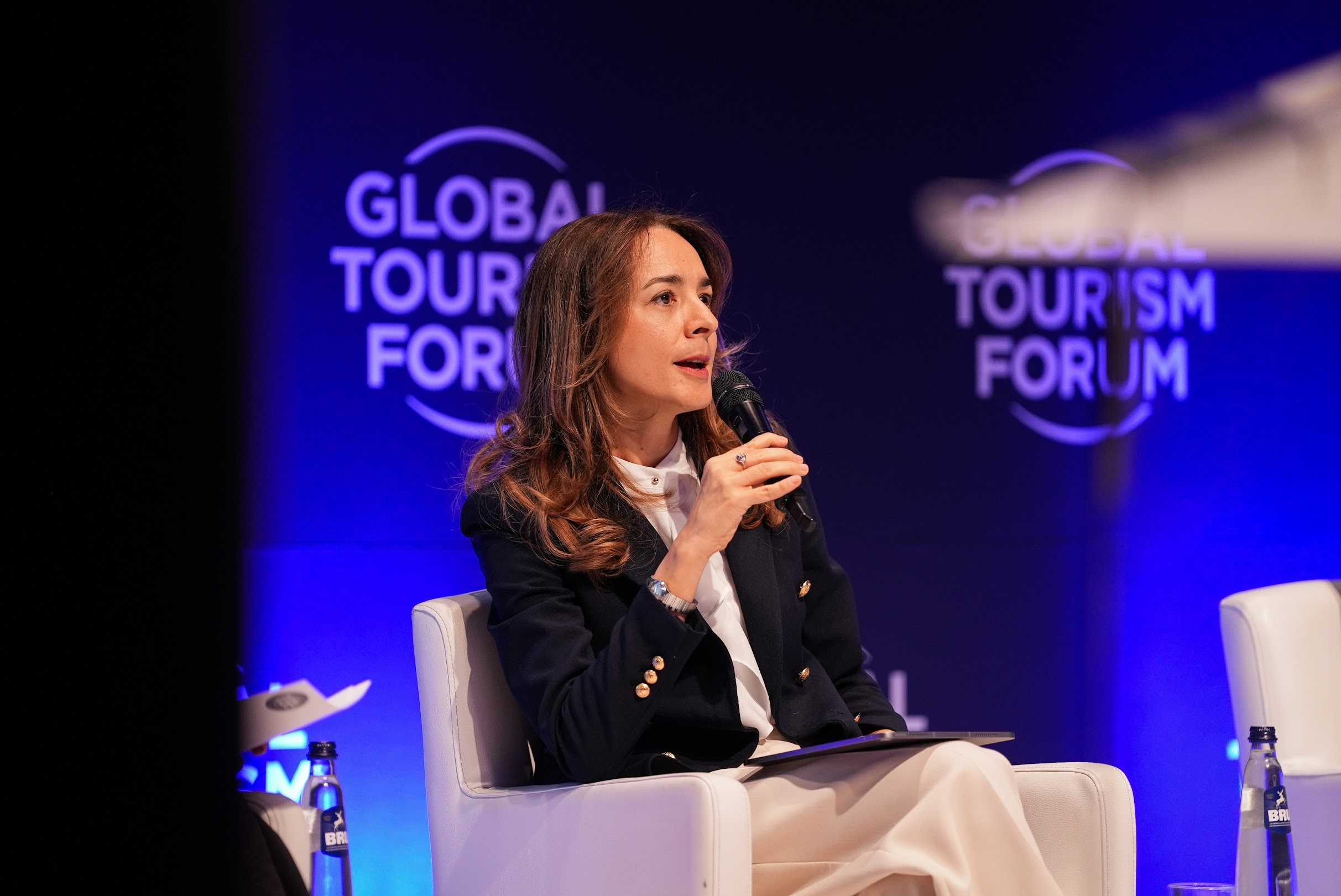
Gherghinescu says she always tries to urge rail authorities, operators, tour operators, and digital platforms to come together and identify barriers they can remove, not within the next decade, but for the next season. What’s more, better connections and high-speed trains should benefit the wider network, rather than leave smaller destinations outside the high-speed spotlight, she said.
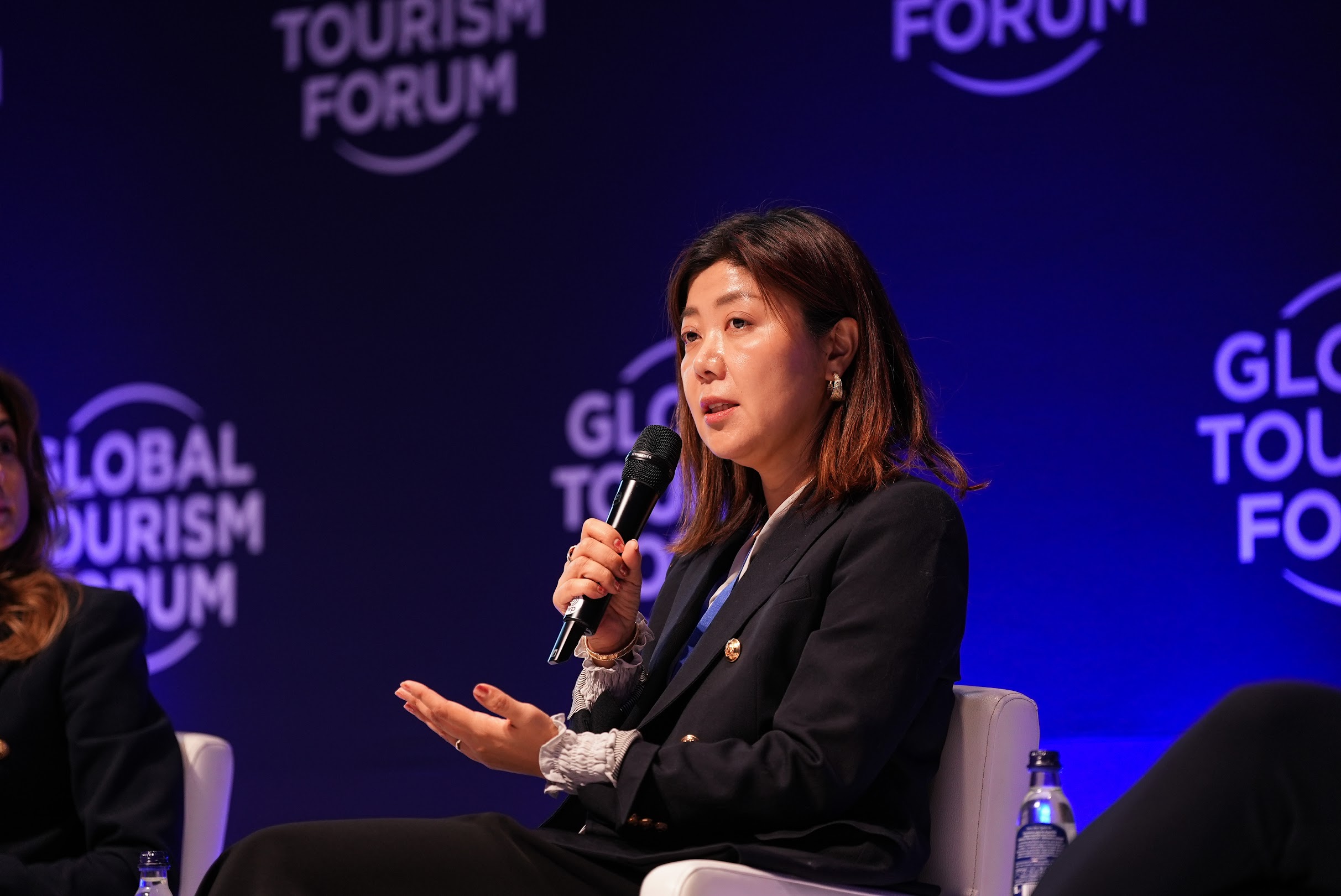
For remote destinations, waiting for infrastructure is not always an option. Weibin Wang of Hiseas International and Nordis described using coaches and seasonal programmes to build access to Kirkenes, northern Norway, a destination with a research centre, the Lights, and rare King Crab, yet little connectivity. She reported success in extending the tourism season from May–August to April through October. Visibility and bookability, she argued, help create predictable demand that, in turn, drives better connectivity and investment. But she also noted that, ultimately, it will be experiences that encourage longer stays and return visits; experiences matter then, just as much as getting visitors there.
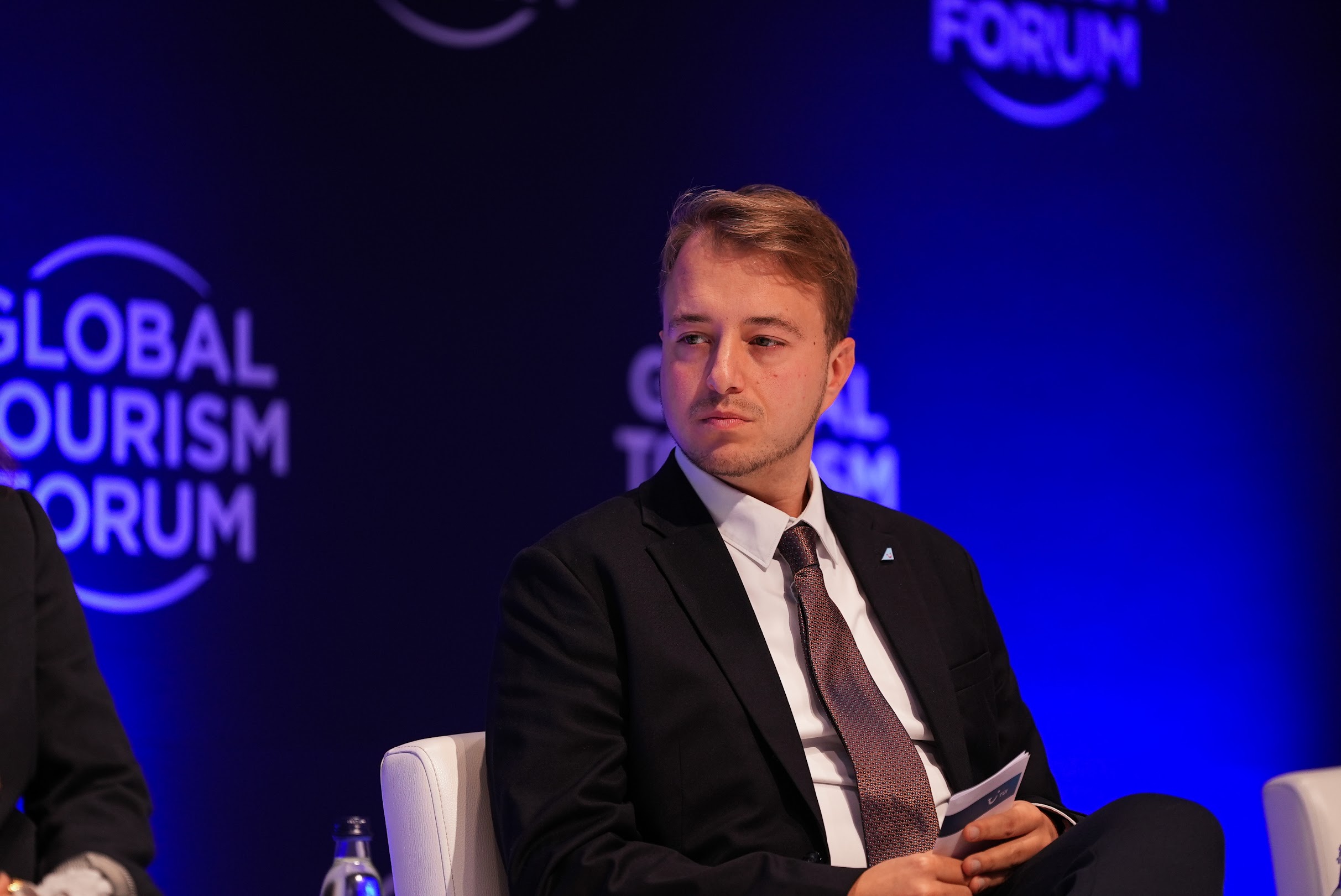
Air access raised a different policy tension. Asked what makes or breaks destinations that are seeking investment, TUI’s Vincent Snauwaert boiled investors’ and tour operators’ core concern down to: “can we get our guests to you?” He also identified traffic rights and protectionism as bottlenecks for connectivity, and called for destinations to approach airlines (and other operators) with properly financed destination plans already backed by tourism ministries and treasuries. His intervention also underlined how hard-nosed the commercial aviation sector is. For some destinations that have already established and enjoyed connectivity, he said, it is easy to forget that routes are not guaranteed. Policymakers must weigh operators’ demands alongside public objectives that are too often, in his view, dealt with via punitive taxation.
The ministerial dialogues highlighted that, above all, consumers must be given both ways and reasons to travel, especially in shoulder or off seasons, if tourism’s economic contribution is to grow. Montenegro’s tourism minister and Chair of the UN Tourism Commission for Europe, Simonida Korditz, described diversifying beyond her country’s better-known southern region through rural hospitality, digital discovery tools, and support for sustainable energy in the north too. She reported that, thanks to these approaches, registered rural hospitality businesses in Montenegro had mushroomed from a few dozen to more than 400 over five years. The lesson for emerging destinations is not simply to advertise harder to make distinctive products easier to find, but to make them easier to operate too.
Similarly, in a further discussion, Guyana’s tourism and commerce minister, Susan Rodrigues, linked the only English-speaking South American destination’s recent success in part to recent oil exploitation—whose profits had been reinvested in infrastructure expansion as well as local livelihoods. Her striking words highlighted how the right financing priorities can boost community-owned experiences and local prosperity.
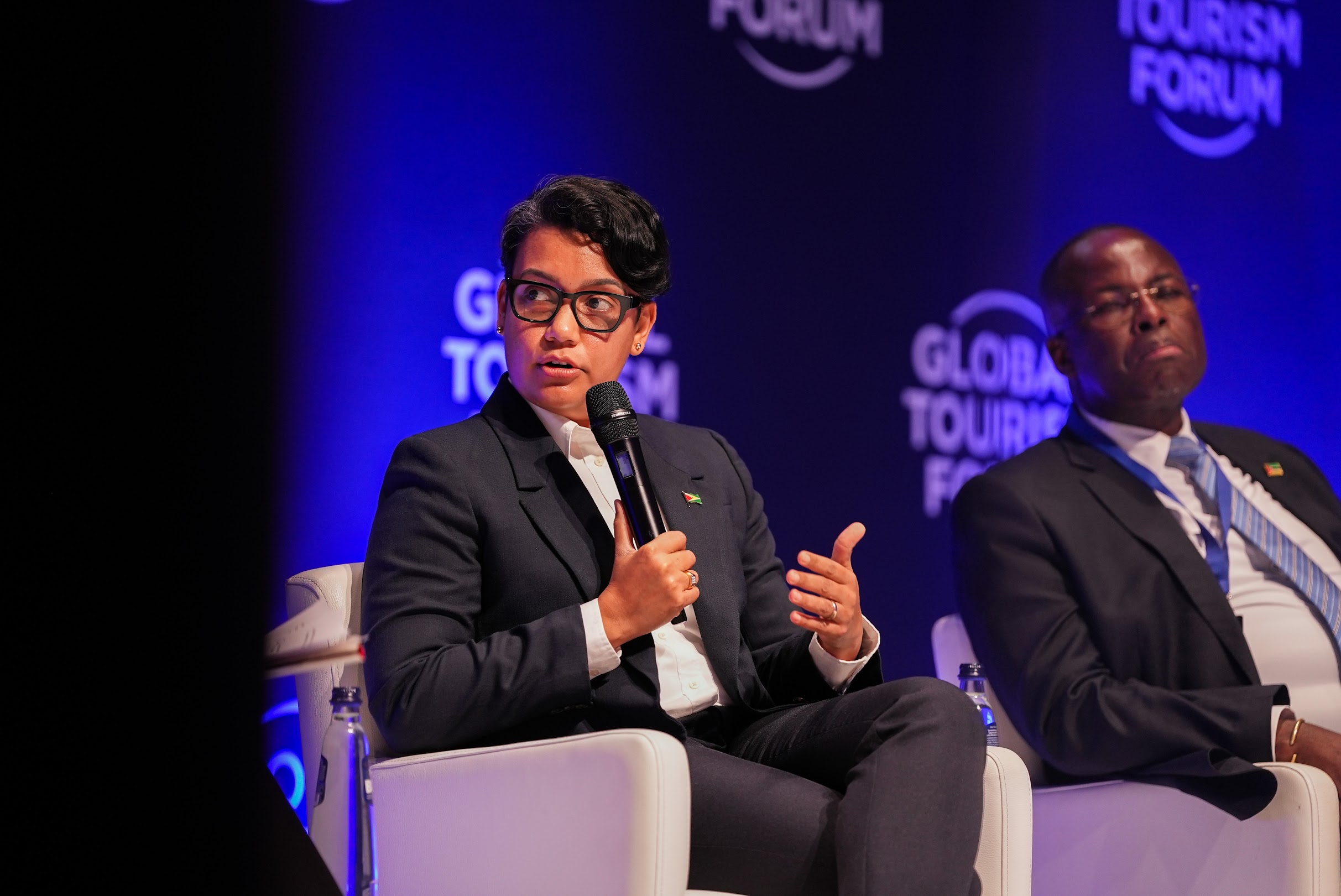
Mozambique’s contribution likewise emphasised moving beyond “sun-and-beach” tourism towards conservation, gastronomy, and cultural exchange. Together, these interventions challenged the idea that international hotels alone constitute destination development: local enterprises must have a place in the visitor economy.
Those arguments connected directly with the climate-resilient investment session also on the GTF’s first day schedule. Radisson’s Inge Huijbrechts described the need for alignment between buildings, asset owners, and destinations. Georgian Tourism’s Nathalie Kvachantiradze paired year-round mountain tourism with infrastructure resilience and risk assessment. Extending a season cannot be separated from exposure to flooding or unreliable snowfall; a resilient hotel needs a resilient setting.
For industry stakeholders, the conclusion is to invest in the whole traveller journey: transport, distribution, experiences, and destination services. For EU policymakers, greater coordination should make trips simpler while supporting smaller businesses and managing visitor flows. Lesser-known destinations need credible, cross-ministry plans linking access to local value and environmental protection.
Consumers can influence these calculations too, by looking beyond headline attractions, assessing their complete experience, what is available outside peak season, and whether their spending power supports local providers. The forum’s strongest message was that successful tourism is not measured only by arrivals. It is also about how visitors reach a place, why they stay, and what remains valuable for the people who live there.