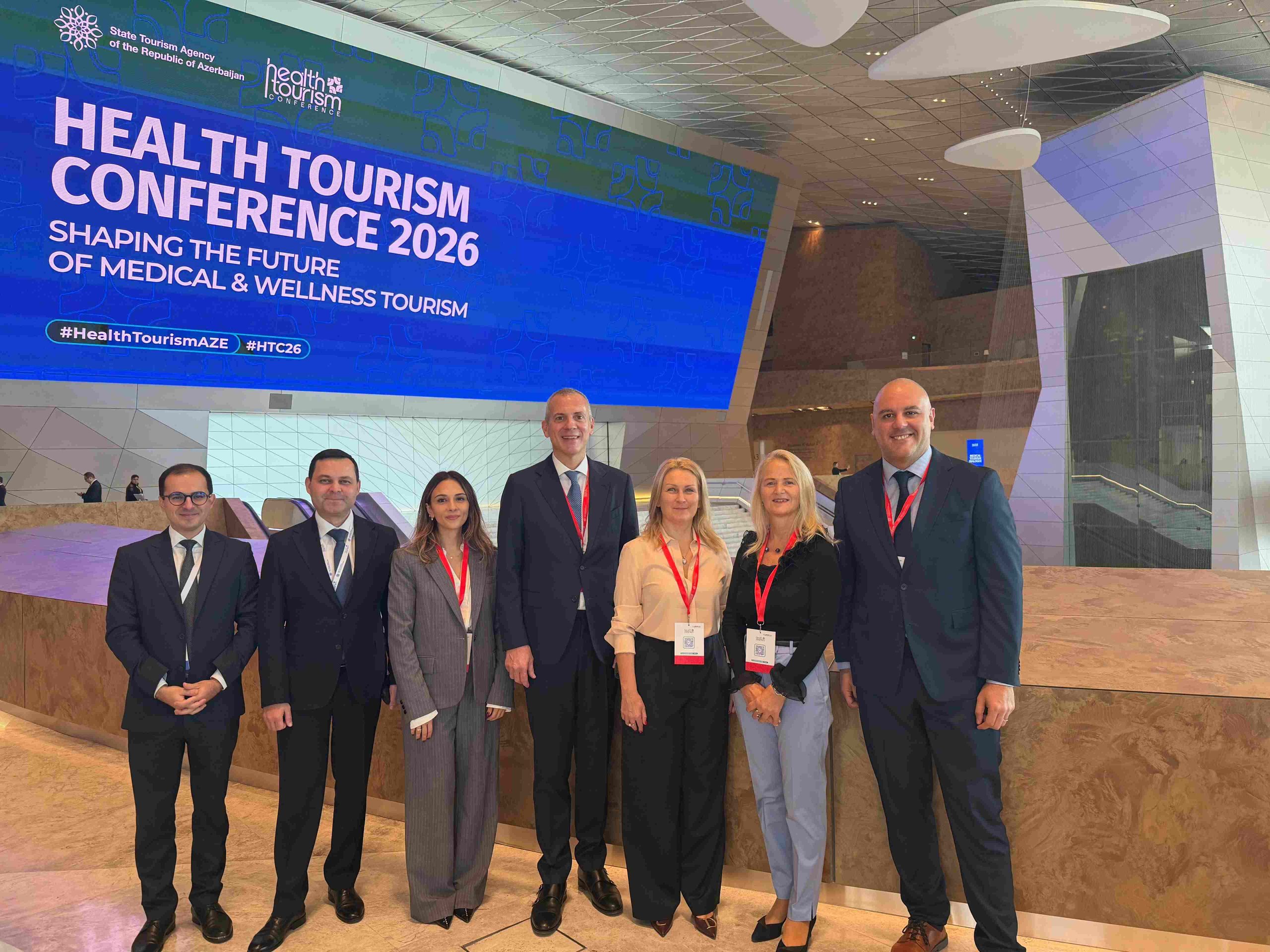



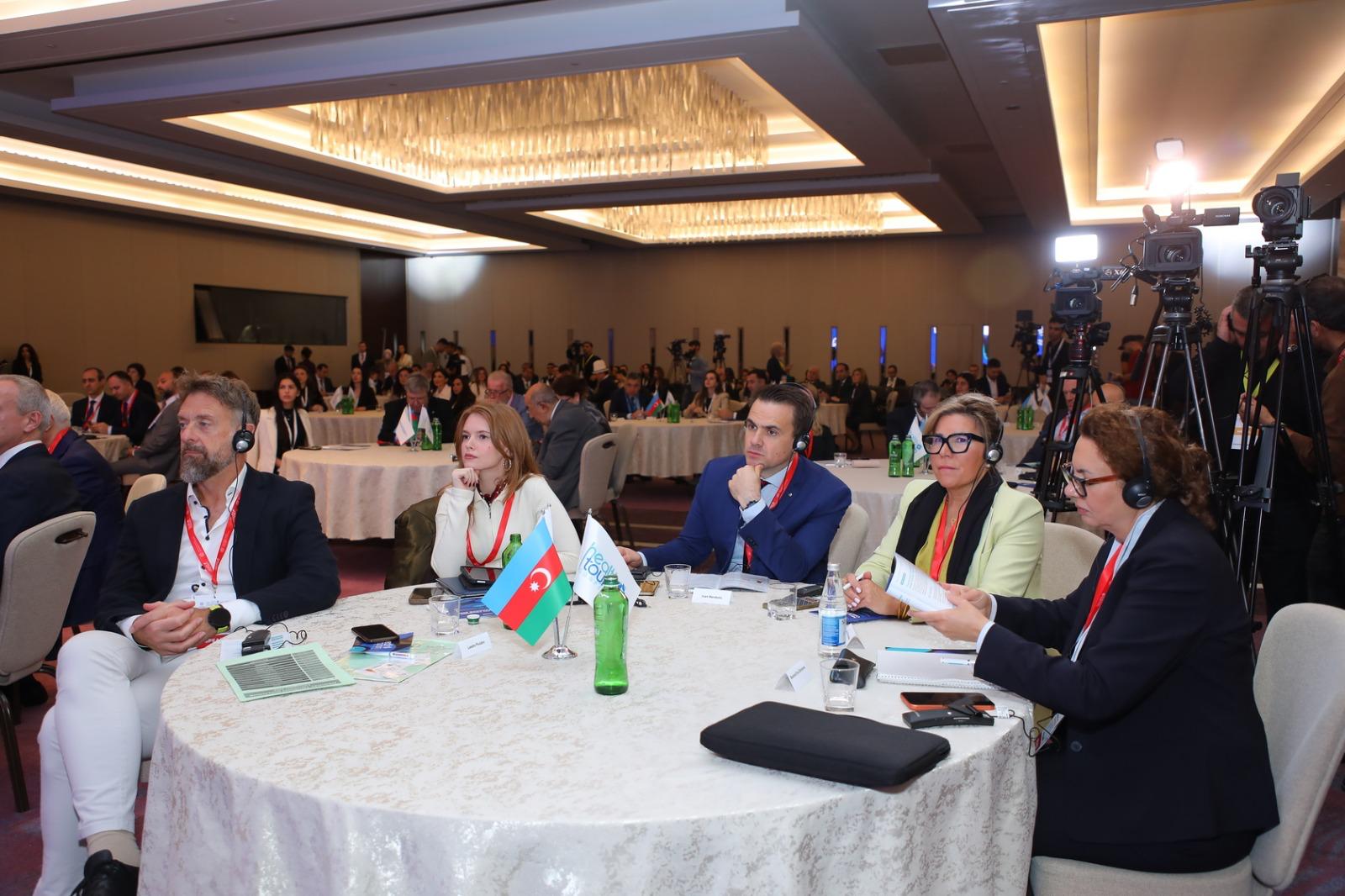
Azerbaijan’s third International Health Tourism Conference opened at the Baku Convention Center on 4 November, bringing together government officials, healthcare providers and tourism businesses to discuss the country’s plans to attract international patients. Discussions focused on accreditation, standards of care and the preparation of a national health tourism strategy.
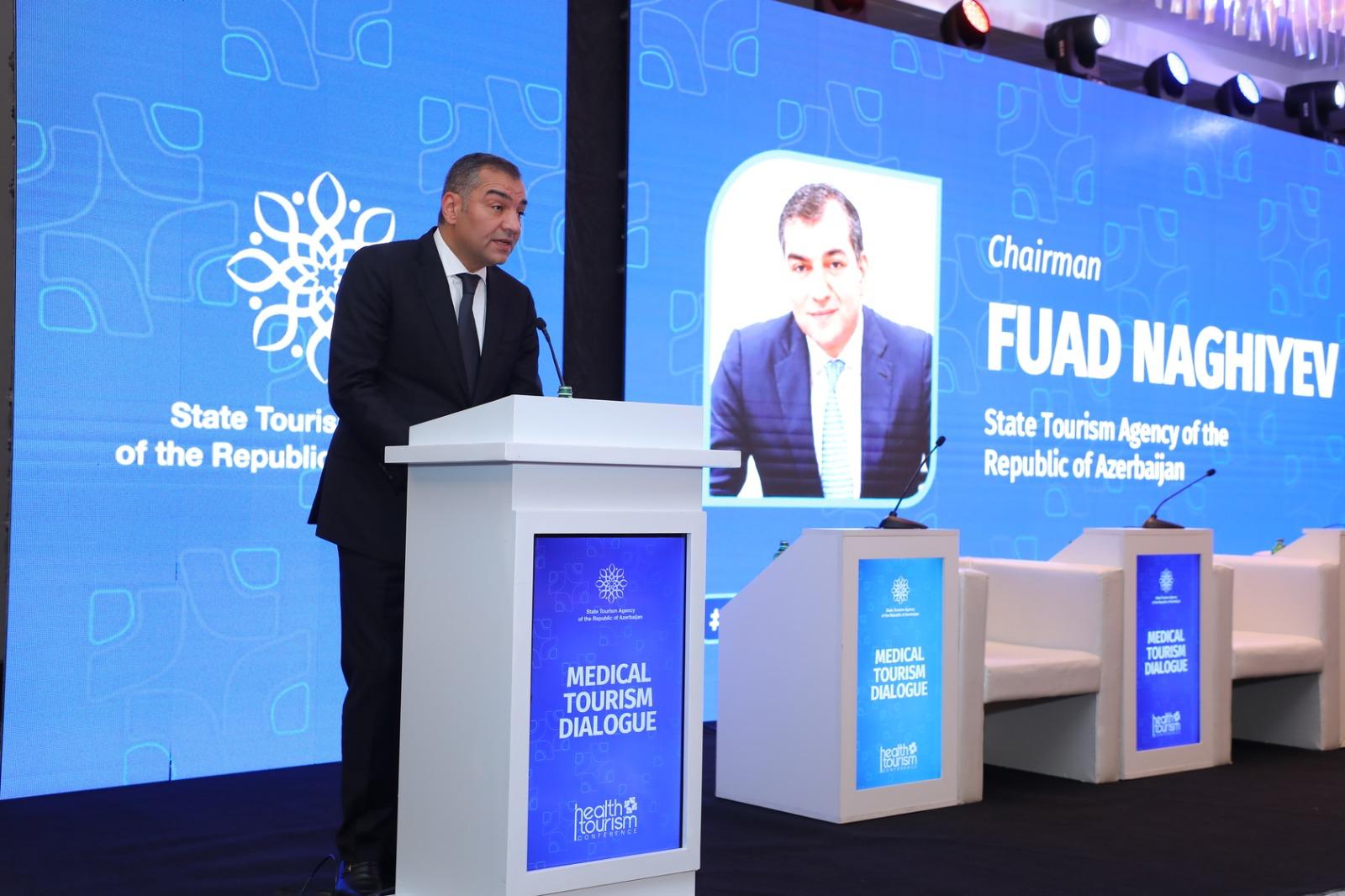
“Azerbaijan’s health tourism potential can only be realised through close cooperation between the tourism and healthcare sectors,” said Fuad Naghiyev, Chairman of the State Tourism Agency of the Republic of Azerbaijan, at the opening. “Our priority is to translate that potential into high-quality services, trusted international partnerships and a coordinated strategy that delivers lasting benefits for visitors and local communities.”
Organised by the State Tourism Agency, the two-day conference runs until 5 November. The programme includes medical and wellness tourism discussions, an exhibition, business meetings and a Global Healthcare Accreditation seminar.
Azerbaijan prepares a health tourism strategy
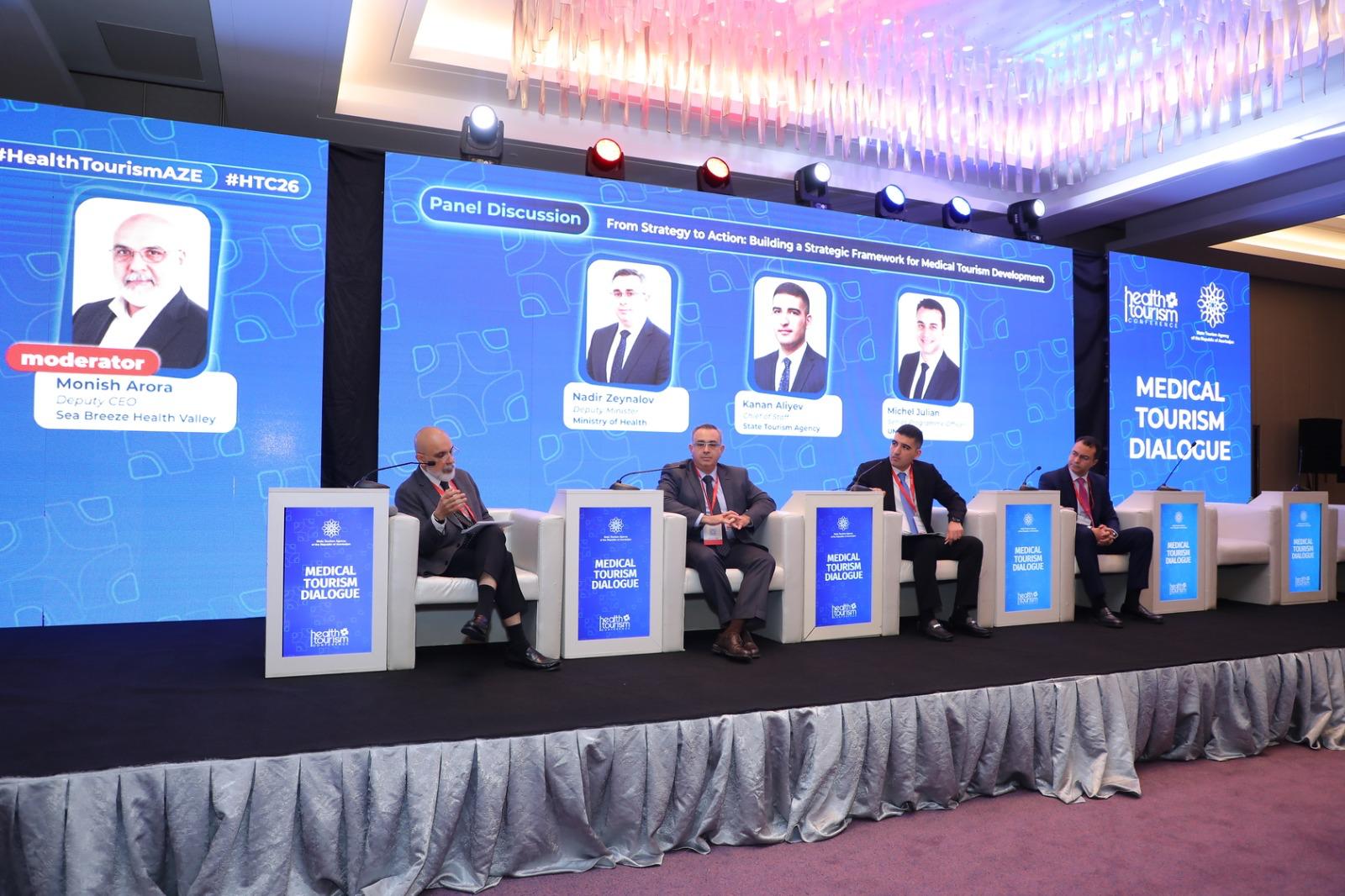
Addressing the conference, Azerbaijan’s Deputy Minister of Health, Nadir Zeynalov, said developing health tourism could support improvements in healthcare services and strengthen the country’s international competitiveness. He identified service quality, patient safety and cooperation between public institutions and private providers as priorities.
Zeynalov said Azerbaijan’s geographical position, medical infrastructure, specialists and tourism offer provide a foundation for becoming a regional medical tourism centre. Achieving that objective would require closer collaboration between healthcare institutions, tourism businesses, investors and international partners.
The conference comes as the country prepares a dedicated framework for the sector under its State Programme on the Development of Tourism for 2026–2030. As Travel Tomorrow previously reported, the programme includes plans for a health tourism strategy and action plan, alongside measures to support international accreditation.
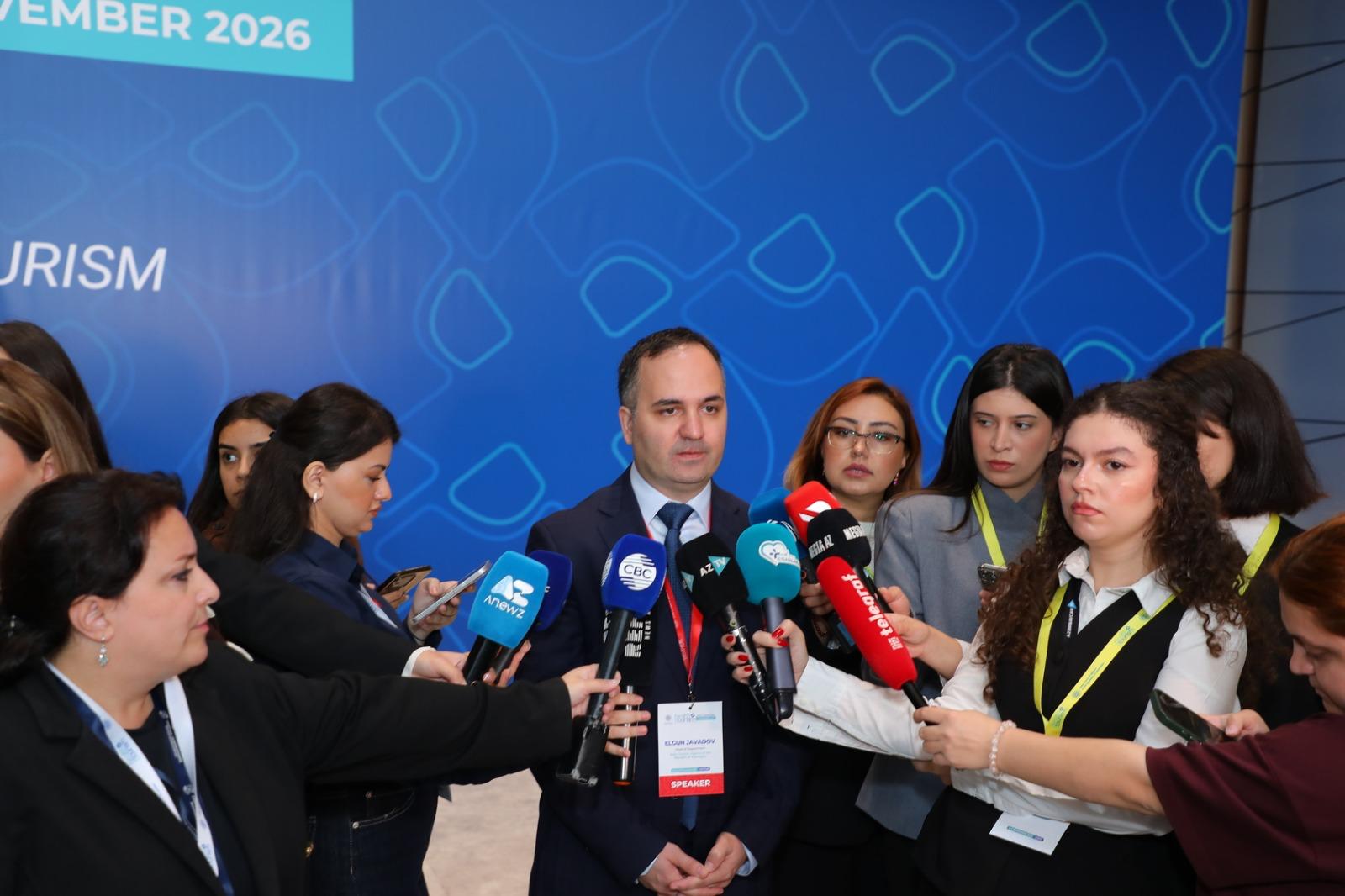
Speaking to journalists at the conference, Elgun Javadov, head of the Cultural Heritage and Regional Tourism Department at the State Tourism Agency, explained that a concept and strategy document would help define Azerbaijan’s positioning and identify the resources required to develop the sector.
Javadov stressed that health tourism could not be developed by a single organisation or sector. The conference, he said, was intended to bring partners together to discuss priorities and apply relevant international experience.
Building patient confidence
International accreditation and the coordination of patient care were recurring themes in the opening discussions. Monish Arora, deputy CEO of Sea Breeze Health Valley, said Azerbaijan already has healthcare capacity, but providers must demonstrate that their services meet international expectations.
He called for clear responsibilities and better support throughout the patient’s journey, from the first enquiry to treatment and follow-up. Alongside accreditation and clinical standards, he highlighted practical requirements such as timely responses, communication in the patient’s language and reliable arrangements for transfers and accommodation.
Michel Julian, senior programme officer at UN Tourism, emphasised that a successful strategy requires a long-term vision and cooperation between healthcare and tourism institutions. Understanding target markets and building a reputation for quality, he said, are central to gaining the confidence of prospective patients.
Julian pointed to market diversification as another consideration, citing South Korea as an example of a destination attracting patients from different countries. Trust and a clear destination image, he argued, need to be built over time.
Measuring medical tourism consistently
The discussions also addressed how Azerbaijan can measure the sector’s development and compare its performance with other destinations. Participants highlighted the difficulties created by inconsistent definitions and data collection methods.
Julian stressed the importance of identifying the traveller’s primary motivation. Travel undertaken principally for treatment, diagnosis or other health purposes needs to be distinguished from healthcare received in other circumstances, including by foreign workers living in a destination.
Countries can combine sources such as hospital surveys, visa information and data collected by tourism authorities and statistical institutions, he explained. Using consistent definitions helps avoid double counting and makes international comparisons more meaningful.
Connecting medical care and wellness
While the opening day focused on medical tourism, the conference also examines opportunities in wellness, prevention and rehabilitation. Azerbaijan’s offer includes mineral and thermal waters, therapeutic muds, resort facilities and Naftalan oil, which has a long history of use in local treatment traditions.
The country has also been developing links with European health tourism organisations. Earlier in 2026, the Azerbaijan Tourism Board joined the European Spas Association as an advisory member during the HEALTHXCHANGE Summit in Varna.