


It’s time to leave the Airbnb and there’s half-an-hour before you need to be at the station, but when you check the terms of your stay, you realise you need to strip the beds, put the laundry on, do the recycling, take the bins out, put the dishwasher on, and sweep the floors. Not exactly a pleasant end to your holiday.
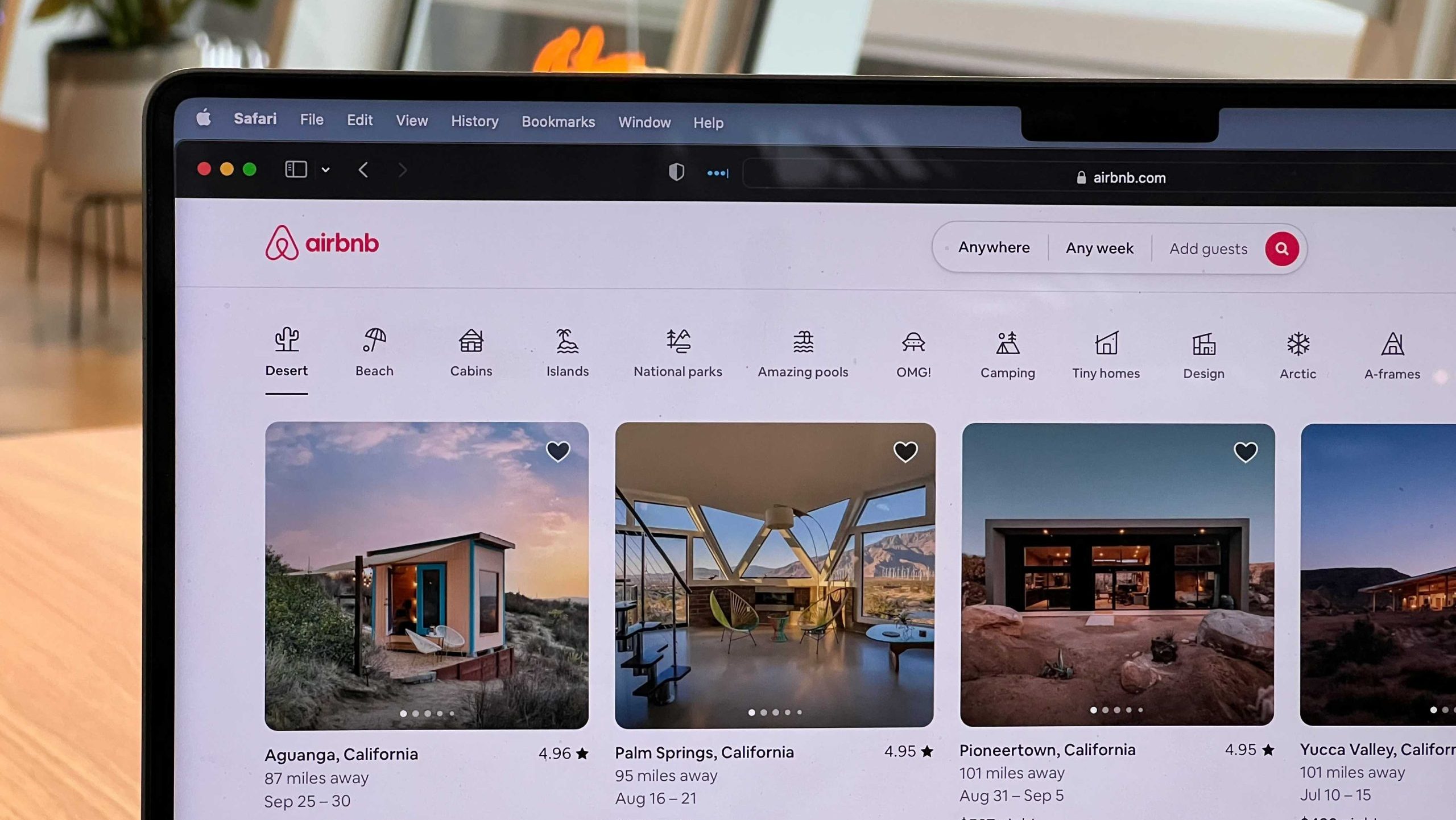
Airbnb is calling time on guests being obliged to perform check-out chores that “take significant effort or would typically be performed by a cleaner” in a further step towards the “hotelification” of Airbnb stays.
The short-term letting giant has updated its community policy, specifying that guests should only be asked to do a limited set of household chores and should not have to perform end-of-stay tasks such as “stripping the bed, taking trash offsite, or washing and putting away dishes.”
In a statement, an Airbnb spokesperson explained: “House rules help guests understand what hosts expect, but we’ve heard from our community that they can be confusing, onerous, and hard to manage. So, we’ve redesigned them to make them easier to discover and clearer to set, alongside a new policy that keeps requests reasonable, with no surprises.”
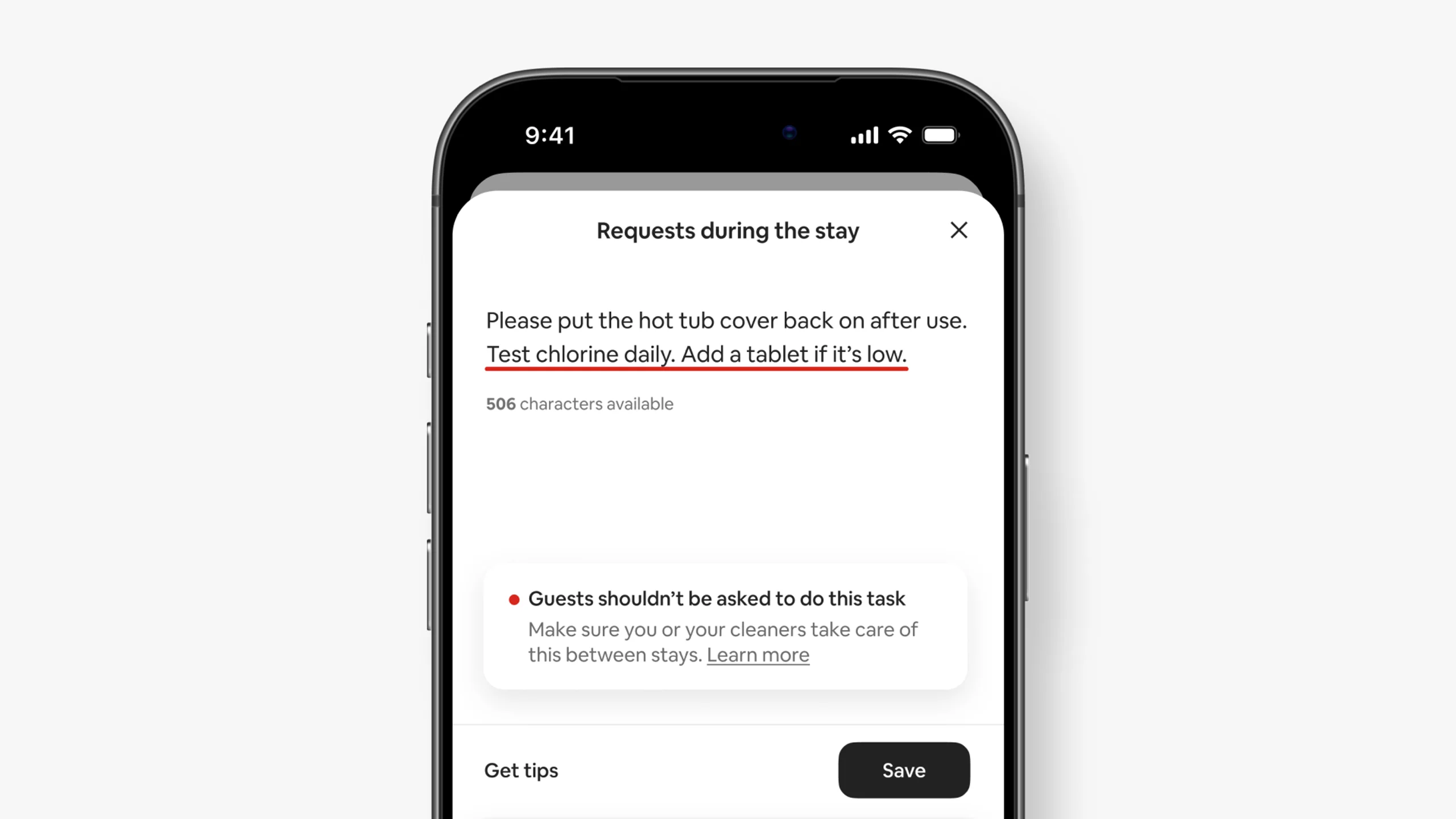
Under the guidance, hosts cannot impose fines for unperformed check-out chores, and Airbnb says it will challenge any guest obligations that are not in the spirit of the policy. What’s more any set “cleaning fees” can only cover a standard tidy up between bookings.
Hosts will be able to appeal the rules if there are particularly good reasons for imposing a tidying rule. Examples could include the property being located in back country, where leaving trash out in the open can attract bears and pose a threat to wildlife, neighbours, owners, and passersby.
To avoid guests experiencing any uncertainty about what the expectations are, house rules must from now on be clearly visible on the listing page, as well as in the trips tab, and in all reservation reminders. They can include up to seven standard conditions, on the following: check-in and check-out hours, and any set “quiet” times, how many guests or pets are permitted in the property, smoking, and commercial use of imagery and film.
For guests, the improved clarity on what they can be asked to do at the end of a break is likely to bring some relief, especially for anyone with mobility issues, young children, or particularly tight schedules, for whom some tasks could represent a burden.
Meanwhile, for some hosts, the new guidance comes as a surprise. One Airbnber who has been renting out her UK family home occasionally for nearly two decades, as well as going on breaks in other Airbnbs, told Travel Tomorrow she had not yet been officially informed of the change. Her own list of end-of-stay tasks is published in the house guide she has written, which she does not think is visible to guests before they book. It includes “stripping the beds, putting used linen in the bath, and leaving the home as they found it” which she said she does not consider “unreasonable, especially as they are clearly staying in someone’s home and not a professional hospitality environment.” She added that her expectations are no more onerous than any house rules she has experienced elsewhere. She also noted that she had never had any complaints and always receives highly complimentary reviews about the “relaxed, trusting, home-from-home atmosphere” her property offers.
Yet, that view of Airbnb as providing a “home-from-home” seems increasingly under threat. After its emergence as a start-up “disruptor” to the traditional hospitality model in 2008, the latest development brings Airbnb further in line with classic competitors such as hotels and guest houses. It comes as local authorities and entities such as the European Union continue to review and tighten legislation about how short-term lets are governed, in a bid to protect both regional housing markets and the wider hospitality sector.