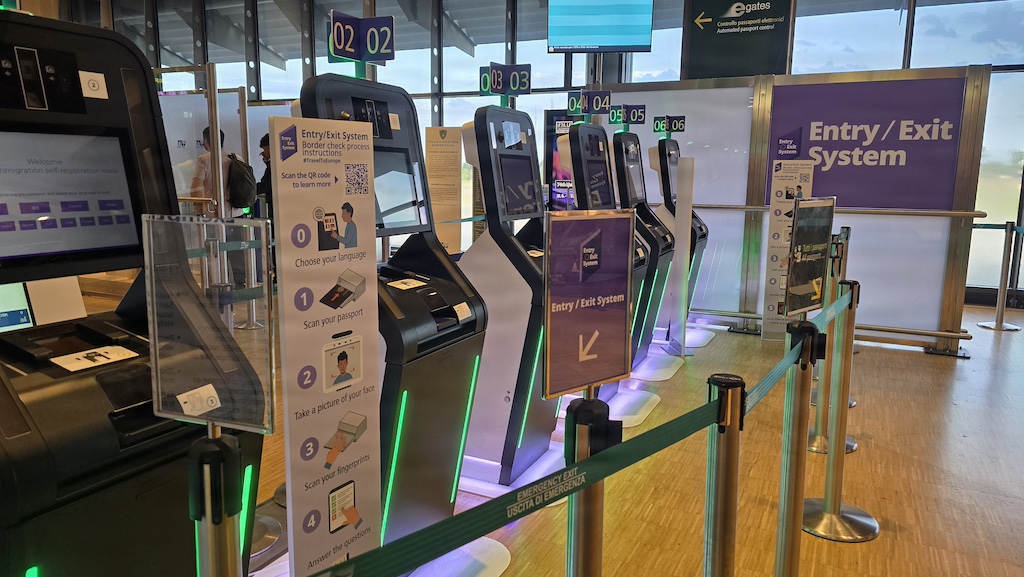



Calls for changes to Europe’s Entry/Exit System (EES) are multiplying, with ABTA, the United Kingdom’s biggest travel trade association, adding its concerns to pressure already raised by airlines.
ABTA said that the biometric registration system, which was rolled out from October 2026 and is still causing delays and crowding at border checkpoints, required more work to become “stable and efficient” before it is fully implemented.
The group acknowledged that the 2,000 travellers questioned in its recent travel habits survey, “aren’t seeing significant delays” due to EES, and only six percent said the EES process had made them much less likely to travel to the EU.
But Abta’s director of public affairs Luke Petherbridge noted less than half the European travel consumers interviewed had been through the system, and warned “we don’t want to see people being deterred. TTG Media has reported him urging the EU to continue the “pragmatic approach” applied so far, adding, “if that means extending contingency measures into next year, then that should happen.”
Next steps identified by Petherbridge in remarks to The Independent “include better triaging of travellers who are already registered and enhancements of the app to enable some checks to be performed prior to arrival.”
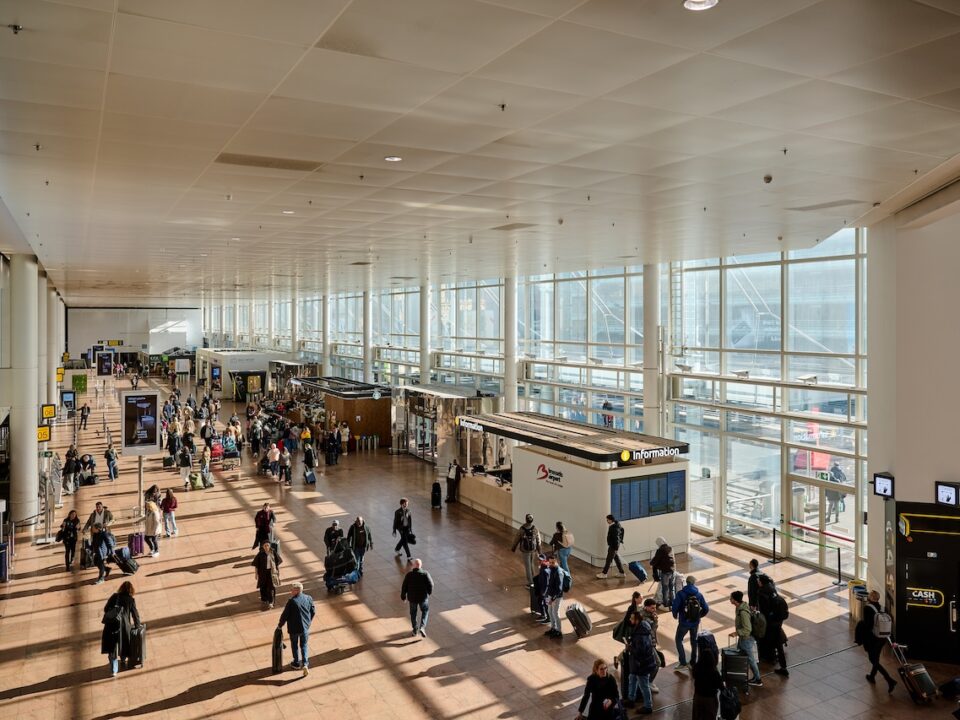
Confirmed lists of airports where EES has been suspended to ease operational issues are yet to be issued, but hubs across the Schengen bloc such as Lisbon, Milan, and Brussels, are known to have experienced severe problems and to have adapted protocols to cope. Greece went as far as unilaterally suspending EES for UK arrivals to protect its travel sector. France, the Netherlands, Germany, Malta, Portugal, and Switzerland are also reported by The Times to have been interrupting EES processes beyond the supposed final rollout date, to boost “fluidity.”
The negative effects on airport and airline operations, and on passengers, continue, as underlined in a joint statement from ACI Europe and Airlines for Europe (A4E) just a few days ago. The aviation bodies proposed a six-point action plan to address the “hardships” being inflicted on travellers.
Those anti-EES sentiments have been further amplified by airlines themselves. Europe’s biggest airline by passenger numbers, Ryanair, has said the ability to temporarily suspend EES should go on into 2027.
Meanwhile, EU Migration Commissioner Magnus Brunner, speaking to Politico has emphasised the 230 million entries and exits recorded so far by EES, as well as 80,000 refused arrivals (2,000 due to security concerns, and insisted there would be no more room for flexibility, as members states had “had enough time” to prepare for the system.