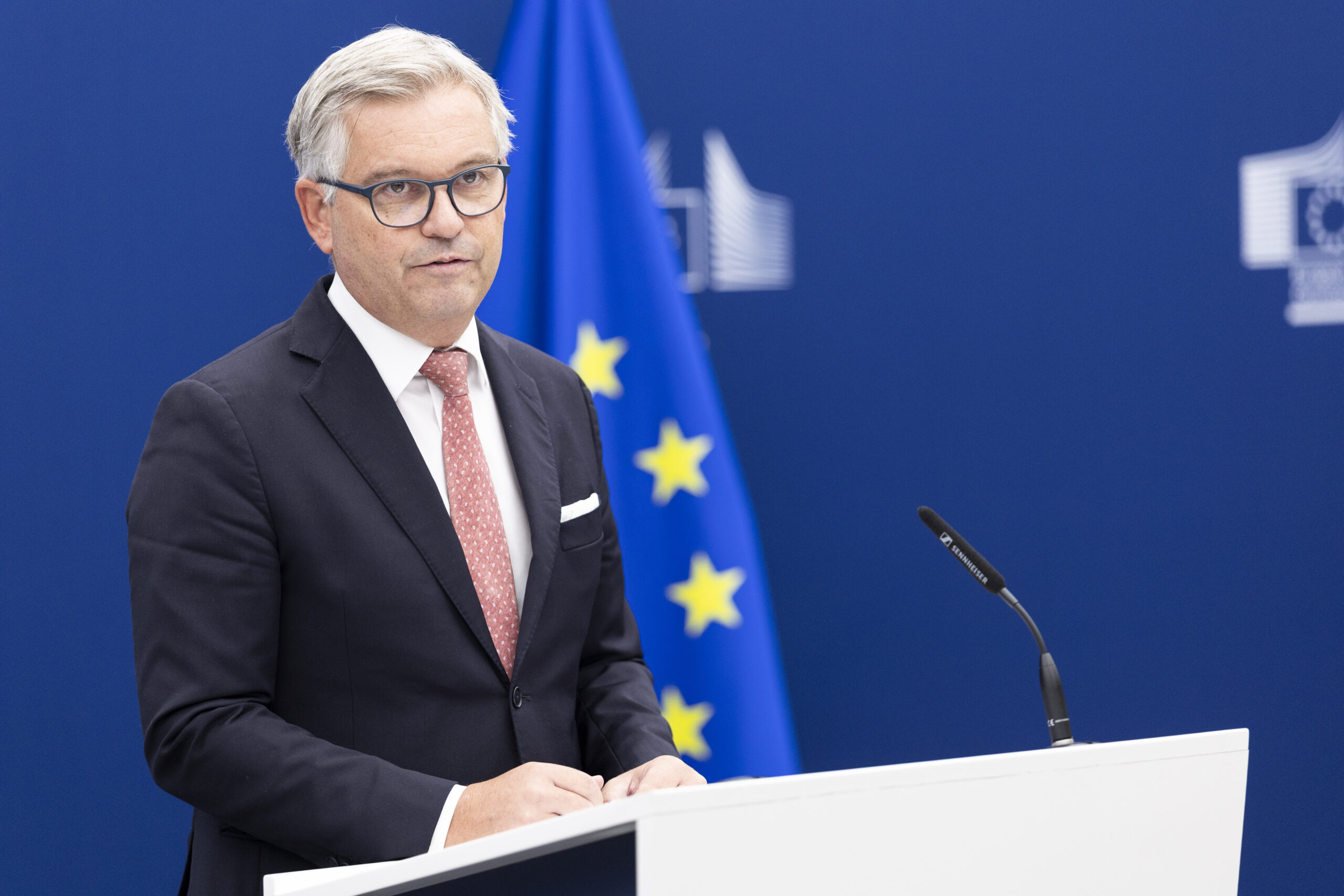



The European Commissioner for Internal Affairs and Migration, Magnus Brunner, says national authorities have had ample time to prepare for the EU’s digital border controls, as severe delays at Brussels Airport draw increasing scrutiny ahead of the festive travel rush.
Brunner urged Belgium and other EU Member States to make the Entry/Exit System (EES) work reliably before the Christmas peak, after passengers at Brussels Airport faced passport-control waits of up to five hours. Speaking to POLITICO, Brunner placed responsibility for day-to-day delivery on national authorities and airports. “Member states had enough time to prepare themselves for this system,” he said, adding: “It’s a security issue. It has to work … it’s up to the member states to do their job.”
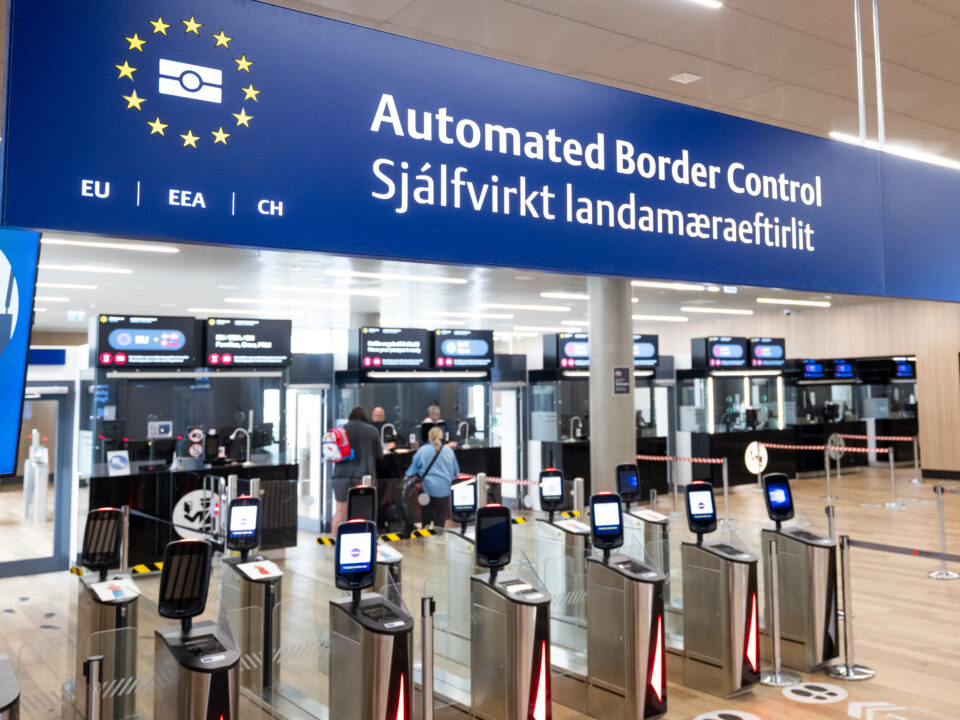
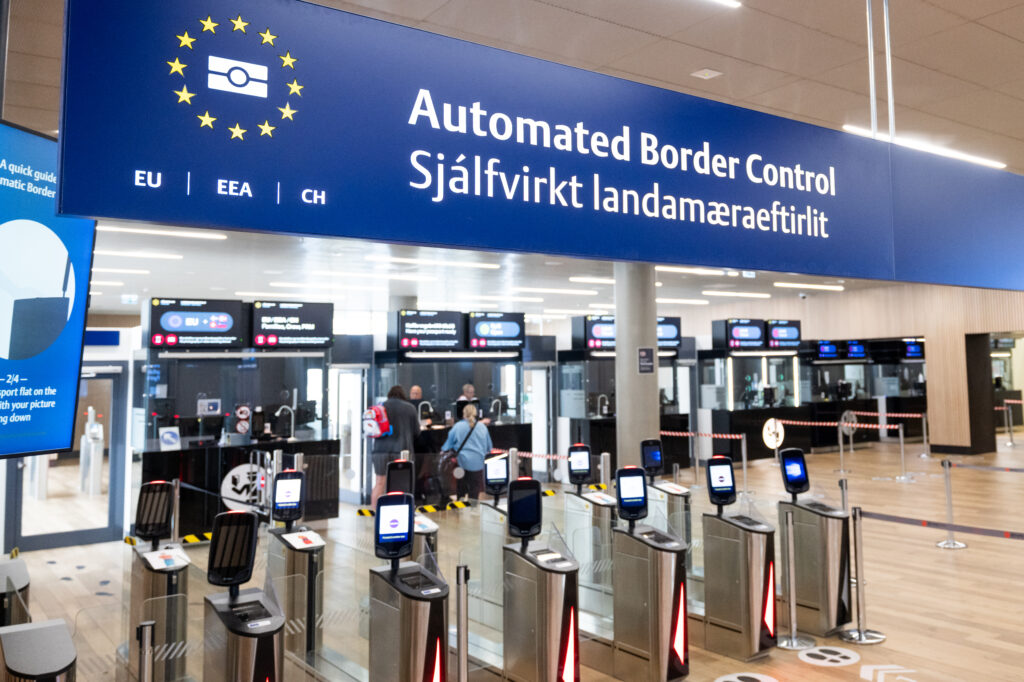
The EES records fingerprints and facial images from non-EU travellers entering the Schengen area. Although Brunner described some countries as being “a bit behind,” he highlighted Brussels Airport as one of several locations where implementation remains problematic. He nevertheless said he was “very confident” that the difficulties could be resolved before the next holiday surge, noting that the European Commission has offered both funding and support from the EU border agency Frontex.
Meanwhile, Belgian Interior Minister Bernard Quintin’s office has pushed back against the criticism. It said police were fully staffing all 12 arrivals-control positions, but argued that the airport’s facilities could handle only about 500 to 600 non-Schengen passengers per hour. On busy mornings, close to 3,500 such passengers may arrive between 6:00 am and 10:00 am, leaving the current set-up unable to absorb demand.
Brussels Airport did not directly respond to Brunner or Quintin. In a statement reported by POLITICO, it said “all parties involved” were working on remedies. Measures under consideration or testing include new automated gates, pre-registration kiosks, extra police training and further infrastructure.
Opnieuw chaos op #BrusselsAirport vanochtend, nu voor de transferpassagiers. De rijen aan de paspoortcontrole slingeren door de hele terminal. Tientallen gezinnen missen hun aansluitende vlucht. Onaanvaardbaar: hier is dringend een structurele oplossing nodig. https://t.co/TpNK0HqzrC
— Michael Freilich, MP (@MichaelFreilich) September 24, 2026
For passengers arriving from outside Schengen, the dispute highlights the risk of slow border processes when kiosks, staffed booths, and police capacity are insufficient. At Brussels Airport, revised procedures have required some travellers—including visitors from the United States—to proceed to a staffed desk after registering at a kiosk, adding pressure at peak times.
Airport and airline groups are also pressing for operational changes. ACI EUROPE and Airlines for Europe have called for better biometric processing, broader use of automated controls and the option to pause biometric enrolment when congestion becomes excessive. Their increasingly impatient warnings note that persistent delays lead to missed flights and connections, placing unnecessary “hardship” on travellers.
Brunner’s message to Member States is therefore as operational as it is political: the EU has supplied a common security system, but, to his mind, national governments and border operators must provide the staffing, equipment and contingency planning needed to keep passengers moving. The summer has seen chaos at airports around the bloc, including Lisbon and Milan. Now, with Christmas traffic approaching, Brussels Airport has become one of the most visible tests of whether that division of responsibility can deliver a smoother journey.