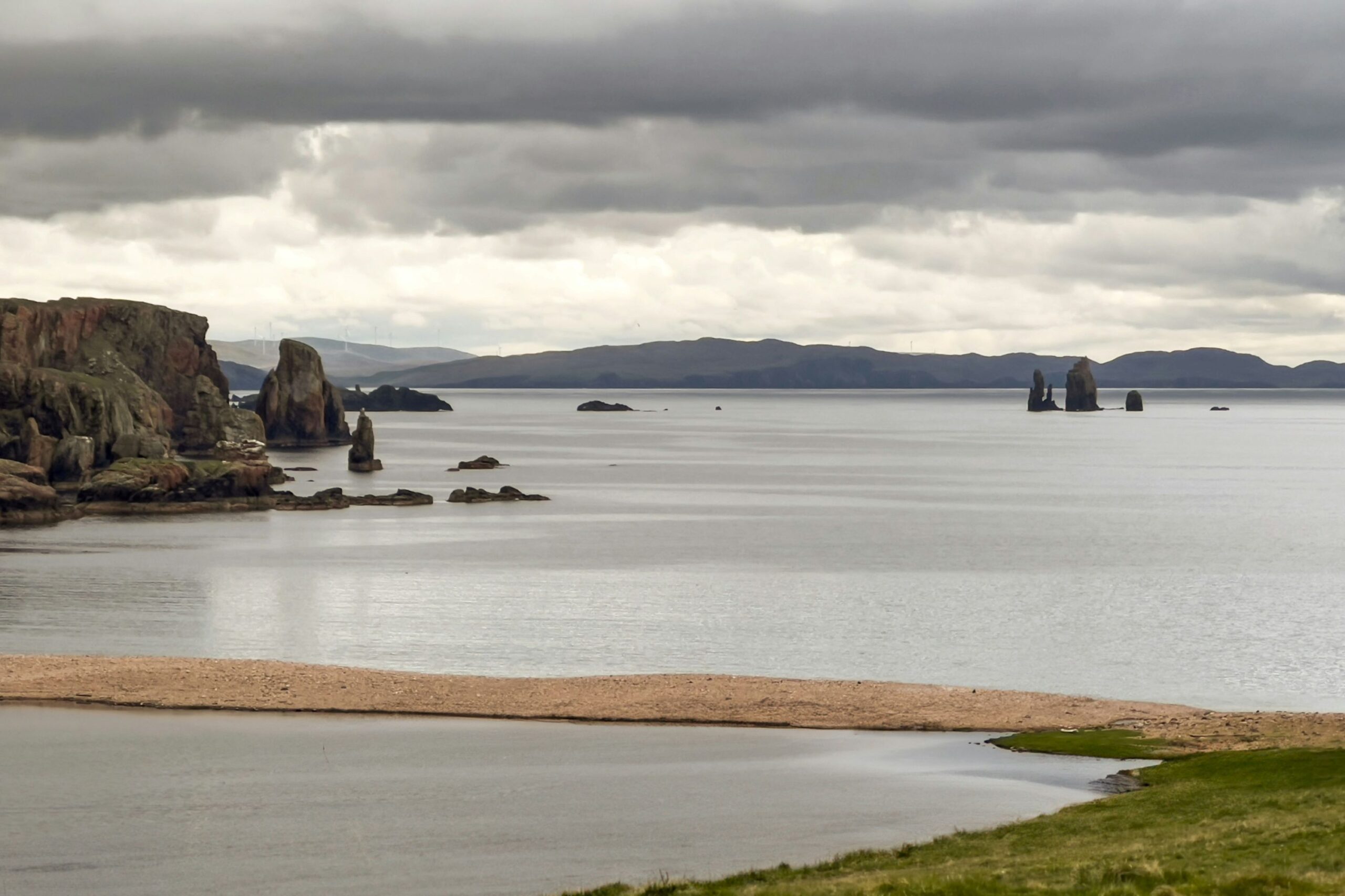


An entire Scottish island has gone on sale for £350,000 (€414,000), offering a retreat for buyers prepared to live with few modern comforts. Hildasay lies off the west coast of Shetland, the island group north of mainland Scotland. It covers around 108 hectares and comes with a traditional stone building and its own small pier. Access is only possible by boat from neighbouring islands or Shetland’s mainland. While the sale offers plenty of space and sea views, prospective owners would need to consider the practical demands of life away from mainland services.
The accommodation is a bothy, a simple cottage or shelter, with a living area heated by a solid-fuel stove. Inside, there is a raised, open-plan sleeping area and a separate bathroom with a shower, wash basin and toilet facilities. However, the building has no connection to mains electricity. According to the estate agent managing the sale, previous owners used a small wind turbine and diesel generator, but buyers would need to arrange their own power supply. Anyone hoping to upgrade the accommodation would also need the necessary planning permission and other approvals.
Beyond the building, Hildasay has a rugged coastline, two freshwater lochs, the Scottish term for lakes, and gently rising ground. Its highest point reaches approximately 32 metres, with views across the surrounding sea and islands. Birdlife changes with the seasons, while the shores also offer opportunities to observe coastal and marine wildlife. “Its scale and unspoilt character create a genuine sense of escape, with open landscapes and uninterrupted views across the surrounding waters,” said a spokesperson for Kelvin Anderson estate agents. The landscape is a central part of the island’s appeal, with its open spaces contrasting with the modest accommodation.
Hildasay was once home to a small working community, with around 30 residents recorded in 1891. Granite quarrying and herring curing, the process of preserving fish with salt, were important local industries. Workers extracted the island’s distinctive red-green granite and transported it to the harbour along a purpose-built railway. According to the estate agent, the stone was shipped to destinations reportedly as far away as Australia. Large abandoned granite blocks and traces of the railway remain visible, showing how different the island’s landscape would have looked when these industries were active.
More recently, Hildasay became known through the story of Chris Lewis, who was walking the UK coastline when the pandemic interrupted his journey. He had been staying in a tent on Shetland’s mainland when lockdown restrictions began. Lewis was given permission to move into the island’s accommodation with his dog Jet and spent around three months there. His stay later featured in his book, Finding Hildasay: How One Man Walked the UK’s Coastline and Found Hope and Happiness. The book brought wider attention to an island that had long lost its permanent community.
Hildasay follows other Scottish islands previously advertised for sale, although the facilities included have varied considerably. In 2022, Pladda was listed for €350,000, with a five-bedroom house, a helipad and a lighthouse dating from the 1790s. Its accommodation nevertheless needed renovation before it could be lived in again. A year earlier, Càrn Deas in the Summer Isles was advertised from €59,000, but had no housing, water supply or electricity. Both listings illustrate why an island’s asking price tells only part of the story about what a buyer would take on.