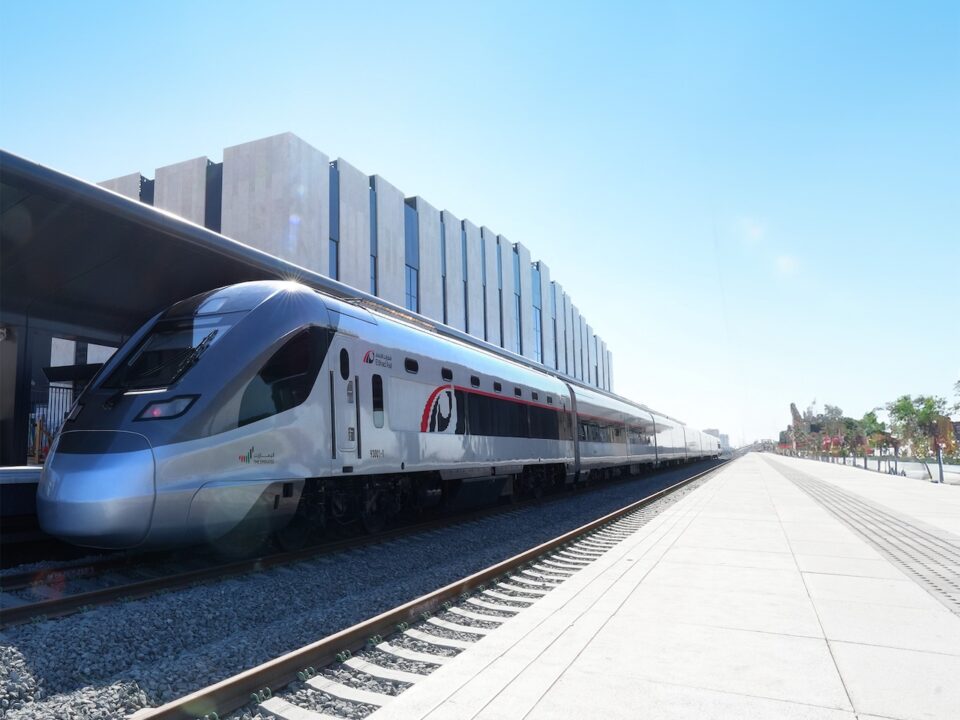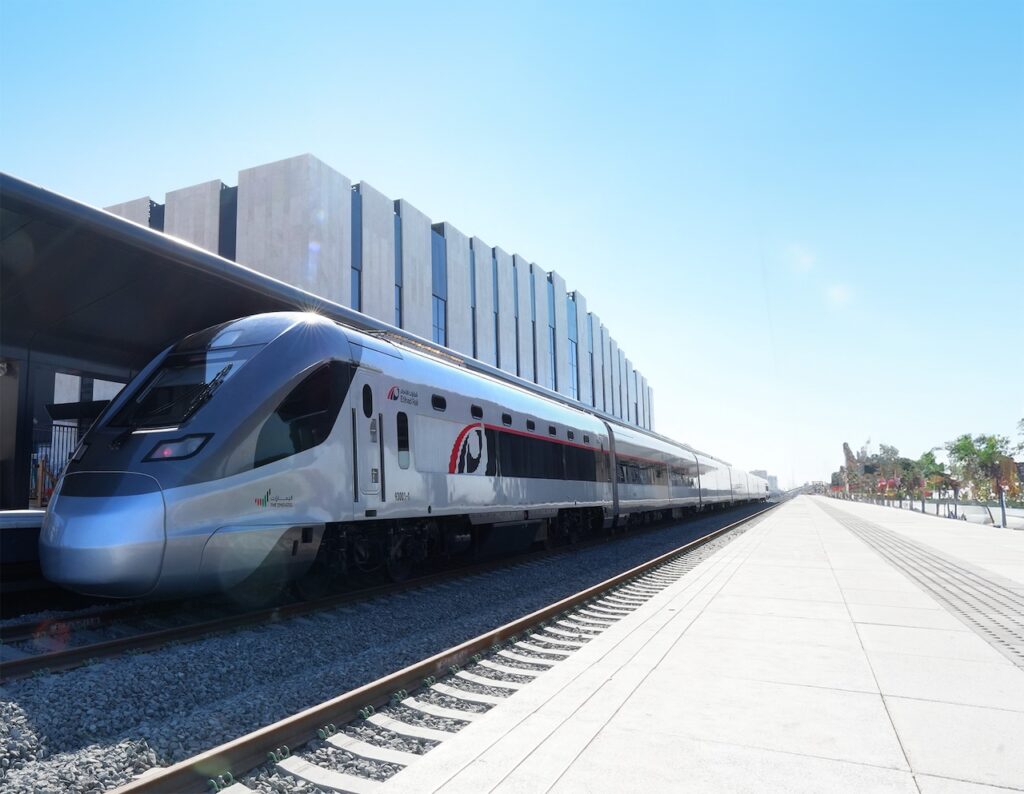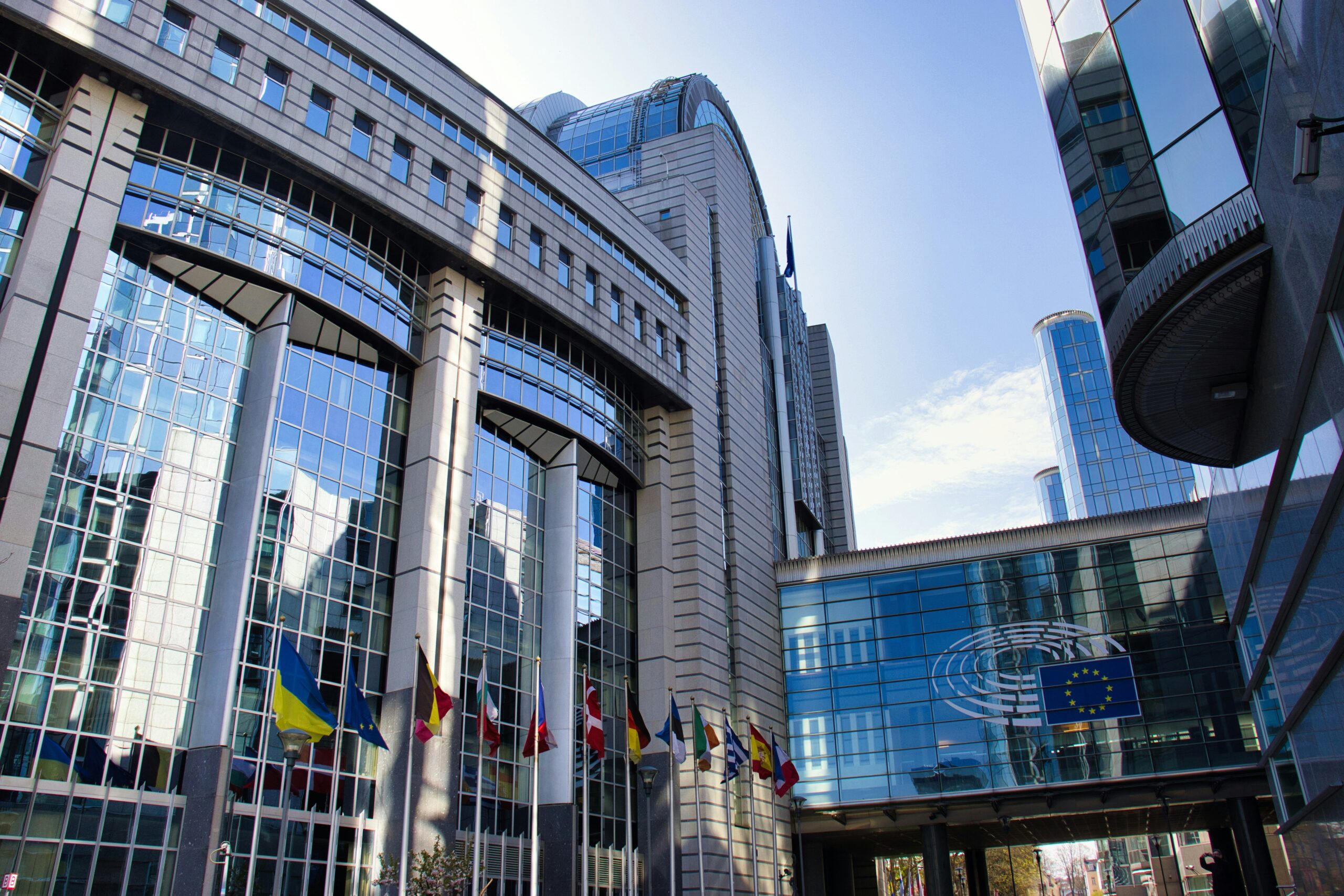



The European Parliament’s Transport and Tourism Committee has called for faster development of Europe’s high-speed rail network, urging dedicated EU funding, better connections between regions and more affordable tickets.
Recommendations adopted on Monday evening, 5 October, received 34 votes in favour, none against and seven abstentions. They follow the European Commission’s High-Speed Rail Action Plan, presented in November 2025, which aims to deliver a faster, better-connected European network by 2040.
MEPs describe high-speed rail as a strategic asset for the EU’s competitiveness, territorial cohesion and climate objectives. Their recommendations focus on creating a network that works across borders, connects with other forms of transport and delivers value for passengers and public investment.
The newly launched high-speed rail plan is not just about cutting travel times, it’s about uniting Europeans. 🧑🤝🧑 The plan seeks to harmonise a truly interoperable European high-speed rail network. 👉 Find out more: https://t.co/wDhOxLCGPn #EUTransport #ConnectingEurope #TEN_T https://t.co/OV4imgkMDc
— EU Transport (@Transport_EU) November 26, 2025
Connecting regions, not just capitals
The committee advocates a “network-first” approach, integrating high-speed infrastructure with regional rail, urban public transport, walking and cycling routes, and major transport hubs.
Rather than concentrating solely on links between EU capitals, MEPs want the network to serve major cities across Europe’s regions and key neighbouring countries. Access could come through direct high-speed services or effective connections to the wider network.
The aim is to improve connectivity in peripheral and less-developed regions while reducing territorial disparities. The report also calls for completion of the trans-European transport network, known as TEN-T, and identification of missing links, abandoned or underserved sections, and valuable cross-border connections.
As previously reported by Travel Tomorrow, the Commission’s plan could transform five major European rail routes, including connections between Berlin and Copenhagen and Lisbon and Madrid.

Dedicated funding for expansion
MEPs want existing and future EU funds used more effectively to support high-speed rail development. They call for adequate, dedicated funding in the EU’s next long-term budget, covering 2028–2034.
Their recommendations include preserving and strengthening the Connecting Europe Facility, alongside support for investments promoting economic, social and territorial cohesion through National and Regional Partnership Plans.
More than €100 billion from EU programmes has been allocated to rail infrastructure projects since 2014, according to the Parliament’s press release. However, Europe’s major railway tunnel projects illustrate the scale of the infrastructure work and delivery challenges involved.
More affordable fares and clearer ticketing
The committee also urges governments and railway operators to make high-speed travel more affordable through accessible fares, reduced-fare schemes and subscriptions. Lower and more predictable prices could attract additional passengers and encourage a shift towards rail.
MEPs want greater transparency in ticket pricing and welcome ongoing legislative work on the Commission’s Passenger Package to support more compatible European ticketing systems.
The recommendations build on efforts to simplify international journeys, including proposals for unified European rail booking.
The committee vote does not constitute final parliamentary approval. The non-binding resolution will now go before the full European Parliament during its second October plenary session.