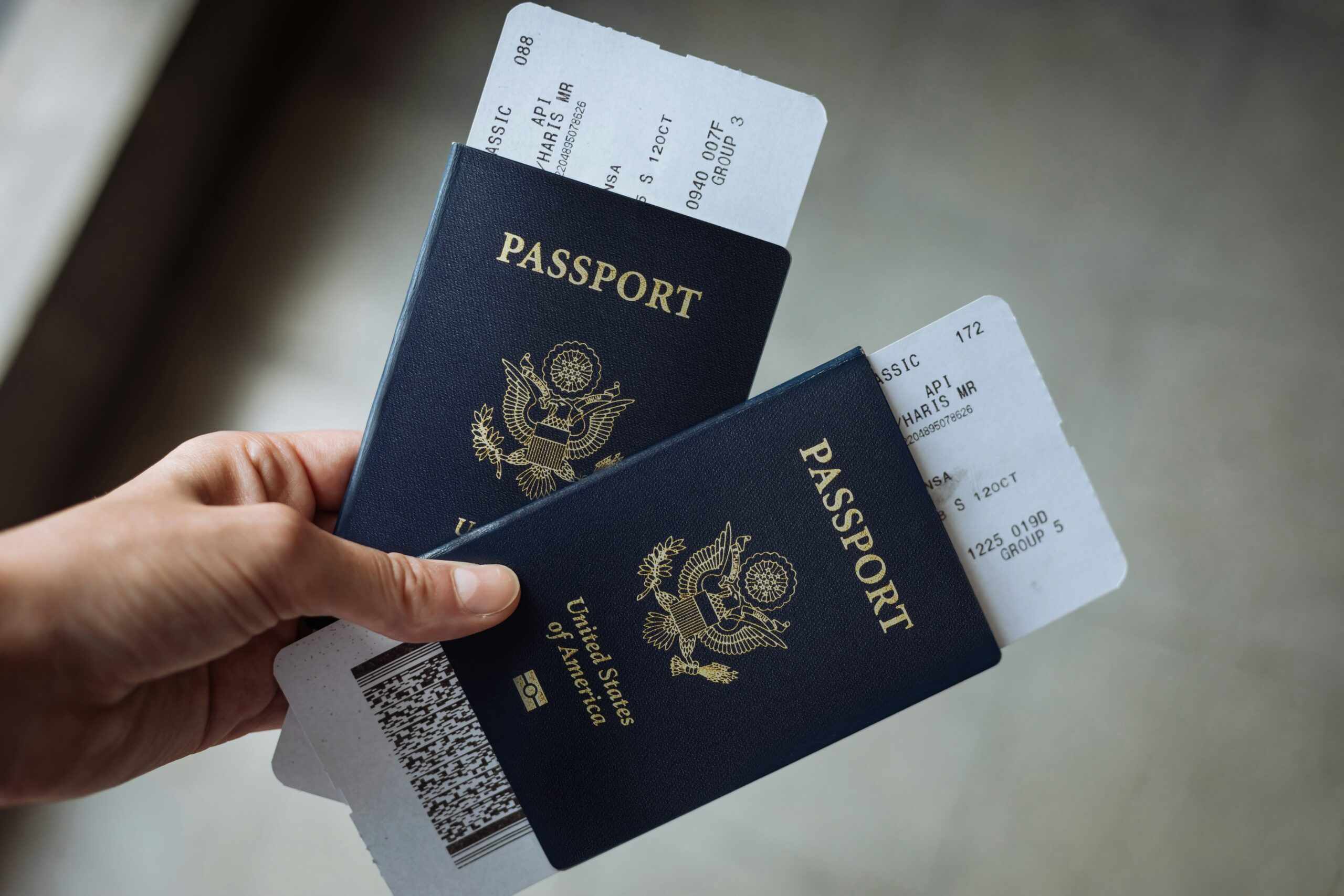



The United States passport will see a refresh in 2028, along with changes to the way citizens apply for the document, intended to remove paperwork and printing and take the process online. The update follows hot on the heels of a recent version introduced in 2021, with the speed of a second passport rollout within a decade a sign of rapid innovations in terms of national security technologies.
Secretary of State Marco Rubio revealed at Trump’s late September America.gov event that under the new scheme, passport applications would be completed “entirely from home” via the single digital point of entry for US government services.
Passport applicants will be able to log in through login.gov, take their own passport photo to upload to the site, pay securely online, and digitally monitor their application’s status in real time, meaning there would be “No printing forms, no drugstore hostage photo, no appointment, no line, no middleman,” Rubio said.
In addition to the change to the application process, the eventual document itself will see a makeover too, with what officials are calling a “uniquely American” design celebrating American history and identity. On the cover, the American eagle features prominently, as an “emblem of American strength and freedom.” The Great Seal is set to become “more gold”, and the phrase “United States of America” will be more noticeable too.
The passport pages inside the cover will commemorate major events from US history, including the settlers’ migration west, the American Revolution, the World War II battle of Iwo Jima, and NASA’s Artemis missions. When flicked, the pages will provide a visual illusion of the American eagle in flight.
New passport coming to all Americans! WTG @ndstudio!! pic.twitter.com/Eeb6eGLRAH
— Drew Wilson (@drewwilson) September 29, 2026
But for citizens, the passport’s reworked appearance is likely to make less impact than the new digital application process that will precede getting their hands on one. Being able to apply from home, in a country where roughly 17.7 million Americans live entirely outside metropolitan zones and lack transit or easy access to major regional or federal offices within a 30-minute window, will be a gamechanger for many.
For the travel industry, the potential removal of friction at the start of the customer journey is the big story too. Easier applications and clearer tracking could help more Americans secure passports, boosting international trip booking and reducing last-minute cancellations caused by document delays.
Airlines, tour operators and travel advisers may also spend less time explaining application logistics, although they will still need to remind customers about validity rules and destination-specific entry requirements. The benefits will depend on a coherent rollout, strong data protection, and alternatives for travellers who cannot easily use the online service.