

Azerbaijan is preparing to strengthen its tourism links with Europe, with a new Brussels–Baku air connection opening another route into a market that remains a priority for the country, according to Florian Sengstschmid, CEO of the Azerbaijan Tourism Board.
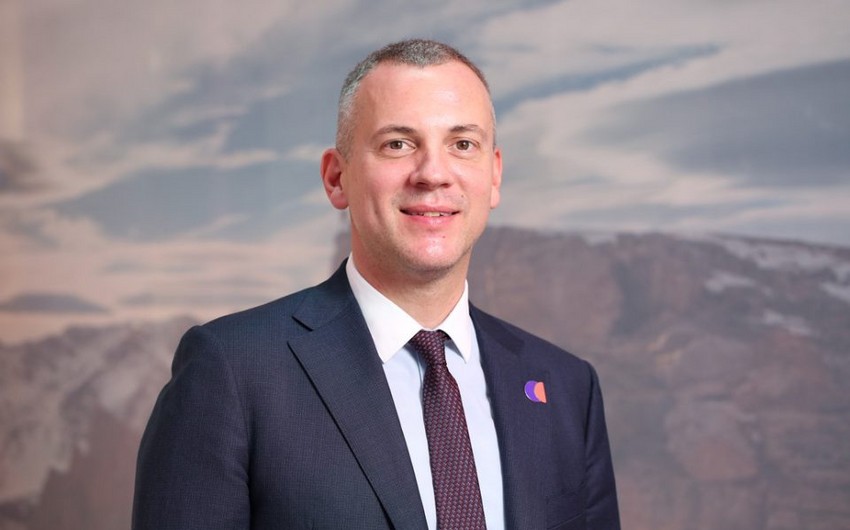
Speaking to Travel Tomorrow in an exclusive interview in Brussels, Sengstschmid, who has led the Azerbaijan Tourism Board since 2018, discussed the opportunities created by better connectivity, efforts to attract European travellers and the potential for tourism itineraries spanning several South Caucasus countries.
“Europe always has been a priority,” he said. However, building awareness and attracting visitors requires sustained engagement in a competitive market.
Four weekly flights from Brussels
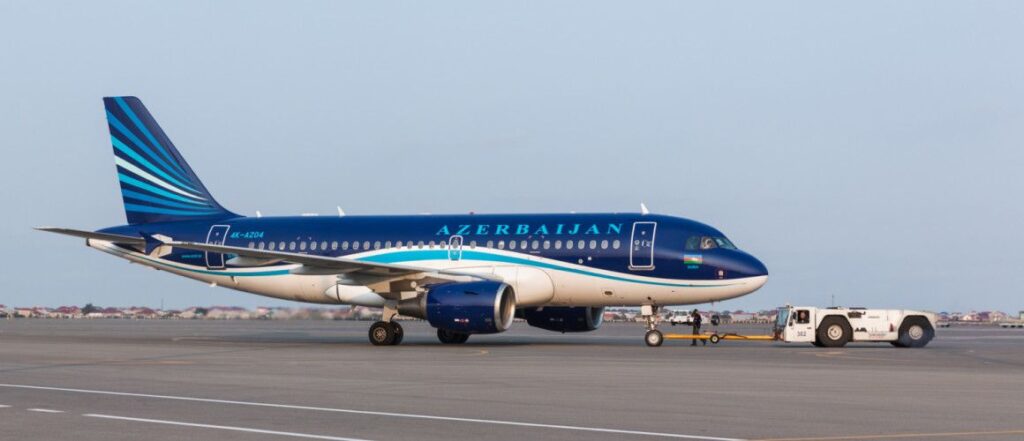
As reported by Travel Tomorrow, Azerbaijan Airlines plans to launch four weekly flights between Baku and Brussels from 8 May 2027, operating on Mondays, Wednesdays, Thursdays and Saturdays.
For Sengstschmid, the Belgian connection forms part of a wider effort to make Azerbaijan easier to reach from European markets.
“Brussels is another chapter,” he said, pointing to the country’s connections with other European cities.
Yet flights alone cannot build a destination’s appeal. Sengstschmid argued that European travellers and tourism partners need a clearer understanding of Azerbaijan’s culture, history and identity.
Selling the destination involves explaining “what is Azerbaijan, what is the reality, what is people, what is the culture”, he said. That process takes time, particularly when established European destinations already compete strongly for visitors.
Connectivity remains a bottleneck
“What is important is the bottlenecks: connectivity and accessibility,” Sengstschmid said.
He explained that expanding air services also involves the regulatory framework governing international aviation. Bilateral agreements remain relevant to the development of routes, and he highlighted the interaction between passenger and cargo traffic rights as a consideration.
From the tourism board’s perspective, improving access is central to growth. A destination may have a varied offer, but turning interest into bookings depends partly on how easily visitors can get there.
The Brussels route therefore represents a practical opportunity to develop tourism links alongside the business and cultural exchanges that direct flights can support.
European stories across Azerbaijan
Sengstschmid also challenged the idea that Azerbaijan should be understood only through its position between larger neighbouring powers. He described a country with historical European connections that visitors can encounter through architecture, industrial heritage and former German settlements.
He pointed to the legacy of European architects in Baku, the activities of the Nobel and Siemens families, and German influences on the country’s wine industry.
Travelling across Azerbaijan, he said, reveals European stories “in crafts”, “in culture”, “in religion” and “a lot in architecture”.
These connections, in his view, offer familiar reference points for European visitors while introducing them to a distinct destination. He also highlighted the country’s religious diversity, describing Muslim, Christian and Jewish heritage as part of its tourism appeal.

From Formula 1 to health tourism
Azerbaijan’s European outreach sits alongside efforts to attract visitors through major events and specialised tourism experiences.
Baku’s 10 years of Formula 1 provided one recent opportunity. As Travel Tomorrow reported, Azerbaijan introduced a temporary visa-on-arrival arrangement for race ticket holders and accredited personnel, which ended on 30 September 2026. The initiative sought to facilitate visits and encourage fans to explore beyond the race weekend.
In the interview, Sengstschmid described major events as a way for international audiences to see visitors enjoying Baku, helping shape perceptions of the destination through the experience itself.
Meanwhile, health tourism has been incorporated into Azerbaijan’s State Programme on the Development of Tourism for 2026–2030. Plans include a dedicated strategy and action plan, international accreditation for medical tourism facilities and an annual Health Tourism Conference. The Azerbaijan Tourism Board has also joined the European Spas Association as an advisory member, strengthening links with European sector specialists.
A wider South Caucasus itinerary
Looking further ahead, Sengstschmid sees potential for visitors to explore several South Caucasus countries within one journey, particularly travellers arriving from Asia or the Americas.
Drawing on his Austrian background, he compared that possibility with the established Vienna–Prague–Budapest itinerary, which allows visitors to experience several Central European capitals in one trip.
He envisages a similar appeal in the South Caucasus, subject to the resolution of border issues and the conditions needed for easier regional travel.
For Azerbaijan, the opportunity is to combine improved access with a stronger understanding of what the country offers. The forthcoming Brussels connection adds another entry point, while culture, heritage, events and health tourism provide reasons to explore further.